The Proactive Driver’s Guide To Brake Maintenance
Key Takeaways
Brake cleaner plays a crucial role in safeguarding vehicle performance, mitigating the risk of reduced effectiveness and heightened wear in the braking system.
It efficiently eliminates contaminants like grease and moisture that can hinder braking efficiency, an aspect particularly vital for high-performance vehicles.
A typical misconception is that a simple wash can do the trick, but in reality, brake cleaner dissolves grime that water simply can’t tackle.
Regular application of brake cleaner not only boosts brake responsiveness and minimizes lag time during braking but also extends the lifespan of vital components such as pads and rotors.
By investing in brake cleaner applications, clients can avert costly repairs while protecting against wear and rust over the long haul.
Correct application involves removing the wheel for better access, utilizing compressed air to eliminate debris, and ensuring all components are dry prior to reassembly.
Safety precautions are paramount when utilizing brake cleaner; maintaining a well-ventilated space, wearing gloves, and ensuring distance from flames can prevent hazardous situations.
Why Brake Cleaner is Essential for Optimal Vehicle Performance
Many vehicle owners operate under the assumption that brakes only need attention when issues arise. However, dismissing the significance of brake cleaner can lead to declining performance and increased wear. Keeping brakes clean is not merely an aesthetic concern; it’s an indispensable part of automotive upkeep.
The Science Behind Brake Cleaner and Engine Efficiency
Diving into the chemistry behind brake cleaner reveals its importance. Specifically, it’s engineered to wash away contaminants like grease, oil, and moisture that can build up and impair braking efficiency. These pollutants create friction, which can hamper the braking system’s effectiveness. When components such as rotors and calipers become dirty, the entire system suffers, leading to a sluggish braking response.
This issue is even more pronounced in high-performance vehicles, where split-second reactions matter most. A clear passage for brake fluid ensures hydraulic efficiency. Why is this vital? The ability of a vehicle’s brakes to respond swiftly acts as the first defense against potential accidents.
Common Misconceptions About Brake Cleaner Use
Some might claim that merely washing the brake assembly is sufficient, or that brake cleaner is unnecessary. This viewpoint is misguided. Synthetic brake cleaners effectively dissolve grime that water alone cannot tackle. Furthermore, some believe it’s only necessary for motorsport vehicles, but adopting a proactive strategy typically yields superior results.
- Myth 1: A quick wipe down suffices.
- Myth 2: Only race cars require it.
- Myth 3: It risks damaging components.
By addressing these fallacies, clients can promote longer-lasting brakes and an overall improvement in vehicle performance.
The Top Benefits of Using Brake Cleaner Effectively
Utilizing brake cleaner extends beyond just polishing the braking mechanism – it brings a plethora of advantages that are impossible to overlook. From elevating performance to preventing costly repairs, brake cleaner is undeniably a cornerstone of vehicle maintenance.
How Brake Cleaner Enhances Brake Performance
Simply put: improved responsiveness. Regular use of brake cleaner ensures that every component of the system operates at peak performance. When debris collects, a delay occurs between pressing the pedal and achieving effective braking. Cleaning removes this buildup, enhancing not only immediate braking power but also extending the lifespan of critical components like pads and rotors.
Experienced mechanics consistently point out that a clean braking system operates more effectively, draws less power from the hydraulic system, and thus enhances fuel efficiency. What vehicle owner wouldn’t want a more economical car that’s also safer?
Preventing Costly Repairs with Routine Brake Cleaner Applications
Truth be told, neglect often results in pricey repairs. Typically, clients only recognize issues once considerable damage has occurred. By routinely applying brake cleaner, a protective barrier against wear is established, potentially staving off rust development. It’s not merely an added expense; it represents an investment in durability.
- Reduction in early wear: Ensures parts remain in good condition.
- Lower repair costs: Prevents expensive brake replacements.
- Increased safety: Yields superior braking performance.
Embracing brake cleaner as a regular maintenance tool simplifies the journey toward vehicle longevity and reliability.
Best Practices for Applying Brake Cleaner Like a Pro
Understanding the effective use of brake cleaner can noticeably enhance a vehicle’s performance. Professionals suggest a comprehensive approach to maximize benefits.
The Right Way to Use Brake Cleaner for Maximum Impact
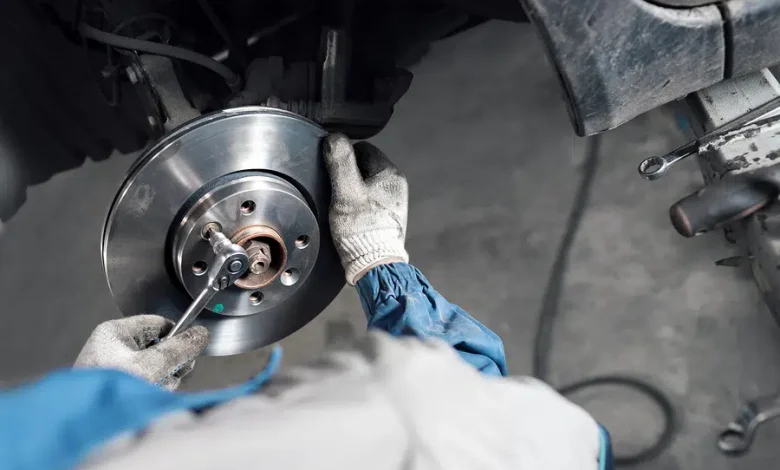
Applying brake cleaner is not a task to be taken lightly. Prior to application, it’s essential to secure the wheels and ensure the vehicle is on a flat surface. Adhere to these steps:
- Remove the wheel for improved access.
- Remove loose debris with compressed air.
- Generously spray brake cleaner onto calipers, pads, and rotors.
- Allow it to settle for about a minute, then wipe down with a clean cloth.
Ensuring all components are dry before reassembling is crucial. This helps to minimize moisture retention, which could lead to potential future complications.
Safety Tips Every Vehicle Owner Should Know
Safety considerations cannot be overstressed when applying brake cleaner. Professionals understand its flammability and the harmful vapors it can emit. A well-ventilated workspace is imperative. Here are some key safety reminders:
- Wear gloves: Protect skin from harsh chemicals.
- Use eye protection: Shield against potential spray back.
- Keep away from flames: Avoid sources of ignition.
Awareness of these precautions safeguards both the individual and their vehicle.
Real-Life Scenarios: When Brake Cleaner Makes a Difference
Numerous examples illustrate how brake cleaner has positively impacted vehicle performance. Real-life scenarios highlight the effectiveness of this indispensable tool across various contexts.
A Case Study: Improved Brake Response Times
A story from a local auto shop showcases the transformation. One client reported sluggish brake response in their vehicle. After the mechanic conducted a thorough brake cleaner application, eliminating years of buildup, feedback from the client noted a remarkable enhancement in braking responsiveness. These kinds of results showcase how applying the right substance can bring about impressive changes.
“Brake cleaner has transformed my driving experience – navigating corners feels much safer and quicker now.”
How Brake Cleaner Can Save Money Over Time
Looking from a financial perspective, using brake cleaner can lead to substantial savings. For example, engaging in routine maintenance can reduce the necessity for complete brake system replacements by as much as 70%. Accumulated debris increases future repair costs, while consistent cleaning can prolong the lifespan of existing brake systems.
- Cost-effective: Proactive maintenance proves cheaper.
- Prevention over repair: Identify issues early.
- Long-term savings: Makes for better investments in vehicle care.
So, what’s the takeaway? Utilizing brake cleaner is fundamental for maintaining vehicle integrity with a focus on safety and efficiency.
FAQ
What types of vehicles benefit most from brake cleaner?
All vehicles stand to gain from brake cleaner, though high-performance and older models typically exhibit the most significant enhancements owing to their particular needs. Performance cars demand optimal responsiveness, while aged models often struggle with layers of accumulated grime affecting braking effectiveness.
Can brake cleaner be used on other parts of the vehicle?
Definitely. Brake cleaner is useful on several automotive components, including the engine, transmission, and even fuel systems. However, caution is essential – it should not come into contact with painted surfaces as it may lead to damage.
How often should brake cleaner be applied?
Experts suggest applying brake cleaner at least every few months, or more often if the vehicle is subject to harsh driving conditions. Regular maintenance helps ensure contaminants are eliminated before they can significantly impair performance.
Is it safe to use brake cleaner at home?
Yes, using brake cleaner at home is generally safe if the proper precautions are observed. Ensuring sufficient ventilation, donning gloves, and employing protective eyewear can greatly reduce risks related to fumes and chemicals in brake cleaner.
What should be done if brakes feel sluggish after cleaning?
If sluggishness continues after a cleaning, there may be deeper issues at play, such as worn brake pads or concerns with brake fluid levels. Consulting a mechanic might be necessary to identify the underlying problem and restore proper performance.
Are there environmentally friendly alternatives to traditional brake cleaner?
Indeed! Eco-friendly brake cleaning products utilizing biodegradable solvents are now available. These alternatives can effectively clean brake components without the aggressive chemicals found in conventional cleaners, which is ideal for environmentally aware consumers.
What’s the impact of failing to use brake cleaner?
Neglecting brake cleaner often leads to the accumulation of contaminants, which accelerates wear on brake components and ultimately jeopardizes safety. Findings indicate that regular use can significantly boost both braking performance and vehicle lifespans.
How do professionals ensure they are using brake cleaner correctly?
Typically, professionals adhere to a standardized protocol that includes evaluating the vehicle’s condition, safely securing it, and meticulously applying the cleaner to address each component thoroughly. This methodical approach maximizes benefits while prioritizing safety.
Useful Resources
- American Automobile Association (AAA)– Offers various resources for vehicle maintenance and safety.
- National Highway Traffic Safety Administration (NHTSA)– Provides information on vehicle safety standards and maintenance tips.
- Edmunds– A thorough resource for car reviews, buying guides, and maintenance advice.
- AutoTrader– Offers insights and advice on buying and maintaining vehicles.
- Car and Driver– Features articles on car maintenance and performance enhancements.
- The Car Connection– Provides car reviews and maintenance tips tailored for vehicle owners.
- Consumer Reports – Cars– Offers in-depth reviews and safety ratings for various vehicles.
- Mechatronics– Focuses on automotive technology and mechanical maintenance resources.