The Fascinating World Of IR Detectors: Exploring Their Applications And How They Work
1. Introduction to IR Detectors
What are IR detectors and why are they important?
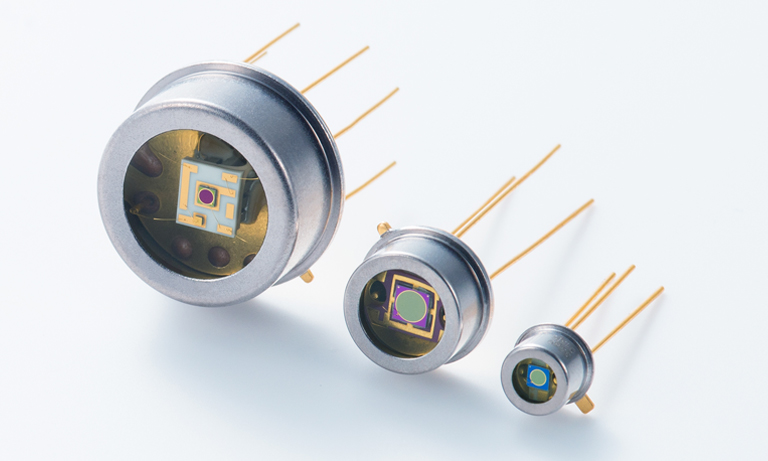
IR detectors, also known as infrared detectors, are devices that are designed to detect and measure infrared radiation. Infrared radiation, or IR, is a type of electromagnetic radiation that lies between the visible and microwave regions of the electromagnetic spectrum. It has wavelengths that are longer than those of visible light, making it invisible to the human eye.
IR detectors are important because they enable us to detect and analyze infrared radiation, which has a wide range of applications in various industries. From home security systems to medical imaging and automotive technology, IR detectors play a crucial role in many aspects of our daily lives.
The history of IR detectors: from discovery to modern applications
The discovery of infrared radiation dates back to the early 19th century when the British astronomer Sir William Herschel conducted experiments using a prism to measure the temperature of different colors of light. He observed that the temperature increased as he moved the thermometer beyond the red end of the visible spectrum, even though there was no light visible to the naked eye.
Over the years, scientists and engineers developed various types of IR detectors, each building upon the discoveries and advancements made by their predecessors. In the 1960s, the development of semiconductor-based infrared detectors revolutionized the field and paved the way for modern applications of IR technology.
The role of IR detectors in various industries
IR detectors have found applications in a wide range of industries, including aerospace, defense, healthcare, and automotive. In the aerospace industry, IR detectors are used in thermal imaging systems to detect heat signatures from objects in space. They are also used in missile guidance systems and weather monitoring equipment.
In the defense sector, IR detectors are crucial for night vision devices and thermal imagers used by the military. These detectors allow soldiers to see clearly in low-light conditions and identify potential threats in the dark.
In the healthcare industry, IR detectors are used in medical imaging techniques such as infrared spectroscopy and thermal imaging. These techniques can help detect abnormalities in the body and aid in the diagnosis of various conditions.
Furthermore, in the automotive industry, IR detectors are being integrated into advanced driver-assistance systems (ADAS) to enhance safety. These detectors can detect heat signatures from pedestrians or other vehicles, providing early warnings to drivers and helping to prevent accidents.
2. How IR Detectors Work: Unraveling the Science
The principles behind infrared detection
IR detectors work based on the principle that all objects with a temperature above absolute zero emit infrared radiation. The detectors are designed to capture this radiation and convert it into an electrical signal that can be analyzed and processed.
The detection of infrared radiation involves the use of different materials and technologies, depending on the specific type of IR detector. Some detectors use thermal sensing elements, such as thermocouples or bolometers, which are sensitive to changes in temperature caused by incident infrared radiation.
Other detectors utilize semiconductor materials, such as indium gallium arsenide (InGaAs) or mercury cadmium telluride (MCT), which have the ability to absorb infrared radiation and generate an electrical current proportional to the intensity of the incident radiation.
The different types of IR detectors and their unique mechanisms
There are several types of IR detectors, each with its own unique mechanism of operation. Some common types include thermal detectors, photon detectors, and pyroelectric detectors.
Thermal detectors, as the name suggests, rely on the detection of changes in temperature caused by infrared radiation. They are typically made of materials with high thermal conductivity, such as metals or semiconductor compounds. When incident radiation is absorbed, it causes a change in the temperature of the detector, which is then measured and converted into an electrical signal.
Photon detectors, on the other hand, rely on the interaction between incident infrared radiation and semiconductor materials. When photons of infrared radiation strike the detector material, they create electron-hole pairs, which can be detected and measured as an electrical current.
Pyroelectric detectors are based on the pyroelectric effect, which is the ability of certain crystals to generate an electrical charge in response to a change in temperature. These detectors use pyroelectric materials, such as lithium tantalate or triglycine sulfate, which produce a voltage signal when exposed to infrared radiation.
Understanding the factors that affect IR detector performance
Several factors can affect the performance of IR detectors, including sensitivity, response time, and noise level.
Sensitivity refers to the ability of a detector to detect and measure weak infrared signals. It is influenced by the material properties of the detector and the design of the detection mechanism. Detectors with higher sensitivity can detect smaller changes in temperature or lower levels of incident radiation.
Response time is another important factor, especially in applications where rapid detection and response are critical. It refers to the time it takes for the detector to register a change in temperature or incident radiation and generate an electrical signal. Faster response times are desirable in applications where real-time monitoring and control are required.
Noise level is a measure of the background electrical noise generated by the detector itself. Higher noise levels can interfere with the accuracy and reliability of the measured signals. Minimizing noise is essential for improving the overall performance of IR detectors.
3. IR Detectors in Everyday Life: Exciting Applications
IR detectors in home security systems: peace of mind at your fingertips
IR detectors play a crucial role in home security systems by detecting the presence of intruders or unauthorized individuals. These detectors are often integrated into motion sensor devices that can detect movement within a specified range. When an intrusion is detected, the system can trigger alarms or notify homeowners through mobile applications, providing a sense of security and peace of mind.
Exploring the use of IR detectors in medical imaging and diagnosis
In the field of medicine, IR detectors are used in various imaging techniques to aid in the diagnosis and treatment of diseases. For example, infrared spectroscopy can be used to analyze the chemical composition of tissues by measuring the absorption and reflection of infrared radiation. This technique can help detect abnormalities in biological samples and assist in the diagnosis of conditions such as cancer.
Thermal imaging, another application of IR detectors in medicine, is particularly useful in detecting temperature differences in the body. It can help identify areas of inflammation or infection, guide surgical procedures, and monitor the progress of wound healing.
Revolutionizing the automotive industry through IR detection technology
IR detection technology has revolutionized the automotive industry by enhancing safety and driver assistance systems. Infrared cameras and sensors can detect heat signatures from pedestrians, animals, or other vehicles, even in low-light or adverse weather conditions. This enables the implementation of advanced driver-assistance systems, such as pedestrian detection, adaptive cruise control, and lane departure warning, reducing the risk of accidents and improving overall road safety.
4. Future Trends and Advancements in IR Detection Technology
The future of IR detectors: what to expect
The future of IR detection technology holds great promise. Advancements in materials science, nanotechnology, and sensor technologies are expected to drive further improvements in the performance and capabilities of IR detectors. This includes increased sensitivity, higher resolution, and the ability to detect a wider range of infrared wavelengths.
Advancements in IR detector sensitivity and resolution
Ongoing research and development efforts are focused on improving the sensitivity and resolution of IR detectors. Higher sensitivity allows for the detection of even fainter infrared signals, while increased resolution enables clearer and more detailed imaging. These advancements will enable applications in fields such as astronomy, environmental monitoring, and security surveillance.
Emerging applications of IR detectors in research and development
IR detectors are finding new and exciting applications in research and development. For example, in materials science, IR detectors can be used to study the thermal properties of various materials, aiding in the development of more efficient and sustainable energy technologies. In the field of environmental monitoring, IR detectors are used to study climate change, pollution levels, and the health of ecosystems.
The potential for IR detectors goes beyond traditional applications, and with ongoing advancements, we can expect to see even more innovative uses of this technology in the years to come.
In conclusion, IR detectors are fascinating devices with a wide range of applications in various industries. From their discovery to modern applications, the history of IR detectors is rich and diverse. Understanding the principles behind infrared detection and the different types of IR detectors provides insights into how these devices work. In everyday life, IR detectors play an important role in home security systems, medical imaging, and the automotive industry. With advancements in technology, the future of IR detection holds great potential for further improvements in sensitivity, resolution, and new applications in research and development. The world of IR detectors is fascinating and constantly evolving, making it an exciting field to explore and study.
FAQ
Question: What are IR detectors and why are they important? – IR detectors, also known as infrared detectors, are devices that are designed to detect and measure infrared radiation. Infrared radiation, or IR, is a type of electromagnetic radiation that lies between the visible and microwave regions of the electromagnetic spectrum. It has wavelengths that are longer than those of visible light, making it invisible to the human eye.
Question: The history of IR detectors: from discovery to modern applications – The discovery of infrared radiation dates back to the early 19th century when the British astronomer Sir William Herschel conducted experiments using a prism to measure the temperature of different colors of light. He observed that the temperature increased as he moved the thermometer beyond the red end of the visible spectrum, even though there was no light visible to the naked eye.
Question: The role of IR detectors in various industries – IR detectors have found applications in a wide range of industries, including aerospace, defense, healthcare, and automotive. In the aerospace industry, IR detectors are used in thermal imaging systems to detect heat signatures from objects in space. They are also used in missile guidance systems and weather monitoring equipment. In the defense sector, IR detectors are crucial for night vision devices and thermal imagers used by the military. In the healthcare industry, IR detectors are used in medical imaging techniques such as infrared spectroscopy and thermal imaging. In the automotive industry, IR detectors are being integrated into advanced driver-assistance systems (ADAS) to enhance safety.
Question: The principles behind infrared detection – IR detectors work based on the principle that all objects with a temperature above absolute zero emit infrared radiation. The detectors are designed to capture this radiation and convert it into an electrical signal that can be analyzed and processed. The detection of infrared radiation involves the use of different materials and technologies, depending on the specific type of IR detector.
Question: The different types of IR detectors and their unique mechanisms – There are several types of IR detectors, each with its own unique mechanism of operation. Some common types include thermal detectors, photon detectors, and pyroelectric detectors. Thermal detectors rely on the detection of changes in temperature caused by infrared radiation. Photon detectors rely on the interaction between incident infrared radiation and semiconductor materials. Pyroelectric detectors are based on the pyroelectric effect, which is the ability of certain crystals to generate an electrical charge in response to a change in temperature.
Question: Understanding the factors that affect IR detector performance – Several factors can affect the performance of IR detectors, including sensitivity, response time, and noise level. Sensitivity refers to the ability of a detector to detect and measure weak infrared signals. Response time is the time it takes for the detector to register a change in temperature or incident radiation and generate an electrical signal. Noise level is a measure of the background electrical noise generated by the detector itself.
Question: IR detectors in home security systems: peace of mind at your fingertips – IR detectors play a crucial role in home security systems by detecting the presence of intruders or unauthorized individuals. These detectors are often integrated into motion sensor devices that can detect movement within a specified range. When an intrusion is detected, the system can trigger alarms or notify homeowners through mobile applications, providing a sense of security and peace of mind.
Question: Exploring the use of IR detectors in medical imaging and diagnosis – In the field of medicine, IR detectors are used in various imaging techniques to aid in the diagnosis and treatment of diseases. For example, infrared spectroscopy can be used to analyze the chemical composition of tissues by measuring the absorption and reflection of infrared radiation. Thermal imaging is particularly useful in detecting temperature differences in the body, helping to identify areas of inflammation or infection, guide surgical procedures, and monitor the progress of wound healing.
Useful Resources:
- AZoM: Introduction to IR Detectors
- IntechOpen: Recent Advances and Emerging Applications of Thermal Imaging
- SPIE Digital Library: Advances in Infrared Detectors
- ScienceDirect: Infrared Detectors: A Review
- Automotive World: Enhancing Automotive Safety with Infrared Technology
- ResearchGate: Global Warming, Climate Change, and Infrared Thermography
- National Academies Press: Infrared Detectors and Systems
- OSA OPN: Advances in IR Detector Technology