Experience The Rhythm: Exciting Samba Classes Await You
1. History of Samba: From African Roots to Brazilian Dance
Samba, a lively and rhythmic dance form, has a rich history that traces its roots back to Africa. It originated from the rhythmic dances and music brought to Brazil by African slaves during the colonial period. The fusion of African rhythms and European musical influences gave birth to the vibrant and energetic dance style we know today.
1.1 The Origins of Samba
The origins of samba can be traced back to the African communities in Brazil, particularly in the states of Bahia and Rio de Janeiro. These communities preserved their cultural practices and traditions by expressing their emotions and stories through music and dance.
The early forms of samba were characterized by a mix of African rhythms, European instruments, and indigenous Brazilian melodies. The dance movements were influenced by African tribal dances, with their expressive body movements and footwork.
1.2 Samba’s Journey from Africa to Brazil
Samba was born out of the collision of cultures during the transatlantic slave trade. It evolved as a way for African slaves to preserve their cultural identity and find joy and solace amidst their harsh living conditions.
As Brazil’s population grew, so did the popularity of samba. It began to spread beyond the African communities and became a symbol of national identity. Dance and music became an integral part of Brazil’s cultural heritage and played a significant role in shaping the country’s artistic landscape.
1.3 The Evolution of Samba in Brazilian Culture
Over the years, samba evolved and diversified, taking on different styles and influences. From its roots in Afro-Brazilian communities, it grew to encompass various genres and subgenres, such as samba de roda, samba-enredo, pagode, and bossa nova.
Samba became an integral part of Brazilian carnival celebrations, particularly in Rio de Janeiro. The samba schools, which are community organizations dedicated to preserving and promoting samba, play a central role in the vibrant carnival parades.
Today, samba continues to thrive and evolve, with new generations of musicians and dancers adding their own unique styles and interpretations to this dynamic art form.
2. Exploring the Vibrant Samba Community in Dallas
Dallas may not come to mind when thinking about samba, but the city boasts a vibrant and passionate samba community that is sure to surprise you. Whether you’re a seasoned samba enthusiast or a curious beginner, Dallas offers a range of opportunities to immerse yourself in the captivating world of samba.
2.1 The Dallas Samba Scene: A Hidden Gem
Despite being an unlikely location for samba, Dallas has a thriving samba scene that has been growing steadily over the years. The city is home to a diverse community of dancers, musicians, and enthusiasts who share a deep love for samba.
Local samba groups and organizations regularly organize events, workshops, and performances that showcase the richness and diversity of samba culture. These gatherings provide a platform for samba enthusiasts to connect, learn, and celebrate their shared passion for this vibrant dance form.
2.2 Samba Events and Festivals in Dallas
Dallas hosts several samba events and festivals throughout the year, providing ample opportunities for samba lovers to indulge in their passion. From lively street parties to grand showcases, these events showcase the best of samba music, dance, and culture.
One of the most iconic samba events in Dallas is the annual Brazilian Day Festival. This festival celebrates Brazilian culture and features captivating samba performances, live music, traditional food, and a vibrant carnival parade.
In addition to the Brazilian Day Festival, local samba schools and dance studios often organize workshops and showcases that allow participants to learn from experienced instructors and showcase their skills on stage.
2.3 Samba Workshops and Classes in Dallas
For those looking to learn samba or improve their skills, Dallas offers a variety of samba workshops and classes taught by experienced instructors. These classes cater to dancers of all levels, from beginners with no prior dance experience to advanced dancers looking to refine their technique.
Attending samba classes in Dallas not only provides an opportunity to learn the dance moves and techniques but also allows you to immerse yourself in the vibrant samba community in Dallas. You’ll have the chance to connect with fellow dancers, make new friends, and share your love for samba.
3. Benefits of Learning Samba: Physical and Mental Well-being
Beyond the joy and excitement of dancing, learning samba offers a range of physical and mental health benefits. Whether you’re looking for a fun and energetic workout or seeking a creative outlet for self-expression, samba has something to offer for everyone.
3.1 Samba as a Cardiovascular Workout
Samba is a high-energy dance that demands stamina, coordination, and agility. The fast-paced movements and footwork involved in samba make it an excellent cardiovascular workout.
By dancing samba regularly, you can improve your cardiovascular fitness, strengthen your muscles, and increase your endurance. The rhythmic movements and continuous motion also help burn calories, making it an effective way to maintain a healthy weight.
3.2 The Expressive Power of Samba: Boosting Self-Confidence
Samba is not just about the dance steps; it’s a form of self-expression. The dynamic and sensual movements of samba allow dancers to tap into their emotions and express their individuality.
Learning samba can help boost self-confidence and body positivity. As you become more comfortable with the movements and embrace your body’s natural rhythm, you’ll gain a greater sense of self-assurance and empowerment.
3.3 Samba as a Stress-Reliever and Mood Enhancer
The joy and liveliness of samba make it a perfect stress-reliever and mood enhancer. Dancing samba provides an escape from daily stressors and allows you to focus on the present moment. The rhythmic music, uplifting beats, and lively dance moves can help uplift your spirits and leave you feeling energized and rejuvenated.
Samba also promotes the release of endorphins, the body’s natural mood-boosting chemicals, which can help reduce anxiety and improve overall well-being.
4. Choosing the Right Samba Class: Tips for Beginners
If you’re a beginner looking to start your samba journey, choosing the right samba class is crucial. Here are a few tips to help you find a reputable samba instructor in Dallas and make the most of your learning experience.
4.1 Finding a Reputable Samba Instructor in Dallas
When searching for a samba class, look for instructors with experience and a deep understanding of samba culture. Research their background, qualifications, and teaching style to ensure they align with your learning preferences.
Seek recommendations from fellow dancers or attend local samba events to get firsthand insights into the local samba community and the instructors who are highly regarded.
4.2 Assessing Your Goals and Skill Level
Before enrolling in a samba class, take some time to assess your goals and skill level. Determine whether you want to learn samba as a hobby or pursue it more seriously. Different classes cater to different skill levels, so it’s essential to find a class that matches your needs.
If you’re an absolute beginner, look for introductory or beginner-level classes that focus on building a strong foundation. If you have some dance experience, you may opt for intermediate or advanced classes that offer more challenging choreography and techniques.
4.3 What to Expect in a Samba Class: Lesson Structure and Techniques
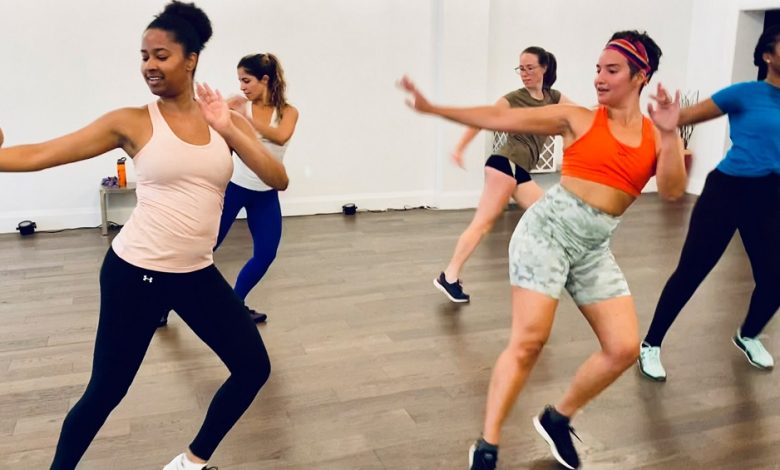
Samba classes typically begin with a warm-up to prepare your body for the fast-paced movements of the dance. The instructor will then introduce basic samba steps and footwork, gradually building on these foundational movements as the class progresses.
Throughout the class, expect to practice different samba routines and variations, incorporating various styles and techniques. The instructor will guide you through the proper posture, body alignment, and rhythmic patterns that characterize samba.
Be prepared to challenge yourself, make mistakes, and embrace the learning process. Learning samba requires patience, dedication, and a willingness to step out of your comfort zone.
In conclusion, exploring the world of samba in Dallas is an incredible journey filled with rich cultural heritage, vibrant communities, and endless opportunities for growth. Whether you’re drawn to samba for its high-energy dance moves, its historical significance, or its holistic benefits, embracing this captivating dance form will undoubtedly bring joy and fulfillment to your life.
FAQ
Question: What is the history of samba? – Samba has a rich history that traces back to Africa and evolved through the fusion of African rhythms and European influences in Brazil.
Question: What is the samba community like in Dallas? – Despite being an unlikely location for samba, Dallas has a thriving samba scene with a diverse community of dancers, musicians, and enthusiasts who share a deep love for samba.
Question: Are there samba events and festivals in Dallas? – Yes, Dallas hosts several samba events and festivals throughout the year, providing ample opportunities for samba lovers to indulge in their passion.
Question: Are there samba workshops and classes in Dallas? – Yes, Dallas offers a variety of samba workshops and classes taught by experienced instructors catering to dancers of all levels, from beginners to advanced.
Question: What are the benefits of learning samba? – Learning samba offers a range of physical and mental health benefits, including cardiovascular exercise, improved self-confidence, stress relief, and mood enhancement.
Question: How do I choose the right samba class in Dallas? – When choosing a samba class, look for reputable instructors, assess your goals and skill level, and be prepared for a structured learning experience.
Question: What can I expect in a samba class? – Samba classes typically begin with a warm-up, introduce basic samba steps, and gradually build on foundational movements. Expect to practice different samba routines, variations, and techniques.
Question: Is learning samba a challenging process? – Learning samba requires patience, dedication, and a willingness to step out of your comfort zone. Be prepared to challenge yourself, make mistakes, and embrace the learning process.
Useful Resources:
- Samba for All – A nonprofit organization dedicated to promoting and preserving the art of samba through education and community engagement.
- Samba Dallas – A community organization in Dallas that offers samba classes, workshops, and events for dancers of all levels.
- Rio Carnival – Learn more about the world-famous Rio Carnival, where samba plays a central role in the vibrant celebrations.
- Brazilian Day Festival – Discover more about the annual Brazilian Day Festival in Dallas, featuring captivating samba performances, music, and food.
- LoveToKnow Dance – A comprehensive guide to the samba dance, its history, techniques, and variations.
- Dance Magazine – A leading publication in the dance industry, offering articles, interviews, and resources for dancers of all genres, including samba.
- BBC Music – Samba – Explore the rich history of samba through this informative article on the BBC Music website.
- Better Samba – A website dedicated to providing instructional videos, tutorials, and tips for learning and improving samba dancing.