The Essential Steps For Water Damage Restoration
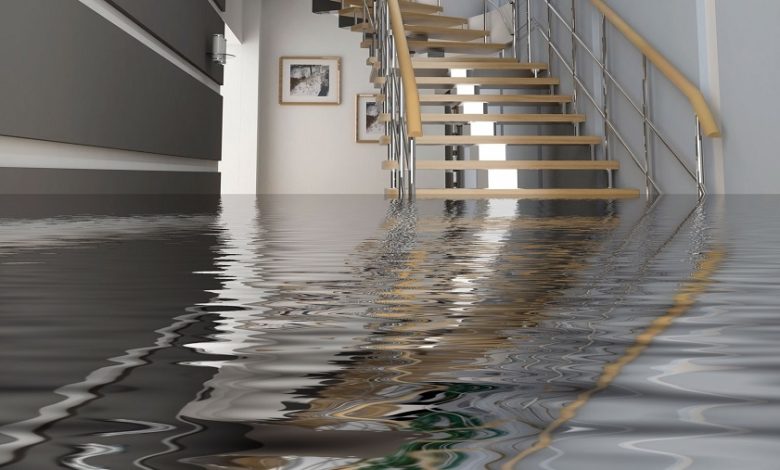
Water damage can be devastating for homeowners in Memphis. Whether it’s caused by a burst pipe, a plumbing leak, or severe weather conditions, the effects of water damage can be costly and take a toll on your property. However, by understanding the causes of water damage, assessing its extent, and following the proper restoration process, you can minimize the damage and restore your property to its pre-loss condition. In this guide, we will explore the essential steps for water damage restoration in Memphis, providing you with the knowledge and insights to effectively deal with this unfortunate situation.
Understanding the Causes of Water Damage
Before diving into the restoration process, it’s important to understand the common causes of water damage. By identifying the source, you can take preventive measures to avoid future incidents. Some of the common types of water damage include:
Common Types of Water Damage
- Plumbing leaks: Faulty pipes, leaking faucets, or malfunctioning appliances can lead to water damage in your home. The continuous dripping or small leaks can slowly accumulate and cause significant damage over time.
- Natural disasters: Extreme weather events like heavy rainfall, hurricanes, or floods can result in severe water damage. The excess water can infiltrate your property through the roof, windows, or foundation, leading to structural damage and potential health hazards.
- Sewage backups: When the main sewage line gets clogged or overflows, it can lead to sewage backups. This not only causes water damage but also poses health risks due to the presence of harmful bacteria and contaminants.
The Effects of Water Damage on Property
Water damage can have far-reaching effects on your property if not addressed promptly. Here are some of the potential consequences:
- Structural damage: Water can weaken the building materials, compromising the structural integrity of your property. It can cause warping, rotting, and even collapse if not addressed in a timely manner.
- Mold growth: Excess moisture creates an ideal environment for mold growth. Mold can spread rapidly and release spores into the air, leading to respiratory issues, allergies, and other health problems.
- Electrical hazards: Water and electricity don’t mix. If water infiltrates your electrical system, it can pose serious safety risks, including electric shocks and fires.
Assessing the Extent of Water Damage
Once you’ve identified the causes of water damage, the next step is to assess the extent of the damage. This step is crucial as it helps determine the appropriate restoration process and enables you to prioritize the areas that require immediate attention. Here’s how you can assess the extent of water damage:
Identifying Visible Signs of Water Damage
The first step in assessing water damage is to look for visible signs throughout your property. These signs may include:
- Discoloration: Check for stains or discoloration on your walls, ceilings, and floors. Water damage often leaves behind yellow or brownish stains.
- Warping or buckling: Look for any signs of warping or buckling on your floors and walls. This is a clear indication of water damage.
- Musty smell: Moisture and mold growth often produce a distinct musty smell. If you notice this odor, it’s likely a sign of water damage.
The Importance of Professional Assessment
While you can identify some visible signs of water damage on your own, it’s essential to seek professional help for a thorough assessment. Water damage restoration experts have the knowledge, experience, and equipment to accurately assess the extent of the damage, even in hard-to-reach places. They use advanced techniques such as moisture meters and thermal imaging to detect hidden water and moisture sources.
Professional assessment ensures that no areas are overlooked, allowing for a comprehensive restoration plan to be developed. It also helps prevent further damage or potential health hazards that may arise from hidden water sources or mold growth.
The Water Damage Restoration Process
Once the extent of the water damage has been assessed, it’s time to initiate the restoration process. The water damage restoration process typically involves several essential steps, including:
Emergency Water Extraction
The first and most crucial step in water damage restoration is the emergency water extraction. This involves removing standing water from your property to prevent further damage and mold growth. Water damage restoration professionals use powerful water extraction equipment to quickly remove the water from your property.
Additionally, they may employ specialized techniques to extract water from carpets, furniture, and other belongings that may have absorbed moisture.
Drying and Dehumidification
After the water extraction, the drying and dehumidification process begins. This step aims to remove the remaining moisture from the affected areas and prevent mold growth. Water damage restoration professionals use high-powered drying equipment, such as industrial fans and dehumidifiers, to expedite the drying process.
During this stage, it’s crucial to monitor the humidity levels and moisture content to ensure that the affected areas are adequately dried. Failure to achieve proper drying may result in further damage or mold growth.
Cleaning and Sanitization
Once the affected areas are thoroughly dried, the cleaning and sanitization process can begin. This step involves cleaning and disinfecting surfaces, furniture, and belongings that may have been contaminated by the water. Water damage restoration professionals use specialized cleaning agents and equipment to remove any residual bacteria, mold, or odors.
If mold growth is present, remediation methods may be employed to eliminate the mold and prevent future growth. Proper disposal of affected materials may also be necessary to ensure the elimination of any potential health hazards.
Preventing Future Water Damage
While dealing with water damage is a challenging task, taking preventive measures can significantly reduce the likelihood of future incidents. Here are some tips to help you prevent water damage in your Memphis home:
Maintaining Gutters and Downspouts
Clogged or damaged gutters and downspouts can lead to water overflow, causing water damage to your property. Regularly clean and inspect these systems to ensure proper water drainage away from your home’s foundation.
Properly Insulating Pipes
In colder months, pipe insulation can prevent freezing and bursting. Insulate exposed pipes in attics, basements, and crawl spaces to mitigate the risk of water damage.
Regularly Checking for Leaks or Water Intrusion
Perform regular checks for leaks or signs of water intrusion in your home. Inspect areas prone to leaks, such as bathrooms, laundry rooms, and kitchens. Promptly address any leaks to avoid potential water damage.
By implementing these preventive measures, you can safeguard your property and minimize the risk of water damage.
Final Thoughts
Water damage restoration requires a systematic approach to ensure a successful recovery. By understanding the causes of water damage, assessing its extent, and following the proper restoration process, you can effectively deal with water damage in your Memphis home. Remember, prevention is key, so take the necessary steps to protect your property from future water damage.
FAQ
Q: What are the common causes of water damage?
A: Common causes of water damage include plumbing leaks, natural disasters, and sewage backups.
Q: What are the potential consequences of water damage?
A: Water damage can lead to structural damage, mold growth, and electrical hazards.
Q: How can I assess the extent of water damage?
A: You can assess the extent of water damage by identifying visible signs and seeking professional assessment.
Q: What are some visible signs of water damage?
A: Visible signs of water damage may include stains or discoloration, warping or buckling, and a musty smell.
Q: Why is professional assessment important?
A: Professional assessment ensures comprehensive detection of water damage, prevents further damage, and identifies potential health hazards.
Q: What are the essential steps in the water damage restoration process?
A: The water damage restoration process involves emergency water extraction, drying and dehumidification, and cleaning and sanitization.
Q: How can I prevent future water damage?
A: Prevent future water damage by maintaining gutters and downspouts, properly insulating pipes, and regularly checking for leaks or water intrusion.
Q: What is the importance of proper drying and dehumidification?
A: Proper drying and dehumidification help prevent mold growth and further damage.
Useful Resources:
- EPA – Mold Resources
- FEMA
- American Red Cross
- HomeAdvisor – Types of Water Damage
- The Family Handyman – How to Fix Pipe Leaks
- National Weather Service
- Mold Advisor
- FTC – Mold Resources