Where Shared Experiences Turn Into Stories: Exploring Group Activities In Boston
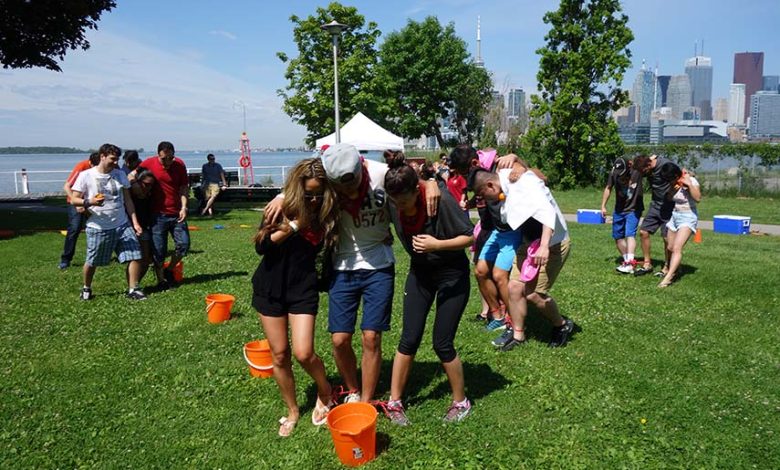
Planning time with a group can be surprisingly tricky. Everyone brings different interests, energy levels, and expectations to the table, which means finding something that truly clicks for everyone is not always easy. Yet when it works, those shared moments often become the stories people talk about long after the day is over.
That is part of what makes group outings so valuable. They create space for connection, laughter, and a bit of unpredictability. Whether it is a team-building event, a birthday celebration, or just a day out with friends, the right activity can turn a simple plan into something memorable.
Why Group Activities Matter More Than Ever
Spending time together in a meaningful way has taken on new importance in recent years. With so much communication happening through screens, people are looking for real, in-person experiences that bring them closer. Group activities offer that chance to step away from routines and focus on shared moments.
There is also a practical side to it. Organized group experiences help remove the pressure of planning every detail. Instead of worrying about what to do next, participants can simply show up and enjoy the moment. This makes the experience more relaxed and often more enjoyable for everyone involved.
Building Stronger Connections
When people engage in activities together, something interesting happens. They start to communicate differently, often more openly and naturally. Challenges, games, and shared goals create opportunities for teamwork and trust.
This is especially true in environments that encourage collaboration. Whether solving puzzles or completing physical challenges, participants learn to rely on each other. These interactions often reveal strengths and personalities that might not come out in everyday settings.
Breaking Out of Routine
Routine can be comfortable, but it can also become limiting. Group activities provide a break from the usual patterns, offering something fresh and engaging. This change of pace can boost mood and create a sense of excitement.
Trying something new as a group also reduces pressure. When everyone is learning or exploring together, there is less focus on individual performance and more on shared experience. That shift can make the activity feel more approachable and fun.
Interactive Adventures That Challenge and Entertain
One of the most popular trends in group entertainment is interactive adventure experiences. These activities go beyond passive entertainment, inviting participants to actively engage with their environment. Instead of watching something happen, you become part of the story.
This style of activity works well for groups because it naturally encourages participation. Everyone has a role to play, and success often depends on teamwork. It creates a sense of immersion that keeps people engaged from start to finish.
Puzzle-Based and Challenge Rooms
Puzzle-based experiences have grown rapidly in popularity, and for good reason. They combine problem-solving with a sense of urgency, creating an engaging challenge that keeps groups on their toes. Participants must work together to uncover clues, solve riddles, and complete tasks within a set time.
What makes these experiences stand out is the variety. Each room or challenge can have a completely different theme, from mystery scenarios to adventure settings. This keeps the experience fresh, even for repeat visitors, and encourages groups to come back for more.
Quest-Style Team Experiences
Quest-style activities take the idea of interactive entertainment even further. Instead of a single room or scenario, participants move through a series of challenges, each requiring a different skill set. Some tasks may involve physical movement, while others focus on logic or communication.
The appeal lies in the variety and unpredictability. Groups often fail multiple times before succeeding, but that is part of the fun. Each attempt brings new insights, and the shared effort creates a sense of accomplishment that is hard to replicate in other settings.
Outdoor Activities That Bring Energy to the Group
Not every group activity needs to take place indoors. Outdoor options offer a different kind of energy, combining fresh air with movement and exploration. These experiences are especially appealing for groups looking to stay active while spending time together.
Outdoor activities also provide a more relaxed environment. Without the constraints of a structured indoor setting, participants can move at their own pace and enjoy the surroundings. This makes them a great option for groups with varied preferences.
Walking Tours and Exploration
Exploring a city on foot can be a surprisingly engaging group activity. Guided walking tours offer a mix of storytelling and discovery, giving participants a deeper understanding of the area. Even for those familiar with the city, there is often something new to learn.
These tours also encourage conversation. As the group moves from one location to another, people naturally interact and share observations. It creates a balance between learning and socializing, making the experience both informative and enjoyable.
Recreational and Team Sports
For groups that enjoy physical activity, recreational sports can be a great choice. Whether it is a casual game or a more organized competition, these activities bring out a sense of energy and friendly rivalry.
Team sports also reinforce collaboration. Players must communicate and coordinate to succeed, which strengthens group dynamics. Even those who are not particularly competitive can enjoy the lighthearted nature of these activities.
Creative and Social Experiences for All Personalities
Not every group thrives on high-energy or competitive activities. Some prefer a more relaxed and creative approach. Fortunately, there are plenty of options that focus on expression, conversation, and shared creativity.
These experiences often create a different kind of connection. Instead of working toward a specific goal, participants engage in open-ended activities that allow for personal input and interpretation.
Art, Food, and Hands-On Workshops
Creative workshops offer a chance to try something new while spending time together. Whether it is painting, cooking, or crafting, these activities provide a hands-on experience that feels both productive and enjoyable.
What makes them appealing is their accessibility. Participants do not need prior experience to take part, and the focus is on the process rather than the outcome. This creates a relaxed atmosphere where people can experiment and have fun.
Social Games and Group Challenges
Social games are another great option for groups looking to keep things light. These activities often involve simple rules and a focus on interaction, making them easy to join and enjoy.
They also encourage laughter and spontaneity. Unlike more structured activities, social games allow for flexibility and improvisation. This can lead to unexpected moments that make the experience memorable.
Choosing the Right Activity for Your Group
With so many options available, choosing the right activity can feel overwhelming. The key is to consider the group’s preferences, energy levels, and goals. A successful outing is one that feels comfortable and engaging for everyone involved.
It is also helpful to think about the purpose of the gathering. Is it meant to build stronger connections, celebrate a special occasion, or simply have fun? Clarifying this can guide the decision-making process and lead to a better overall experience.
Balancing Challenge and Fun
Finding the right balance between challenge and enjoyment is important. Activities that are too difficult can lead to frustration, while those that are too easy may not hold attention. The ideal experience offers just enough challenge to keep people engaged without overwhelming them.
This balance often depends on the group itself. Understanding the personalities and preferences of participants can help in selecting an activity that feels right. It is about creating an environment where everyone can contribute and enjoy themselves.
Planning for Different Group Sizes
Group size can also influence the choice of activity. Smaller groups may prefer more intimate experiences, while larger groups often benefit from structured activities that can accommodate multiple participants.
Flexibility is key when planning for larger groups. Activities that allow for smaller teams within a larger setting can help maintain engagement and ensure that everyone feels included.
Making the Most of Shared Experiences
The best group activities are not just about what you do, but how you experience it together. Taking time to engage fully, communicate openly, and enjoy the moment can make a big difference. These small choices often shape how the experience is remembered.
In the end, the goal is simple. Create moments that bring people closer and leave a lasting impression. With so many group activities in Boston available, there is no shortage of ways to make that happen.