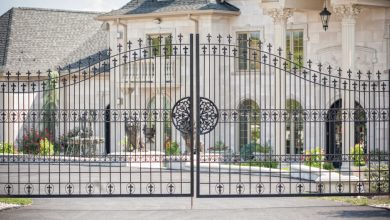
Enhancing Curb Appeal With Traditional Picket Fencing For Homes

The Timeless Charm of Picket Fencing
Historical Roots: A Look Into Picket Fencing Origins
Picket fencing is far more than just a decorative boundary; it is steeped in history and narrative. Originating in Europe, the tradition of using wooden pickets dates back to the 15th century when gardens were enclosed for both utility and aesthetics. It became a prominent feature of colonial American homes in the 18th and 19th centuries. The picket fence was widely associated with the ideal of the American Dream — symbolizing a picturesque rural life and family values, contributing significantly to its enduring popularity. As settlers moved westward, these fences became critical in delineating land ownership, securing livestock, and enhancing privacy. Consequently, the aesthetic appeal of the picket fence captured the imagination of homeowners, evolving from simple wooden enclosures into artful designs that reflected personal styles and societal norms.
The Aesthetic Appeal: Why Picket Fences Captivate Homeowners
The beauty of picket fencing lies in its classic, timeless design that effortlessly complements various architectural styles; from quaint cottages to modern farmhouses, this fence enhances the visual allure of any property. The uniformity of the pickets not only creates a sense of order but also evokes a warm, welcoming ambiance. When finished in soft whites or natural wood tones, a picket fence can foster nostalgia while inviting guests to step into a charming landscape. Homeowners appreciate how this fence adapts to its environment — flourishing in gardens adorned with vibrant flowers or standing sentinel against sprawling lawns. This adaptability ensures that picket fencing elevates a home’s curb appeal, making it a favored choice for those looking to create a striking first impression.
Contemporary Twist: Modern Designs for Traditional Fences
While traditional picket fencing for homes is celebrated for its design, contemporary interpretations have breathed new life into this classic structure. Today, homeowners can select from a variety of materials and styles, merging old-world charm with modern sensibilities. For instance, minimalist horizontal picket fencing offers a sleek take on tradition, aligning with modern architectural trends that favor clean lines. Composite materials, an eco-friendly alternative, mimic the look of wood while offering enhanced durability and lower maintenance needs. Unique designs, such as colored pickets or mixed materials, can set one property apart from the rest while still retaining the classic feel of the time-honored picket fence. This hybrid approach allows homeowners to express personal style while benefiting from modern enhancements — a marriage of tradition with contemporary flair.
Choosing the Right Materials for Durability and Style
Wood vs. Vinyl: Understanding the Pros and Cons
The foundational element of any picket fence lies in its materials, with wood and vinyl being two of the most popular choices. Wood, particularly cedar or redwood, is favored for its natural look, classic appeal, and ability to be stained or painted for personalized color schemes. It holds an undeniable charm, exuding warmth and authenticity. However, wood requires regular maintenance — sealing, staining, and treating for termites and rot become necessary duties over time. On the other hand, vinyl fencing stands as a modern alternative, offering unparalleled durability and resistance to fading, splintering, and environmental effects. This synthetic option can mimic wood textures and colors but requires less upkeep, which is ideal for busy homeowners. Ultimately, the choice between wood and vinyl hinges on aesthetic preference alongside practical considerations regarding maintenance and longevity.
Eco-Friendly Options: Sustainable Choices for Environmentally Conscious Homeowners
With the rising awareness of environmental impact, many homeowners now seek eco-friendly fencing options. Sustainable materials such as reclaimed wood or bamboo represent a commitment to the environment while still providing the classic style of a picket fence. Reclaimed wood, salvaged from old barns or buildings, not only recycles materials but also offers a unique character that cannot be replicated. Bamboo, known for its rapid growth and renewability, presents a robust and stylish alternative that provides the look of traditional wood. Additionally, several manufacturers now produce composite materials from recycled plastics and wood fibers, blending sustainability with aesthetics. These eco-friendly materials not only help reduce waste but also require less energy to maintain, aligning with the modern ethos of sustainable living without compromising on style.
Finish Matters: Paint, Stain, or Natural? Discovering the Best Look
The finish of a picket fence can dramatically transform its appearance and durability. The decision to paint, stain, or leave wood natural will depend largely on personal style and the desired level of upkeep. Painting provides a bold opportunity to add color, allowing homeowners to match their fence to their home’s palette or even go for eye-catching contrasts. However, painted fences require regular touch-ups and can be susceptible to peeling or fading. Staining, on the other hand, nourishes the wood while enhancing its natural grain, offering lasting protection against the elements. It can create a rustic or polished look, depending on the shade chosen, and tends to require less maintenance than paint. For those who prefer a more rustic approach, opting for a natural finish showcases the beauty of the wood itself but necessitates protective treatments to prevent deterioration. The choice of finishing also intertwines with local climate conditions, further influencing the longevity and aesthetics of your picket fence.
Installation Insights: Elevating Your Curb Appeal with Confidence
DIY vs. Professional Installation: What You Need to Know
The decision to install a picket fence yourself or hire a professional hinges on multiple factors, including budget, skill level, and time constraints. DIY installation can be a rewarding endeavor, allowing homeowners to save money while also customizing their designs to personal specifications. With thorough research and preparation, such as acquiring the right tools and following detailed plans, DIY enthusiasts can achieve professional-looking results. However, it demands a significant investment of time and effort, not to mention the need for physical labor. Conversely, hiring experts ensures a higher level of precision, expedited completion, and peace of mind, especially for those wary of complex tasks involving leveling and post-setting. Professionals can also navigate local regulations and ensure that your fence is compliant with zoning laws, ultimately streamlining the process. Weighing these factors can guide homeowners toward the best choice for achieving their vision without unnecessary complications.
Design Tips: Best Practices for Layout and Orientation
When it comes to installing a picket fence, planning the layout and orientation can substantially affect both functionality and aesthetics. First, consider the purpose of the fence: will it serve as a decorative boundary, safety for children and pets, or enclose a garden? Depending on its function, spacing between the pickets needs careful consideration, as more gaps will evoke a more open feel while denser designs may enhance privacy. Secondly, the orientation is essential; the picket points should face outward, ensuring the fence maintains a finished look from both sides. Additionally, be mindful of how the fence integrates with existing landscaping. Positioning the fence to frame scenic views or align with pathways can create a harmonious environment that enhances rather than obstructs other design elements, adding to the property’s appeal.
Maintenance Made Easy: Keeping Your Picket Fence in Pristine Condition
A picket fence, while beautiful, does necessitate consistent care to prevent deterioration and maintain its visual integrity. A regular maintenance routine should include cleaning the surface with mild soap and water to remove dirt, mildew, and debris. For wood fences, repainting or re-staining should occur every few years, contingent on the local climate and wear. Known offenders such as weather, humidity, and pests must be monitored; treating wood with appropriate sealants can serve as a barrier against moisture, while pest control measures can prevent damage from wood-destroying insects. Vinyl fences, while less prone to degradation, benefit from periodic inspections to affirm that the integrity of the material remains intact. Valuable tools might include pressure washers for comprehensive cleaning, while a good inspection can catch issues before they escalate. By establishing a routine maintenance schedule, homeowners can prolong the life and beauty of their picket fence, thereby enhancing its contribution to the property’s curb appeal.
Integrating Landscaping and Picket Fences for Maximum Impact
Harmonizing Colors: Choosing Plants that Complement Your Fence
The synergy between fencing and landscaping can elevate a home’s curb appeal, turning a simple picket fence into a stunning focal point. Selecting plants that harmonize with the fence’s color can create a visually appealing balance; for instance, a white fence can serve as a pristine backdrop for vibrant flowers, while darker fence colors may require lighter plant foliage to stand out. Consider seasonal blooms and evergreen varieties that complement the landscape throughout the year, providing various textures and colors. Additionally, climbing plants can beautifully adorn your picket fence, with options like morning glories or climbing roses adding vibrancy and creating a charming, cottage-like ambiance. Integrating landscape elements with the fence enriches the property, marrying artificial and natural beauty in an inviting presentation.
Creative Ideas: Lighting and Decor Enhancements to Elevate Your Fence
Innovative decor and lighting can further enhance the beauty of your picket fence, transforming it into an evening masterpiece. String lights or solar pathway lights mounted along the fence can create a warm, inviting glow in the evenings while spotlighting its structural elegance. Wall-mounted lanterns or sconces can also serve to amplify security while elevating the atmosphere of outdoor gatherings. Seasonal decorations, such as wreaths or hanging planters, can provide freshness and versatility, adapting to the changing seasons and holidays. The addition of decorative elements such as trellises or birdhouses can offer personality and uniqueness to your fence, defining it as a standout feature in the landscape. This blend of functional and decorative enhancements nurtures a cohesive outdoor experience, making the home even more welcoming and visually appealing.
Seasonal Flair: Decorating Your Fence for Every Time of Year
Adding seasonal decor to your picket fence fosters a dynamic relationship between your home and the environment. In spring, vibrant flowers and pastel-colored decorations can breathe life into your space, while summer may call for bright, bold colors and patriotic-themed decor. Autumn ushers in rich oranges, rustic reds, and golden yellows alongside pumpkins and hay bales to bring a festive atmosphere. In winter, a draped garland or twinkling lights can work wonders, creating a cozy and enchanting scene. Each season allows homeowners to express creativity and maintain engagement with their landscape. Regularly refreshing the decorations prolongs interest and connection with the home while providing varied aesthetic rewards that resonate throughout the year. Ultimately, celebrating the distinctiveness of each season will keep your picket fence — and your yard — appealing and vibrant at all times.
FAQ
Question: What are the benefits of using eco-friendly materials for picket fencing? – Eco-friendly materials, such as reclaimed wood and bamboo, reduce environmental impact by utilizing sustainable resources. They also offer a unique aesthetic while preserving the traditional charm of picket fencing.
Question: How can I enhance the security of my picket fence? – To enhance security, consider adding taller pickets, using sturdy materials, or incorporating spikes on the top. Additionally, integrating lighting can deter intruders and improve visibility around your property.
Question: What types of decorative elements can I use with my picket fence? – Decorative elements can include trellises, hanging planters, lanterns, and seasonal decorations like wreaths. These additions enhance the visual appeal and personalize your fence to reflect your style.
Question: How often should I clean and maintain my picket fence? – Regular maintenance should include cleaning at least once a year and inspecting for damage. Wood fences may need re-staining or repainting every few years, depending on the weather and wear.
Question: Are there specific plant types that work best with picket fencing? – Yes, climbing plants like morning glories and climbing roses work well with picket fences, adding color and texture. Additionally, perennial flowers that bloom seasonally can beautifully complement the fence.
Question: What should I consider when choosing between DIY and professional installation? – Consider factors such as budget, time, and your skill level. While DIY can save money, professional installation ensures precision and compliance with zoning laws, especially for complex designs.
Question: How can I make my picket fence a focal point in my landscaping? – To make your picket fence a focal point, choose contrasting plant colors, use decorative lighting, and consider using unique designs for the fence itself. Grouping plants and accessories around the fence also draws attention to it.
Question: Is it possible to use recycled materials for modern picket fence designs? – Yes, many modern picket fences can be made from recycled materials, such as composites made from plastics and wood. These materials provide durable options while also promoting sustainability.