Insider Tips For Timing And Nailing Casement Window Replacement
Key Takeaways
When it comes to casement window replacement, costs can go above what you initially planned. Hidden expenses like installation fees, permit costs, retrofitting, and seasonal price hikes might catch you off guard. It’s essential to budget for these unpredictable factors.
While it might be tempting to go for cheaper windows, you could end up paying more over time due to repairs, replacements, and higher energy bills. Evaluating the overall lifecycle value of the materials is vital.
Wood windows offer that timeless beauty but need consistent maintenance, whereas vinyl windows are durable yet may fade as years go by. Considering your local climate can help pinpoint the best choice for your situation.
Remember, window aesthetics greatly influence your home’s overall feel. Think about architectural style, neighborhood surroundings, and personal taste when choosing materials for a seamless design.
For energy-efficient windows to really work their magic, proper installation is key; shoddy workmanship can wipe out potential savings on utility bills, even if the windows boast high-performance ratings.
Many people may misunderstand insulation’s role in regulating temperature; factors like frame quality, insulation type, and glass panes have a tremendous impact on energy retention and the window’s overall performance.
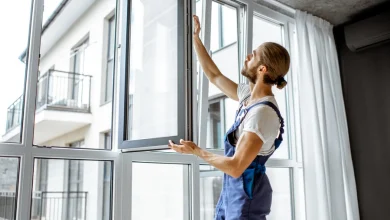
To ensure quality, hiring professionals for window installation can save you time and hassle. DIY projects might lead to disappointment and overlooked details, especially in busy seasons like summer.
The Real Costs of Casement Window Replacement
Breaking Down Hidden Expenses in Your Renovation
If you’re like I was when I started looking into casement window replacement, you might brace yourself for the initial shock of sticker prices – the big numbers everyone talks about. But honestly, those are mere child’s play compared to what’s hiding underneath. Sure, material costs hurt, but don’t forget about installation fees, permits, and those jaw-dropping “unexpected” expenses. It’s brutal—it felt like I found a treasure chest only to discover it was filled with dull rocks.
Here’s what took me by surprise:
- Installation fees – definitely not as simple as they seem
- Permits that you didn’t even realize you needed
- Retrofitting costs due to unforeseen structural issues
- Seasonal pricing – guess what? Costs soar when everyone wants a window swap in summer
I ended up forking out way more than I expected. Looking back, I should’ve prepared for the unexpected twists, not just the obvious expenses. Take a page from my book.
Do Cheap Windows Cost You More in the Long Run?
“Cheap windows can be an expensive mistake that keeps on costing.”
As I’ve found out, price isn’t everything. I quickly learned that three critical factors can bite you back when opting for cheap materials:
- Durability – can these withstand nature’s elements?
- Energy efficiency ratings – high performance will save you in utility costs
- Aesthetic longevity – peeling paint weeks after installation is a disaster
So nowadays, when I’m in the market for windows, I focus on upfront costs but also think about lifecycle value. It’s all about looking ahead.
Choosing the Right Materials: Wood vs. Vinyl
Durability: What Will Stand Up to the Elements?
When it comes to big decisions like this, the epic showdown between wood and vinyl surfaces quickly emerges. Trust me, I’ve been there. Wood brings warmth and elegance; it’s like donning a tailored suit. On the flip side, vinyl stands for tested durability—think of it as your favorite combat boots.
Put personal preference aside for a moment, and here’s a little secret: each material has its weaknesses:
- Wood can warp and needs constant attention.
- Vinyl can fade and may lack the grace of aging.
Ultimately, consider your living conditions. Harsh weather? Vinyl might be your best bet. Craving that vintage charm? Wood could be the answer. Just don’t forget that maintenance can be a serious commitment.
Aesthetic Appeal: Which Material Compliments Your Home?
“Good design eats cheap materials for breakfast.”
Think of it as a three-part equation:
- Architectural style of your home – does it blend effortlessly?
- Surrounding environment – what’s the aesthetic vibe of your neighbors?
- Personal style – your choice must resonate with your individuality
Trust your instincts, but be smart about it. After all, your house reflects who you are—choose thoughtfully.
Energy Efficiency Myths: What You Need to Know
Do Casement Windows Really Save on Utility Bills?
There’s so much buzz around energy-efficient casement windows. Honestly, it almost swept me off my feet before I took a step back to check the facts. Yes, they’re designed to improve airflow and sealing. But do I truly see that reflected in my energy costs? The answer isn’t straightforward.
The kicker? It’s not merely about the window itself. Installation quality plays a pivotal role, too. I learned this the hard way, relying on “experts” who didn’t have a clue. It’s like buying a Ferrari and letting your child drive it home.
- Air leakage: Many windows promise airtight seals, but what’s the installation quality like?
- Glass quality: Poor-quality glass can undermine energy efficiency.
- Overall design: Badly designed windows can wreak havoc on performance.
Before you go ahead with casement window replacement, thoroughly check everything. Don’t fall into the trap of thinking shiny labels will automatically lead to savings. Time for a reality check.
Fact or Fiction: The Role of Insulation in Performance
People often tout insulation as the holy grail for maintaining that perfect temperature, but sometimes it feels like more myth than fact. Here’s what I’ve found out: it’s easily misunderstood. Is the insulator to blame for those sweltering summer hot spots, or is it poor installation? Are we directing our frustration at the wrong culprit?
One thing’s for sure: tossing money at windows doesn’t guarantee stellar performance. Consider these points:
- Composite frames often surpass traditional options.
- Insulation types vary depending on whether you live in a wet or dry area.
- Double or triple panes can substantially enhance energy retention.
So even if it’s tempting to choose what’s trendy, dig into the details. The truth is, real-world performance might differ from what brochures promise.
The Installation Process: What to Expect
DIY vs. Professional Installation: Weighing the Pros and Cons
I thought I was on top of the world. Spoiler alert: the regret hit hard. Here’s what I discovered:
- Time consumption: Prepare for delays because things rarely go as planned.
- Skill level: Be real with yourself. How mechanically inclined are you?
- Finishing touches: Pros nail those details you might miss.
Looking back, I should have weighed the benefits of hiring a professional against my stubborn pride. Some projects are just better suited for the experts.
Timing Your Replacement: Best Seasons to Get it Done
Timing can indeed make a world of difference, especially in the window replacement arena. I learned the hard way that trying to install during peak season is chaos personified. Who wants to fork out extra just to hop onto the summer bandwagon? Not me.
My advice? Fall and spring months are often your best bet. Here’s why:
- Less competition: Contractors tend to be more available and accommodating.
- Better pricing: Costs can drop when demand is lower.
- Ideal weather: Pleasant conditions make installations run smoother.
So don’t just dive into it; plan wisely. Skip the frenzy, save some cash, and get those windows installed when the time’s right.
Ultimately, the lessons I’ve learned throughout this journey could fill a book. Every step of my casement window replacement saga taught me something invaluable—some lessons were tough, but undeniably worth it. If you’re about to embark on a project like this, arm yourself with every bit of knowledge you can find. Trust me, you’ll need it.
FAQ
What should I consider when choosing between different window styles?
Selecting a window style goes beyond looks; functionality matters too. How’s the climate where you live? Do you need windows that offer good ventilation or those that provide better protection against the elements? Find the right balance between looks, performance, and practical requirements.
How can I tell if my existing windows need to be replaced?
Watch for signs like drafts, condensation between panes, or visible deterioration. If air leaks through your malfunctioning windows or you notice escalating energy bills, it might be time to think about an upgrade. Don’t wait for them to fail entirely.
Are energy-efficient windows always worth the investment?
Not always. Sure, the initial costs can be intimidating, but when installed correctly, they usually pay off in energy savings. However, if you’re in a temperate climate, the savings might not be substantial enough to justify the expense, so consider your particular situation carefully.
What’s the average lifespan of casement windows?
Generally, well-maintained casement windows can last around 20 to 30 years. Keep in mind this lifespan varies with the material and exposure to the elements. Maintenance plays a crucial role in determining how long they last.
What kind of maintenance do wood windows require?
Wood windows need regular care. You’ll have to paint or stain them every few years and inspect them for rot or warping, especially in damp climates. If you’re not up for that commitment, you might want to rethink going with wood.
Is it possible to replace windows myself?
While the DIY route can be tempting, it isn’t always the best option. If you’ve got the skills and tools, go for it, but be prepared for the headaches that might come with it. Mistakes can lead to air leaks and diminished performance, which could cost you significantly more in the long run.
What should I do if my windows seem to have an airtight seal but still lose energy?
This could point to poor frame quality or insulation issues. Don’t just assume the windows are at fault; assess the quality of the installation and the rest of the structure. Evaluating all components is crucial to identifying where energy loss is happening.
Can I install different types of windows in the same house?
Useful Resources
- S. Department of Energy– Dive into extensive information on energy efficiency and energy-saving advice, including window technology.
- NAIOP – Commercial Real Estate Development Association– Find resources for building professionals, including insights on energy-efficient construction practices.
- ENERGY STAR– Focuses on energy-efficient products and practices, including windows, to help consumers make smart decisions.
- Window Replacement Guide– A dedicated resource for different window types, installation guides, and maintenance tips.
- HGTV– Explore diverse articles and guides related to home renovation and design, including window styles and installations.
- S. Department of Housing and Urban Development– Access various resources about housing, including energy efficiency initiatives.
- National Fire Protection Association (NFPA)– Your go-to for safety guidelines and information related to home construction and installations.
- IHS Markit– Offers market intelligence and analysis to help you understand trends in home improvement materials.
- American Architectural Manufacturers Association (AAMA)– Provides technical standards and resources for window and door performance along with energy efficiency.