More Than Money: Why Donating Plasma Is The Ultimate Way To Impact Your Community
Key Takeaways
Many people think plasma donation is painful; in reality, it usually just feels like a quick pinch, not unlike a shot.
You can give plasma every 28 days, which adds up to 13 times a year, although local centers might have their own guidelines and perks.
Donating plasma can really save lives, just ask people like Sarah, who found hope through donations from her community.
Plasma isn’t just some yellow liquid; it’s a complex mix that holds proteins, hormones, and nutrients vital for our health.
To prep for your donation, eating a well-balanced meal and staying hydrated is crucial. Avoid fasting or downing too much caffeine to keep discomfort at bay.
Typically, the donation process lasts about 45 minutes to an hour. Afterward, you’ll enjoy some snacks and a little downtime so your body can recover.
Opting for a local donor center like ABO Plasma means you’re not just helping yourself, but also your community. Look for cleanliness, staff training, and proper accreditations when choosing a center.
Many centers offer financial compensation for your donation, but for a lot of people, the real reward comes from knowing they’ve saved lives.
Debunking Common Myths: What You Really Need to Know About Plasma Donation
Is Donating Plasma Painful? The Truth About the Experience
You know, when I first thought about donating plasma, I was a bundle of nerves. Would it hurt? Could I faint? There’s this persistent myth floating around, especially in Laredo, that plasma donation feels like a scene from a horror movie. But honestly? It’s nowhere near that intense.
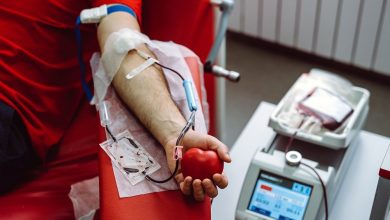
Most people just feel a tiny pinch when the needle goes in. Sure, there’s some mild discomfort, but after doing it several times, I’d say it’s about as painful as getting a flu shot. Keep in mind, everyone handles pain differently. So, just relax, and remember, the satisfaction of helping others will definitely outweigh any little discomfort.
How Often Can You Donate Plasma? Clearing Up Confusion
Curious about how often you can donate plasma? Some rumors suggest every few months, while others say you can go every couple of weeks.
Here’s the straightforward truth: The FDA allows donations every 28 days, totaling up to 13 donations each year. But don’t forget, individual centers may have their own safety rules which can influence how often you’re able to donate. They might even have incentive programs to encourage additional donations.
Before you go, make sure to confirm with your local donor center. Think of each donation not just as a chance to help others, but as a quick self-health check. Each time you sit in that chair, consider it a mini health assessment.
The Lifesaving Impact of Your Plasma: Why It Matters More Than You Think
Real Stories: Plasma Recipients Share Their Gratitude
If you’re unsure about how a simple act, like plasma donation in Laredo, TX, can make a difference, I’ve got a story for you. My friend Sarah got diagnosed with a rare autoimmune disorder. She was at her lowest, and her doctors said plasma might be her only chance for stability. Without thinking twice, she connected with someone in her community who was a regular donor at a local center.
Just weeks later, Sarah got her transfusion and began her recovery journey. Can you imagine being that person who made such a huge difference? It’s incredible. Just think about the lives you could potentially impact!
“Plasma donation isn’t merely about blood; it’s about giving life.”
What’s in Plasma Anyway? Understanding Its Life-Saving Components
What’s something so special about plasma that you’d consider donating it? Well, it’s not just some yellow liquid. Plasma is a sophisticated solution packed with essential components. It’s rich in proteins, hormones, and nutrients just waiting to serve another person in need. In fact, plasma makes up over half of your blood’s volume, playing a key role in things like clotting, disease fighting, and keeping us hydrated. It’s almost like nature’s secret potion.
- Globulins: Proteins that help protect against infections.
- Albumin: Vital for upholding blood volume and pressure.
- Fibrinogen: Crucial for clotting—without it, even minor injuries could lead to significant trouble.
Next time you’re about to walk into that donation chair, think about all that complexity. What you’re giving could literally change lives. Now, that’s pretty uplifting!
Preparing for Your First Donation: Tips for a Smooth Experience
What to Eat and Drink Before Donating: Fueling Your Body
If you’re feeling anxious as your donation day comes up, you can ease that a bit with some prep. Honestly, your food and drink choices matter. The last thing you want is to end up feeling faint in that chair. Opt for a well-balanced meal a few hours before your appointment. And really, don’t even think about going in on an empty stomach!
- Hydrate: Drink plenty of water—aim for at least 16 ounces before your appointment.
- Snack Smart: Choose high-protein snacks, like yogurt or nuts.
- Avoid Alcohol: It can lead to dehydration—which is not ideal before a donation!
Caffeine is another topic with mixed opinions. My advice? Keep it limited. A little’s okay, but too much can make you jittery, and that doesn’t help the situation during your donation.
What to Expect During and After Your Donation
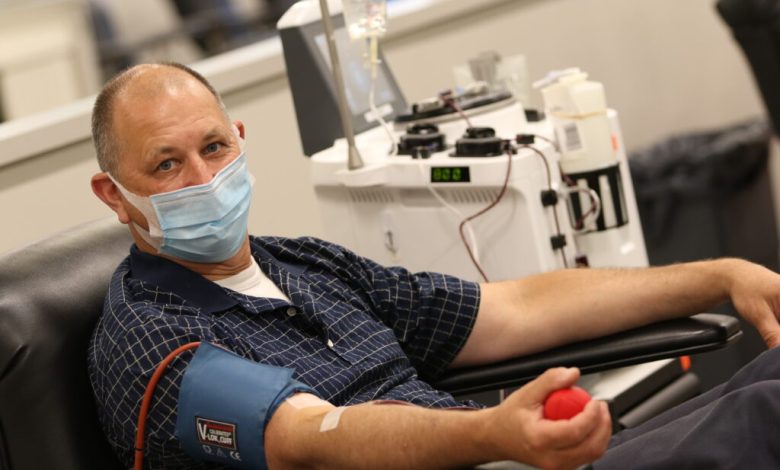
Let’s get into the details about what happens during the donation. Walking into a donor center for the first time? It can feel a bit intimidating. But don’t worry, you’ll meet friendly staff who really know what they’re doing. They make sure you feel comfortable—no one wants you to feel on edge! The donation itself usually takes about 45 minutes to an hour, which can feel fast when you realize you’re aiding in saving lives.
“It’s like enjoying a leisurely cup of coffee while knowing you’re doing something extraordinarily meaningful.”
After donating? Take some time to rest. They’ll often provide snacks and drinks. Your body needs some time to bounce back. I personally make it a point to take it easy the rest of the day. There might be a bit of fatigue, but that’s perfectly normal. Just trust your body.
Finding the Right Donor Center: What Laredo Residents Should Look For
Why Local Centers Like ABO Plasma Matter for Your Community
Let’s be real; donating plasma isn’t just an individual effort; it’s about giving back to your community. By choosing a local center like ABO Plasma, you’re making a direct impact on the lives of people around you. Supporting local keeps that vital resource close to home. That’s a comforting thought, wouldn’t you agree?
When picking a donation center, be sure to look for:
- Accreditations: They should be certified by health authorities.
- Cleanliness: How well they maintain their facilities is crucial.
- Staff Training: You want to see professionals who care and know what they’re doing.
These elements contribute to a comfortable experience, plus safe and effective donations. It’s important to know that your contribution will be treated with care—for both you and those in need.
Donor Incentives: What Are You Really Getting Out of It?
While the motivation to donate often comes from altruism, let’s not kid ourselves—incentives are definitely a nice bonus. Many centers offer cash rewards. Depending on where you go, that could mean earning cash or gift cards. Is money the main driver? For some folks, it might be. Others enjoy it as an extra perk to an already fulfilling act.
- Cash Rewards: Typically range from $20 to $50 for each visit.
- Referral Bonuses: If you bring a friend, there’s a chance for both of you to earn.
- Frequent Donor Programs: The more often you donate, the more you can earn over time.
Think about the benefits. Sure, a little extra cash is great, but knowing you’ve helped save a life? That’s the ultimate reward. Embrace the whole experience, and you’ll find it resonates on various levels.
In summary? Donating plasma is a powerful act that uplifts not just you, but your whole community. Consider this: you can help alleviate suffering, snag a little cash, and walk away with satisfaction that’s hard to beat. I believe it’s one of those rare experiences that transforms not just the lives of recipients but yours as well. So, why not take the leap and give it a try?
FAQ
Can anyone donate plasma, or are there restrictions?
No, not everyone is eligible to donate plasma. Certain health criteria will be evaluated. If you’re underweight, have specific medical conditions, or take certain meds that affect your blood, you might not qualify. It’s all about keeping everyone safe—both you and the plasma recipients.
What happens to the plasma after it’s donated?
Upon donation, plasma undergoes various tests to check for any pathogens and other safety factors. After that, it can be processed into life-saving therapies or utilized in research studies. Knowing your plasma could aid in developing treatments gives a profound sense of purpose.
How does plasma donation differ from blood donation?
Both types are essential, but donating plasma focuses specifically on the liquid part of blood, rich in proteins and antibodies. In contrast, blood donation collects whole blood, which includes red cells, white cells, and platelets. Plasma really is the unsung hero—often overlooked but crucial for countless therapies.
Is there a risk of becoming dependent on donating plasma for income?
This is definitely a valid concern. While many people do use their donation rewards as a supplemental income, it’s not something you should rely on as your main source. Making plasma donation your sole income stream could negatively impact your health. Balance is essential; feel good about your contributions, but don’t go overboard!
Are there age restrictions for donating plasma?
Yes, generally, you must be at least 18 years old to donate plasma. Some centers might permit minors to donate with parental consent, but this can vary. It’s always best to check the specific rules at your local donor center for any details on eligibility.
What are the side effects or risks of donating plasma?
Most people haven’t reported serious side effects, though some experience slight fatigue or dizziness afterward. Feeling lightheaded isn’t uncommon either. The key? Stay hydrated and rest after donating. Major complications aren’t frequent, but they could happen if you don’t follow the prep guidelines. Always listen to your body!
How long does it take for your body to replenish the plasma after donation?
Generally, your body takes about 48 hours to replace the plasma you donate. Pretty quick, right? However, replenishing the proteins and antibodies in your plasma might take several weeks. So, while you can donate every 28 days, keep in mind that your body needs some time to recover.
Can plasma donation help with specific medical conditions?
Definitely! Plasma therapy can be beneficial for treating various conditions such as clotting disorders, liver diseases, and immune deficiencies. Many treatments require plasma-derived therapies. By donating, you’re not just giving; you might be saving lives and significantly enhancing the quality of life for many patients.