Every Drop Counts: Why Your Plasma Donation Matters In Glassboro
Key Takeaways
Plasma donation in Glassboro, NJ, has a profound impact on healthcare for patients while enriching the lives of donors through community involvement and a sense of fulfillment.
With just one plasma donation, a donor has the potential to save several lives, creating a powerful connection between the giver and those in need.
These donations are critically important for maintaining a stable blood supply, essential for responding to emergencies and treating chronic illness, all the while boosting the local economy.
The donation procedure is streamlined, typically taking between 45 minutes to an hour, allowing for easy integration into busy daily routines.
Post-donation, plasma is transformed into crucial medical products like immunoglobulins and albumin, which play vital roles in patient treatment.
Many plasma donation centers, including those located in Glassboro, provide compensation as well as health screenings, which further encourages participation among donors.
Furthermore, plasma donations are pivotal for advancing medical research, aiding the development of innovative therapies for chronic diseases and ensuring steady progress in healthcare.
Discover the Impact: Why Plasma Donation is Vital in Glassboro
The Unseen Benefits for Donors and Recipients
Plasma donation is far more than a generous act; it serves as a crucial pillar of healthcare, benefiting donors and recipients in various ways. Many people may see donating as merely an act of charity, but the implications extend far beyond that. For donors, engaging in plasma donation in Glassboro, NJ provides not only a lifeline for patients but also personal rewards. One notable advantage is the sense of camaraderie. Donors often connect deeply with others involved in the process, fostering a stronger link to local healthcare initiatives.
Recipients express deep gratitude, as plasma significantly enhances their quality of life. This relationship fosters a bond that bridges an often-intimidating gap. Transfusions that rely on plasma are crucial for patients battling a variety of health issues, such as immunodeficiencies and liver disorders. The outcomes can be staggering—one plasma donation can potentially save multiple lives, illustrating the ripple effect of an individual’s compassionate choice.
“Every drop counts, and every donor transforms lives.”
Community Health: Strengthening Local Blood Supply
A resilient healthcare system hinges on a diverse and reliable blood supply, and plasma donation is essential for this. When communities unite to support donation efforts, they empower their local blood banks to better serve patients. In Glassboro, plasma donations reinforce the healthcare framework. Here are notable ways plasma donation enhances community health:
- Improving Emergency Response: The versatility of plasma allows for rapid use in emergencies, enabling hospitals to act swiftly in critical situations.
- Supporting Chronic Patients: Individuals suffering from chronic conditions rely on plasma products for their ongoing treatment, and a steady supply ensures they receive crucial therapies.
- Fostering Local Economic Growth: Plasma centers often generate employment and stimulate economic activity, establishing them as integral parts of the community.
By choosing to donate plasma, individuals tap into a broader movement; it’s about giving back and making sure every community member can access vital medical care.
How Plasma Donation Works: A Step-by-Step Guide
Understanding the Process: From Appointment to Donation
Getting comfortable with the plasma donation process can make it less daunting for those considering it for the first time. The journey begins by scheduling an appointment at a local plasma donation center. For residents of Glassboro, ABO Plasma offers scheduling flexibility that accommodates busy lives, whether donations take place during a lunch break or after work.
Upon arrival at the center, a brief health screening occurs. Common checks include blood pressure, hemoglobin levels, and other health inquiries, all aimed at ensuring donor safety and minimizing potential risks. Following this, the actual collection process begins. Thanks to modern techniques, this part is both efficient and minimally uncomfortable. Here’s a concise overview of the donation process:
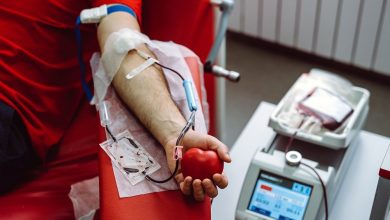
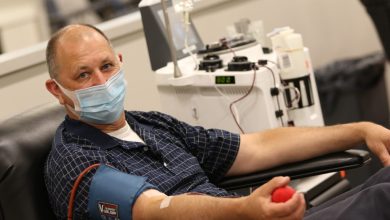
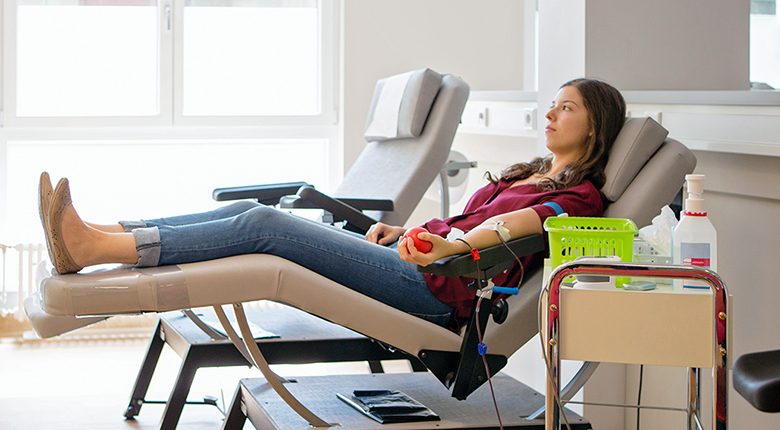
- Preparation: Donors recline in a chair while a trained technician disinfects their arm.
- Collection: Blood is drawn using a needle and collected into sterile equipment.
- Return: Red blood cells, white cells, and platelets are returned to the donor’s bloodstream, while plasma is extracted.
This entire process lasts around 45 minutes to an hour, allowing most donors to fit it comfortably into their day. The knowledge that one’s plasma can create monumental change only fuels further motivation.
What Happens to Your Plasma After Donation?
Following a donation, plasma embarks on a journey with significant implications for healthcare. Donors should take comfort in knowing their contributions aren’t merely stored; they are put to immediate and crucial medical use.
The plasma typically undergoes fractionation into various components, each designated for specific treatments, including:
- Immunoglobulins: Utilized to treat immunodeficiencies.
- Albumin: Aids in restoring blood volume for patients experiencing shock or burns.
- Clotting factors: Essential for individuals suffering from hemophilia.
Once processed, these components are dispatched to hospitals and clinics, playing critical roles in patient care. Understanding this trajectory empowers donors, illustrating how their acts of giving yield immediate, life-altering results for those facing health challenges.
Tangible Rewards: Why Donating Plasma is Worth Your Time
Compensation and Other Incentives for Donors
While the selfless nature of plasma donation is undeniable, it’s also crucial to acknowledge the tangible rewards that come with it. Financial compensation is a significant incentive for many. Most plasma centers, including those in Glassboro, offer monetary rewards to honor the time and commitment that donors invest in the process.
Alongside the financial aspect, many donors report a revitalized sense of purpose. The satisfaction of making a positive change in another person’s life is invaluable. Additionally, there are both physical and psychological health benefits for those who donate:
- Health Screenings: Regular donations come with health assessments, keeping donors informed about their health status.
- Plasmapheresis Benefits: This process can enhance circulation and promote overall well-being.
- Community Connection: Engaging with fellow donors fosters a sense of belonging.
These tangible and intangible rewards create a compelling narrative. Donation isn’t solely about financial compensation; it intertwines with community, personal health, and hope for those in need.
How Your Contribution Can Impact Research and Patient Care
In addition to aiding local patients, plasma donations are essential for medical research and the creation of new therapies. Each contribution provides vital materials for studies aimed at refining treatments for chronic, debilitating conditions. Research facilities frequently utilize plasma to evaluate new drugs and therapies, providing invaluable insights that could culminate in medical breakthroughs.
Moreover, having a steady supply of plasma ensures research initiatives remain unwavering, preventing stagnation due to resource shortages. Numerous contemporary therapies, particularly in immunology and regenerative medicine, heavily depend on donated plasma to progress further.
Comprehending this context enables donors to appreciate their dual role—immediate support for patient care and active participation in health advancements. They are indeed helping to shape the future of medicine.
Join the Movement: Getting Involved in Glassboro’s Donation Community
Local Resources for First-Time Donors at ABO Plasma
Individuals eager to make a life-altering impact through plasma donation in Glassboro, NJ will find local resources invaluable. ABO Plasma offers a warm invitation to first-time donors, presenting clear guidelines and assistance through each stage of the process. Initial concerns or fears are often alleviated during orientation sessions.
Additionally, prospective donors can access comprehensive information on the ABO Plasma website or reach out by phone for direct assistance. Here are some useful resources:
- Guidelines for Donors: Comprehensive instructions on eligibility and preparation for donation.
- Scheduling Appointments: Online booking systems help streamline finding a convenient time.
- FAQs: A section dedicated to frequently asked questions can resolve common uncertainties.
The emphasis on donor education cultivates a welcoming atmosphere. New donors are encouraged to voice their queries, helping to alleviate any initial reservation.
Real Stories: Donor Experiences in Glassboro
Hearing firsthand accounts from donors can inspire those considering the leap into donating. Numerous stories from locals illustrate the tremendous impact their contributions have had, demonstrating how plasma donation positively affects both their lives and those of recipients. One donor noted that after only a handful of donations, they uncovered a newfound sense of purpose and community that had previously eluded them.
Others highlight the sheer joy of knowing they aid patients in their recovery, all the while praising the professionalism and compassion displayed by the staff. Donor testimonials reflect a nurturing environment characterized by mutual respect. This creates a thriving culture of generosity in Glassboro, where each donor feels appreciated and valued.
Ultimately, engaging in plasma donation transcends mere philanthropy; it connects individuals to a deeper sense of purpose and community, generating positive change with each appointment.
FAQ
What are the eligibility requirements for donating plasma?
Eligibility criteria can differ, but generally, donors must be at least 18 years old, weigh over 110 pounds, and successfully pass a health screening. ABO Plasma provides detailed guidelines to help individuals grasp the safety protocols before they donate.
How often can someone donate plasma?
On average, donors are eligible to give plasma every 28 days. Many centers, including those in Glassboro, utilize systems to monitor frequency to ensure donor health is maintained alongside their charitable contributions.
Is the donation process safe and hygienic?
Absolutely. Plasma donation facilities follow stringent safety protocols, employing sterilized equipment and trained personnel. Each step of the process is meticulously designed to protect donors while ensuring a clean experience.
What kind of compensation can donors expect?
Compensation can vary, but donors often receive monetary rewards for each donation, along with potential bonuses for consistent donors. These rewards not only acknowledge the time commitment but also encourage regular participation.
How does donating plasma impact a donor’s health?
Donating plasma may lead to various health advantages, including regular health assessments that track blood pressure and hemoglobin levels. Many donors also report enhanced circulation and a greater sense of well-being post-donation.
Are there specific health conditions that require plasma donations?
Yes, conditions such as immunodeficiencies, severe burn injuries, and clotting disorders like hemophilia critically rely on plasma donations. Receiving plasma products can greatly enhance the quality of life for patients facing these health challenges.
What happens during the health screening before donation?
The health screening is a quick process that assesses vital signs, including blood pressure and hemoglobin levels, along with inquiries about medical history. This ensures that donors are prepared to donate plasma while decreasing potential risks.
How does plasma donation impact medical research?
Plasma is indispensable for driving forward medical research, supplying essential materials for the development of new treatments. Each donation supports the initiative to discover more effective therapies for chronic health issues, ensuring ongoing advancements in healthcare.
Useful Resources
- American Red Cross – Blood Donation
- Plasma Alliance
- America’s Blood Centers
- Blood Centers of America
- Better Business Bureau – Donating Plasma
- Plasma Protein Therapeutics Association
- World Health Organization – Blood Safety
- Centers for Disease Control and Prevention – Blood Donation
- National Heart, Lung, and Blood Institute