Smart Storage On Demand: Why Renting Shipping Containers Is Changing The Way People Manage Space
Why Shipping Container Rentals Are Gaining Attention
Shipping containers have quietly become one of the most practical storage and logistics solutions available today. Originally designed for transporting goods across oceans, they have found a second life in construction, retail, and even residential settings. Their durability and versatility make them appealing for anyone who needs secure space without committing to permanent structures.
In recent years, renting has emerged as the preferred option for many users. Instead of investing in a container outright, businesses and individuals are choosing flexible arrangements that match their timelines. This shift reflects a broader trend toward on demand solutions, where convenience and adaptability often matter more than ownership.
Flexibility that fits changing needs
One of the biggest advantages of renting is the ability to adjust as needs evolve. A construction project might require storage for a few months, while an event organizer may only need space for a few weeks. Renting allows users to scale up or down without being tied to a long term asset.
This flexibility is especially valuable in industries where demand fluctuates. Instead of worrying about underused equipment, renters can simply return the container when it is no longer needed. This approach reduces both financial and logistical pressure.
Cost considerations and upfront savings
Buying a shipping container can be a significant investment, particularly for new or small businesses. Renting eliminates the need for a large upfront payment, making it more accessible. Monthly rental fees are often easier to manage within a budget.
In addition to the purchase price, ownership comes with maintenance and transportation costs. Renting typically includes support services, which can simplify the overall experience. For many users, the financial predictability of renting is a major advantage.
Renting vs Buying: Understanding the Tradeoffs
Choosing between renting and buying depends on how the container will be used. Both options have their benefits, but they serve different types of needs. Understanding these differences helps users make more informed decisions.
For short term or temporary projects, renting is often the more practical choice. Long term or permanent uses may lean toward ownership, but even then, flexibility can still play a role.
When renting makes the most sense
Renting is ideal for situations where the timeline is uncertain or limited. Construction sites, seasonal businesses, and temporary storage needs all fall into this category. Users can access the space they need without long term commitment.
Another benefit is the ability to upgrade or change container types. If requirements shift, renters can switch to a different size or configuration. This adaptability is difficult to achieve with owned units.
When buying might be worth considering
Buying a container can make sense for long term use. If a business relies on consistent storage or plans to modify the container permanently, ownership may offer more control. Over time, it can also become more cost effective.
However, ownership requires careful planning. Maintenance, transportation, and storage when not in use all become the responsibility of the owner. These factors should be weighed against the convenience of renting.
Common Uses for Rental Shipping Containers
Shipping containers are used in a wide variety of settings. Their strength and portability make them suitable for both industrial and everyday applications. Renting expands access to these benefits without requiring long term commitment.
From construction sites to personal storage, containers provide a reliable solution for managing space. Their versatility continues to drive demand across different industries.
Construction and job site storage
Construction projects often require secure storage for tools, materials, and equipment. Containers offer a durable and weather resistant option that can be placed directly on site. This reduces the need for offsite storage and improves efficiency.
Renting is particularly useful for projects with defined timelines. Once the work is completed, the container can be removed without leaving behind permanent infrastructure. This keeps the site clean and organized.
Business and retail applications
Businesses use containers for inventory storage, pop up shops, and even mobile offices. Their modular design allows for creative adaptations that suit different needs. Renting provides a low risk way to experiment with these uses.
For seasonal businesses, containers offer a practical solution for managing inventory. They can be brought in during busy periods and removed when demand decreases. This flexibility helps businesses stay agile.
Personal and residential storage
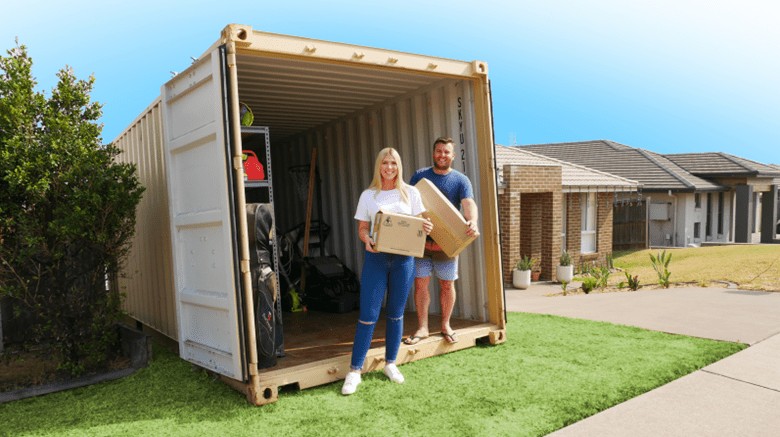
Homeowners also benefit from container rentals. Whether during a move, renovation, or decluttering project, containers provide additional space when it is needed most. They can be delivered directly to the property for easy access.
This convenience makes them an attractive alternative to traditional storage units. Having storage on site allows for better organization and quicker access to belongings. It also reduces the need for repeated trips to a separate facility.
What to Expect When Renting a Shipping Container
Renting a container is generally a straightforward process, but understanding the details can help avoid surprises. From selecting the right size to arranging delivery, each step plays a role in the overall experience.
Knowing what to expect also helps users choose the right provider. Clear communication and reliable service are key factors in a successful rental.
Choosing the right size and type
Shipping containers come in various sizes, with 20 foot and 40 foot options being the most common. The choice depends on how much space is needed and what will be stored. Smaller containers are easier to place, while larger ones offer more capacity.
Some containers are also modified for specific uses. This might include ventilation, shelving, or climate control features. Understanding these options helps ensure the container meets the intended purpose.
Delivery, placement, and accessibility
Delivery is an important part of the rental process. Containers are typically transported by truck and placed at the desired location. Access to the site and ground conditions can affect how easily this is done.
Proper placement ensures that the container is both stable and accessible. Users should consider how often they will need to access the contents and plan accordingly. A well positioned container makes daily use much more convenient.
Key Features That Make Containers Reliable
Shipping containers are built to withstand harsh conditions, which makes them highly reliable for storage and transport. Their design prioritizes strength, security, and longevity. These features are a major reason they are so widely used.
Even when rented, these qualities remain consistent. Users can rely on containers to protect their belongings in a variety of environments.
Durability and weather resistance
Containers are made from strong steel that can handle heavy loads and extreme weather. Rain, wind, and temperature changes have minimal impact on their structure. This makes them suitable for both indoor and outdoor use.
Their sealed design also helps keep contents dry and secure. This is especially important for items that need protection from the elements. Durability is one of the main reasons containers are trusted for storage.
Security and peace of mind
Security is another key advantage. Containers are designed with lockable doors and solid construction, making them difficult to access without permission. This provides peace of mind for users storing valuable items.
Additional security features can also be added if needed. These may include advanced locks or monitoring systems. Renting does not limit the ability to enhance security based on specific requirements.
Making the Most of a Rental Experience
Getting the most out of a container rental involves more than just choosing the right unit. Planning, organization, and communication all contribute to a smoother experience. A little preparation can go a long way.
By understanding how to use the space effectively, renters can maximize value and efficiency. This is especially important for projects with tight timelines.
Organizing space for efficiency
Proper organization makes a big difference in how useful a container becomes. Shelving, labeling, and strategic placement of items can improve accessibility. This reduces time spent searching for tools or materials.
Keeping frequently used items near the front can also save effort. A well organized container functions more like a workspace than just a storage unit. This enhances overall productivity.
Working with reliable providers
Choosing a reliable provider is essential for a positive experience. Clear communication, timely delivery, and responsive support all contribute to a smooth process. These factors can make a noticeable difference.
When looking for shipping containers to rent, it helps to ask questions about terms, maintenance, and support services. A trustworthy provider will offer clear answers and guidance. This builds confidence and ensures a better overall experience.
Looking Ahead at the Future of Container Rentals
The demand for flexible storage solutions is likely to continue growing. As industries evolve and space becomes more valuable, container rentals offer a practical and adaptable option. Their versatility positions them well for future use.
Innovations in design and technology may further expand their applications. From smart monitoring systems to more specialized configurations, containers are becoming even more useful.
Expanding uses across industries
New industries are finding creative ways to use containers. From temporary offices to modular housing, the possibilities continue to grow. Renting allows users to explore these options without long term commitment.
This adaptability makes containers a valuable resource in a changing world. As needs shift, they can be repurposed and reused in different ways. This flexibility is a key part of their appeal.
A practical solution for modern needs
At its core, container rental is about solving problems efficiently. It provides space where it is needed, when it is needed, without unnecessary complexity. This simplicity is part of what makes it so effective.
As more people discover the benefits, container rentals are likely to become even more common. Whether for business or personal use, they offer a straightforward way to manage space in a flexible and reliable manner.