The Essential Guide To Plasma Centers: Everything You Need To Know

The Importance of Plasma Donation
Plasma donation is a crucial process that has the potential to save lives and improve the health of individuals around the world. By understanding the importance of plasma donation, individuals can make informed decisions and contribute to this life-saving endeavor.
1. Saving Lives Through Plasma Donation
One of the primary reasons for the importance of plasma donation is its ability to save lives. Plasma, the liquid component of blood, contains essential proteins, antibodies, and clotting factors that are used to treat a variety of medical conditions, including immune deficiencies, bleeding disorders, and trauma injuries. For individuals with these conditions, access to plasma-derived therapies is essential for their survival and quality of life.
Through plasma donation, individuals can help meet the growing demand for these vital therapies. Each plasma donation can be used to create multiple therapeutic treatments, providing opportunities to positively impact the lives of numerous patients.
2. The Science Behind Plasma and its Life Saving Potential
Plasma, often referred to as the “liquid gold,” plays a critical role in maintaining the health and functioning of our bodies. Comprising approximately 55% of our blood, plasma carries nutrients, hormones, and waste products throughout the body, and helps regulate body temperature and pH balance. It also contains crucial proteins such as immunoglobulins, albumin, and clotting factors, which are essential for various bodily functions.
These proteins are also used to develop plasma-derived therapies, which are used to treat a wide range of medical conditions such as immune disorders, hemophilia, and burns. The scientific advancements in plasma fractionation and the development of recombinant technologies have significantly expanded the potential uses of plasma-derived therapies, improving outcomes for patients worldwide.
3. How Plasma Centers are Addressing the Global Demand for Plasma
The demand for plasma and plasma-derived therapies continues to rise globally due to the increasing prevalence of medical conditions that require these treatments. Plasma centers play a vital role in meeting this demand.
Plasma centers, also known as plasma donation centers, are specialized facilities where individuals can donate plasma. These centers follow stringent quality and safety regulations to ensure the safety of both donors and recipients of plasma-derived therapies. They employ trained medical professionals who guide donors through the donation process, ensuring a safe and efficient experience.
To address the global demand for plasma, plasma centers have implemented various strategies. These include expanding their donor base, conducting targeted awareness campaigns, and establishing partnerships with healthcare organizations to promote plasma donation. Additionally, advancements in technology and automation have improved the efficiency of plasma collection, ensuring that more plasma can be collected to meet the growing need.
The Process of Plasma Donation
Understanding the process of plasma donation is essential for individuals considering becoming plasma donors. By familiarizing themselves with the steps involved, potential donors can feel confident in their decision and contribute to the life-saving process.
1. Step-by-Step Guide to Donating Plasma
The process of donating plasma typically involves several steps, starting with the donor checking in at the plasma center and providing identification. After completing a medical history questionnaire, donors undergo a thorough screening process, which includes vital sign measurements, physical examination, and laboratory tests to ensure eligibility.
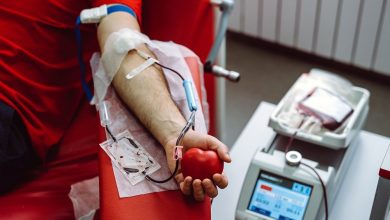
Once approved, donors are prepared for the plasma collection process. This involves a trained medical professional inserting a sterile needle into a vein in the arm, through which blood is drawn and passed through a specialized machine called a plasmapheresis machine. This machine separates the plasma from the other components of the blood, collecting the plasma while returning the remaining blood components back to the donor’s circulation.
The plasma collection process typically takes about 60-90 minutes, during which donors may be able to relax, read, or listen to music. After the collection is complete, donors are provided with refreshments to replenish fluids and are observed for a short period to ensure they are feeling well before leaving the center.
2. Understanding the Screening and Eligibility Requirements
As part of the donation process, plasma centers have specific screening and eligibility requirements to ensure the safety and suitability of donors and the collected plasma. These requirements typically include age restrictions, weight limits, and health assessments.
The screening and eligibility process may also involve testing for infectious diseases, such as HIV, hepatitis, and syphilis, to minimize the risk of transmitting these conditions through the donated plasma. Donors are also required to disclose any recent travel to areas with a higher risk of infectious diseases.
It’s important for potential donors to be aware of the screening and eligibility requirements of their specific plasma center. By meeting these requirements, individuals can safely contribute to the plasma supply and make a positive impact on the lives of others.
3. The Benefits and Potential Side Effects of Plasma Donation
Plasma donation offers numerous benefits to both donors and recipients. For donors, the act of plasma donation provides an opportunity to help others in need and make a difference in their communities. Additionally, many plasma centers offer incentives and rewards to donors to express gratitude for their contribution.
However, it’s important to be aware of potential side effects that may occur after plasma donation. The most common side effects include dizziness, fatigue, and lightheadedness. These symptoms usually resolve quickly and can be mitigated by adequate rest, hydration, and nourishment. Plasma centers prioritize the well-being of their donors and have trained medical staff available to address any concerns or complications that may arise.
Choosing the Right Plasma Center
When considering plasma donation, choosing the right plasma center is crucial. Selecting a reputable and safe plasma center ensures a positive donation experience and contributes to the overall success of the plasma donation process.
1. What to Look for in a Reputable Plasma Center
When researching plasma centers, several factors should be considered to identify a reputable one. First and foremost, the center should be licensed and comply with all relevant regulations and guidelines. This ensures that the center is operating in accordance with industry standards and prioritizes the safety of donors and recipients.
Additionally, a reputable plasma center should have a transparent and efficient donation process. This includes clear communication regarding eligibility requirements, the donation process, and any incentives or rewards offered to donors.
Donor feedback and reviews can also provide valuable insights into the quality of a plasma center. Reading reviews from other donors can help gauge the center’s professionalism, cleanliness, and overall donor experience.
2. The Importance of Safety and Sanitation in Plasma Centers
Safety and sanitation are paramount in plasma centers. To ensure the well-being of donors and recipients, plasma centers follow strict protocols for cleanliness and infection control. Donors should expect to see medical professionals wearing appropriate personal protective equipment (PPE) and sterile equipment being used during the donation process.
Centers may also employ specialized cleaning practices and maintain rigorous hygiene standards to minimize the risk of infectious diseases. Donors should feel comfortable and confident in the sanitary conditions of the center.
3. How Plasma Center Incentives and Rewards Benefit Donors
Plasma centers often offer incentives and rewards to appreciate donors and foster long-term commitment to plasma donation. These incentives can vary but may include compensation for time, special promotions, gift cards, or branded merchandise.
Donors should consider the incentives and rewards offered by plasma centers when choosing where to donate. While the act of plasma donation itself is inherently altruistic, these additional benefits can add value to the overall experience and may influence a donor’s decision to continue supporting plasma centers.
The Impact of Plasma Donation on the Donor and the Community
Plasma donation not only has a significant impact on the recipients of plasma-derived therapies but also on the donors themselves and the communities they belong to. Understanding this impact can inspire individuals to become plasma donors and support this life-saving cause.
1. The Personal Rewards of Donating Plasma
Donating plasma brings personal rewards to the donors that extend beyond the physical act of giving. By donating plasma, individuals have the satisfaction of knowing that they are making a positive impact on the lives of others, potentially saving lives and improving health outcomes.
In addition to this sense of fulfillment and purpose, many donors also report feeling a sense of camaraderie and belonging within the plasma donation community. Sharing a common goal of helping others creates a bond among donors, fostering a supportive environment that enhances the overall donor experience.
2. How Donated Plasma is Used to Treat Patients with Various Medical Conditions
Donated plasma is a vital resource for patients with a wide range of medical conditions. Plasma-derived therapies derived from donated plasma are used to treat individuals with immune deficiencies, such as primary immunodeficiency disorders or autoimmune diseases. These therapies provide the necessary antibodies and proteins to support the immune system and improve overall health.
Plasma is also crucial for individuals with bleeding disorders, such as hemophilia, where the clotting factors present in plasma help prevent excessive bleeding and promote healing. Additionally, trauma patients often require large amounts of plasma to replace blood loss and stabilize their condition.
By donating plasma, individuals contribute directly to the well-being and health of patients battling various medical conditions, providing them with hope for a better quality of life.
3. The Global Influence of Plasma Donation: A Sustainable Solution
Plasma donation has a global impact, with the potential to address healthcare challenges on a large scale. As the demand for plasma-derived therapies continues to rise, it is crucial to develop a sustainable solution.
By donating plasma, individuals can play an active role in meeting this global demand. The plasma collected from donors goes through a meticulous process of testing, fractionation, and preparation, ensuring that it is safe and effective for use in the production of plasma-derived therapies. This process requires ongoing altruistic contributions from individuals who recognize the importance of plasma donation.
Furthermore, plasma centers collaborate with healthcare organizations and regulatory bodies to ensure the responsible and ethical collection and distribution of plasma. Together, a sustainable solution is created, benefiting patients worldwide.
In conclusion, plasma donation is a crucial and life-saving process. By understanding the importance of plasma donation, the process involved, and the impact it has on both donors and recipients, individuals can contribute to this noble cause. Choosing the right plasma center, considering safety and sanitation, and recognizing the global influence of plasma donation are essential factors in supporting a sustainable solution and making a significant difference in the lives of others.
FAQ
Question: What are plasma-derived therapies? – Plasma-derived therapies are treatments made from the proteins, antibodies, and clotting factors found in plasma. They are used to treat various medical conditions such as immune deficiencies, bleeding disorders, and trauma injuries.
Question: How do plasma centers address the global demand for plasma? – Plasma centers play a vital role in meeting the global demand for plasma by expanding their donor base, conducting targeted awareness campaigns, and improving the efficiency of plasma collection through advancements in technology and automation.
Question: What are the steps involved in the process of plasma donation? – The process of donating plasma typically involves checking in at the plasma center, completing a medical history questionnaire, undergoing screening tests, having plasma collected through a plasmapheresis machine, and being observed for a short period before leaving the center.
Question: What are the screening and eligibility requirements for plasma donation? – Plasma centers have specific screening and eligibility requirements that may include age restrictions, weight limits, health assessments, and testing for infectious diseases. Donors are also required to disclose recent travel to areas with a higher risk of infectious diseases.
Question: Are there any potential side effects of plasma donation? – The most common side effects of plasma donation include dizziness, fatigue, and lightheadedness. These symptoms typically resolve quickly and can be managed with rest, hydration, and nourishment. Plasma centers have trained medical staff available to address any concerns or complications.
Question: What should I look for in a reputable plasma center? – Reputable plasma centers should be licensed, have a transparent and efficient donation process, and prioritize donor and recipient safety. It is also helpful to consider donor feedback and reviews to gauge the professionalism and cleanliness of the center.
Question: How do plasma centers ensure safety and sanitation? – Plasma centers follow strict protocols for cleanliness and infection control. Medical professionals wear appropriate personal protective equipment (PPE), and sterile equipment is used during the donation process. Centers also maintain rigorous hygiene standards to minimize the risk of infectious diseases.
Question: What are the personal rewards of donating plasma? – Donating plasma brings personal rewards, including the satisfaction of making a positive impact on the lives of others, a sense of fulfillment and purpose, and a feeling of camaraderie within the plasma donation community.
Useful Resources:
- American Red Cross – Plasma Donation
- S. Food and Drug Administration – Donating Plasma
- Plasma Protein Therapeutics Association
- Donating Plasma – Information and Resources
- Centers for Disease Control and Prevention – Blood Donation Process
- Donating Plasma – Donor Health Information
- Canadian Blood Services – Eligibility Criteria for Donation
- AABB – About Plasma and Plasma Components