Moving Forward: Mastering Water Damage Restoration For Resilient Renewal
1. Causes and Prevention of Water Damage
Water damage is a common issue that homeowners in Kansas City may face at some point. It can be caused by a variety of factors, including natural disasters, plumbing leaks, faulty appliances, and poor drainage systems. Understanding the common causes of water damage is essential for prevention and timely intervention.
1.1 Understanding the Common Causes of Water Damage
One of the most prevalent causes of water damage is flooding, which can occur due to heavy rainfall or overflowing rivers. Burst pipes and leaking plumbing fixtures are another common culprit. Additionally, household appliances such as washing machines, dishwashers, and water heaters can malfunction and cause water damage if not properly maintained.
Another overlooked cause of water damage is poor ventilation. Without adequate airflow, moisture can accumulate, leading to mold growth and potential water damage in the long run. It’s crucial to address any signs of moisture or condensation in your home promptly to prevent further issues.
1.2 How to Prevent Water Damage in Your Home
While it may not be possible to prevent all types of water damage, there are steps you can take to minimize the risk significantly. Regular maintenance of your plumbing system is essential. This includes checking for leaks, insulating exposed pipes to prevent freezing, and replacing worn-out fittings and seals.
Installing a sump pump can also be beneficial, especially if you live in an area prone to flooding. A sump pump helps remove excess water from your basement, reducing the risk of water damage. Additionally, ensuring proper ventilation and addressing any moisture issues promptly can help prevent mold growth and subsequent water damage.
2. Assessing the Extent of Water Damage
When water damage occurs in your home, it is crucial to assess the extent of the damage accurately. This assessment will not only help you understand the severity of the situation but also assist in developing an appropriate water restoration Kansas City plan.
2.1 Signs that Your Home has Suffered Water Damage
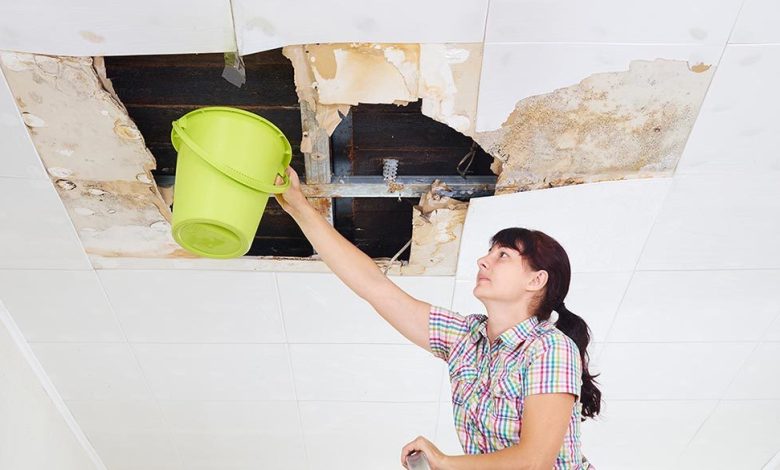
Identifying the signs of water damage early can save you from extensive repairs and costly restoration. Some common signs include water stains on walls or ceilings, musty odors, peeling paint or wallpaper, warped or buckled flooring, and visible mold growth.
It’s essential to investigate the source of the water damage to pinpoint the root cause and prevent further issues. This may involve inspecting plumbing fixtures, checking for leaks, or hiring a professional to assess the situation thoroughly.
2.2 Importance of Hiring a Professional for Water Damage Assessment
While you may be tempted to assess the extent of water damage yourself, hiring a professional for an accurate assessment is highly recommended. Water damage can be deceptive, and there may be hidden areas that are affected but not immediately visible.
A professional water damage restoration company will have the expertise and equipment to detect and measure the moisture levels in different materials such as walls, floors, and furniture. This comprehensive assessment ensures that all areas of water damage are identified and addressed during the restoration process.
2.3 Understanding the Different Levels of Water Damage
Water damage is categorized into different levels based on the extent and severity of the damage. Understanding these levels can help you gauge the necessary steps for restoration and the potential risks involved.
Level 1 water damage involves minimal water absorption and affects only a small area. Typically, the materials affected are non-porous and easy to clean and restore. Examples include a small leak from a plumbing fixture or an overflowing sink.
Level 2 water damage affects a larger area and may involve porous materials such as carpets and drywall. The water may have soaked into these materials, requiring more extensive drying and restoration techniques.
Level 3 water damage is the most severe, usually caused by flooding or long-term leaks. It affects the entire area of a room, including walls, ceilings, and structural components. In such cases, professional intervention is crucial to prevent further structural damage and mold growth.
3. Restoring Water Damage: DIY vs Professional Services
Once you’ve assessed the extent of water damage, you might be tempted to handle the restoration process yourself. While DIY restoration can be cost-effective, it may not always be the best option, especially for moderate to severe water damage incidents.
3.1 Pros and Cons of DIY Water Damage Restoration
One of the main advantages of DIY water damage restoration is the potential cost savings. By managing the process yourself, you can avoid paying for professional services. Additionally, DIY restoration allows you to have full control over the timeline and process.
However, DIY restoration has its limitations. While you may be able to handle minor water damage incidents, more extensive damage requires specialized equipment and expertise. Without the necessary knowledge and tools, you may inadvertently cause further damage or fail to identify hidden issues.
3.2 The Benefits of Hiring a Professional Water Damage Restoration Company
Professional water damage restoration companies have the experience, training, and equipment to handle even the most complex restoration projects. Here are some benefits of hiring professionals:
- Expertise: Professionals have in-depth knowledge of water damage restoration techniques and can quickly assess and mitigate the damage.
- Efficiency: With their specialized equipment and techniques, professionals can expedite the restoration process, minimizing downtime and disruption in your home.
- Preventing Mold Growth: Professionals understand the importance of addressing moisture effectively to prevent mold growth. They have the necessary tools to detect hidden moisture and ensure thorough drying.
- Insurance Claims Assistance: In case your water damage is covered by insurance, a professional restoration company can help you navigate the claims process and ensure you receive fair compensation.
4. Water Damage Restoration Process Explained
The water damage restoration process involves several steps to completely address the damage and restore your home to its pre-damaged condition.
4.1 Steps involved in Water Damage Restoration
The restoration process typically involves the following steps:
- Inspection and Assessment: Professionals will thoroughly inspect your property to assess the extent of the damage and create a restoration plan.
- Water Extraction: Standing water is removed using industrial-grade pumps and vacuums.
- Drying and Dehumidification: High-powered fans and dehumidifiers are used to remove moisture from the affected areas, ensuring thorough drying.
- Cleaning and Sanitization: All salvageable items are cleaned and sanitized to prevent future mold growth and odors.
- Repairs and Restoration: Damaged materials such as drywall, flooring, or carpeting will be repaired or replaced to restore your home to its pre-damaged condition.
- Mold Remediation: If mold is present, professionals will conduct mold remediation to eliminate any potential health hazards.
- Final Inspection: Once the restoration process is complete, a final inspection is conducted to ensure everything has been addressed effectively.
4.2 Drying and Dehumidification: Key Stages in the Restoration Process
Proper drying and dehumidification are crucial stages in the water damage restoration process. These steps ensure that all moisture is effectively removed, minimizing the risk of mold growth and further damage.
High-powered fans are strategically placed to promote airflow and enhance drying. Dehumidifiers help extract moisture from the air, reducing humidity levels and accelerating the drying process. Monitoring the moisture levels throughout these stages is essential to ensure thorough drying.
4.3 Understanding the Importance of Mold Remediation
Mold can begin to grow within 24-48 hours after water damage occurs. Therefore, addressing mold growth is a critical aspect of the water damage restoration process. Mold remediation involves identifying and removing mold contamination to ensure a clean and safe environment.
Professionals use various methods such as containment protocols, air filtration, and specialized cleaning agents to eliminate mold and prevent its recurrence. Thorough mold remediation is essential to protect the health of you and your family, as exposure to mold can cause respiratory issues and other health problems.
Conclusion
Water damage in Kansas City can be a significant challenge for homeowners. Understanding the causes of water damage, taking preventive measures, and promptly addressing any signs are crucial steps to protect your home and prevent further damage. While DIY restoration may be feasible for minor incidents, hiring a professional water damage restoration company offers numerous benefits, including expertise, efficiency, and the prevention of mold growth. The restoration process involves several steps, from initial inspection to mold remediation, and it is essential to ensure thorough drying and dehumidification throughout the process. By following this comprehensive guide, you can tackle water damage effectively and restore your home to its pre-damaged condition.
FAQ
Question: What are the common causes of water damage? – Water damage can be caused by natural disasters, plumbing leaks, faulty appliances, and poor drainage systems.
Question: How can I prevent water damage in my home? – To prevent water damage, regular maintenance of plumbing systems, installing a sump pump, ensuring proper ventilation, and addressing moisture issues promptly is recommended.
Question: What are the signs of water damage? – Signs of water damage include water stains, musty odors, peeling paint, warped flooring, and visible mold growth.
Question: Why is it important to hire a professional for water damage assessment? – Hiring a professional for water damage assessment is recommended as they have the expertise to detect hidden damage that may not be immediately visible.
Question: What are the different levels of water damage? – Water damage is categorized into different levels based on the extent and severity of the damage. Level 1 involves minimal water absorption and affects a small area, while Level 3 is the most severe and affects the entire area of a room.
Question: Should I attempt DIY water damage restoration? – DIY water damage restoration may be cost-effective, but professionals have the equipment and expertise for efficient restoration and preventing mold growth.
Question: What are the steps involved in the water damage restoration process? – The water damage restoration process involves inspection, water extraction, drying, cleaning, repairs, and mold remediation.
Question: Why is mold remediation crucial in the restoration process? – Mold remediation is crucial to eliminate mold and prevent health hazards associated with mold exposure.
Useful Resources:
- FEMA – Federal Emergency Management Agency
- EPA – U.S. Environmental Protection Agency
- USGS – U.S. Geological Survey
- IICRC – The Institute of Inspection, Cleaning, and Restoration Certification
- CDC – Centers for Disease Control and Prevention: Mold
- NFPA – National Fire Protection Association
- National Water Service Network
- Plumbing Professors