Let The Light In: Your Expert Resource For Home Window Replacement
Key Takeaways:
- Quality windows enhance aesthetics and energy efficiency, elevating a home’s curb appeal and property value.
- Energy-efficient windows reduce utility bills by preventing air leaks and minimizing thermal transfer.
- Different window styles, such as casement, sliding, and double-hung, offer unique benefits tailored to architectural needs.
- Window materials—wood, vinyl, and fiberglass—each have distinct advantages regarding maintenance, insulation, and cost.
- The window replacement process involves consultation, custom ordering, and a professional installation stage.
- Choosing a reputable contractor is crucial for quality installation; thorough research and multiple quotes are recommended.
- Regular maintenance, including cleaning and seasonal checks, is essential for prolonging window performance and appearance.
- Utilizing simple cleaning hacks and preparing windows for seasonal changes helps maintain their integrity and efficiency.
Understanding the Impact of Quality Windows on Your Home’s Aesthetics and Energy Efficiency
Why Windows Are the Unsung Heroes of Your Home’s Design
When contemplating a home renovation, windows are often overlooked in favor of more visually prominent features. However, quality windows are not just functional elements; they play a pivotal role in defining your home’s aesthetic appeal. The right windows can dramatically enhance the architectural style of your home, providing character and charm that draw the eye and elevate the entire facade. Windows come in various forms, from traditional double-hung styles to contemporary picture windows, each with unique attributes that contribute to your home’s visual narrative.
Moreover, aesthetics are not limited to appearance. The quality and type of windows can impact natural light, which is crucial for creating inviting interiors. Well-placed windows can facilitate optimal natural light flow, minimizing reliance on artificial lighting and creating warm, welcoming spaces. Stylish windows can seamlessly blend indoor and outdoor environments, making your living areas feel more expansive and connected to nature. Investing in quality residential window replacement is essential as it enhances curb appeal and boosts property value, providing a solid return on investment.
The Magic of Energy Efficiency: How Modern Windows Can Slash Your Bills
Energy efficiency is a crucial aspect of modern window design that can lead to substantial cost savings for homeowners. Traditional windows often allow for air leaks and thermal transfer, leading to significant energy loss. In contrast, today’s premium windows are engineered with advanced materials and insulation technologies to enhance energy performance. Double or triple-glazed windows, for instance, feature multiple panes separated by insulating gas, which dramatically reduces heat transfer and keeps your home comfortable year-round.
By investing in energy-efficient windows, homeowners can see their utility bills decrease significantly, especially in extreme weather conditions. Moreover, quality windows contribute to a reduced carbon footprint, aligning with the increasing demand for sustainable living solutions. Many modern windows also come with advanced coatings that reflect harmful UV rays while allowing natural light to penetrate, protecting your furniture and flooring from fading and reducing heating costs in the winter.
Choosing the Right Type of Window: A Guide to Styles, Materials, and Functionality
Exploring Window Styles: From Classic Casement to Sleek Sliding
Choosing the right window style for your home involves balancing aesthetics with functionality. Each window style provides unique benefits and complements different architectural designs. For example, casement windows, which open outward via a crank mechanism, can achieve superior ventilation. They are ideal for hard-to-reach places since they can induce a strong airflow movement when opened, making them extremely efficient in improving indoor air quality.
On the other hand, sliding windows, often employed in modern homes, offer a sleek look that maximizes the view while allowing for effortless operation. They are particularly suitable for spaces where you have limited room to open outward, such as patios or decks. If you seek a classic touch, consider double-hung windows, which combine aesthetic charm with practicality, as both sashes can be moved up and down for ventilation. Understanding your home’s architectural style and functional needs will guide you in selecting the perfect windows to not only enhance your living space but also improve energy efficiency.
Material Matters: Wood vs. Vinyl vs. Fiberglass—What’s Best for You?
When selecting new windows, the choice of materials is one of the most critical decisions you’ll make. Each window material has its advantages and disadvantages. Wood windows are renowned for their aesthetic appeal and natural insulation properties. They can be painted or stained to match the decor of any home. However, they do require more maintenance, as they need periodic painting and sealing to fend off moisture and decay.
On the flip side, vinyl windows have gained immense popularity due to their low cost, minimal maintenance, and excellent insulation properties. They don’t warp, chip, or require painting, making them an attractive option for budget-conscious homeowners seeking durability without sacrificing efficiency. Fiberglass windows, while they may come at a higher price point, offer the best of both worlds; they provide superior insulation performance and exceptional durability, standing up to the toughest weather conditions without warping or fading. When making a choice, it’s vital to consider your budget, the climate in your region, and the level of maintenance you are willing to commit to over the years.
The Window Replacement Process: What to Expect and How to Prepare
Breaking Down the Steps: From Consultation to Installation
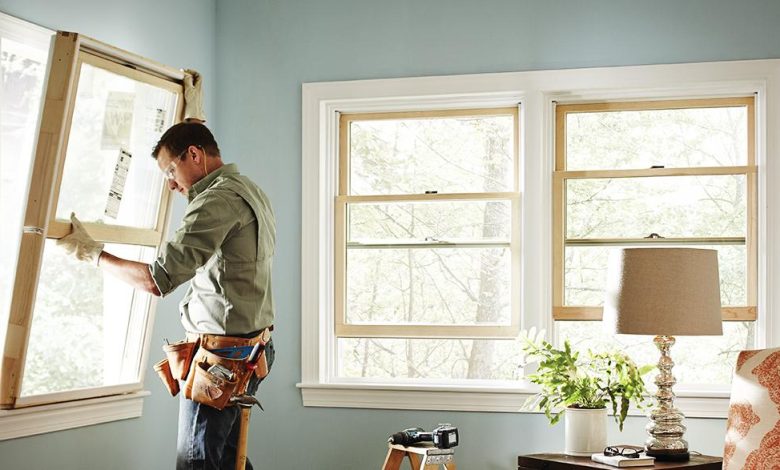
Embarking on a window replacement project can be overwhelming, but understanding the process can ease concerns. Initially, the journey begins with a consultation, where professionals assess your current windows, take measurements, and evaluate your specific needs and preferences. It’s an opportunity to discuss various options in styles and materials based on your home’s architecture and budget.
Next comes the ordering stage, where selected windows are custom-manufactured to ensure a perfect fit. Once the windows arrive, a scheduled installation date is set. The installation process involves removing the old windows, typically starting from the exterior. It’s essential to prepare your home for installation by clearing the area around the windows and ensuring easy access for the installation team. Most installations can take a day, but complex projects or larger homes may take longer. Once the installation is complete, professional teams will ensure that everything is sealed correctly and dispose of any debris, leaving your home looking pristine.
Finding the Right Professionals: Tips for Hiring a Reliable Contractor
Choosing an experienced contractor for window replacement is vital to achieving professional results. Start by conducting thorough research to identify contractors with a solid reputation and comprehensive experience in window installation. Listen to recommendations from friends and family and read online reviews to gauge past performance.
Ensure the contractor is licensed and insured, providing peace of mind during the installation process. During consultations, ask pointed questions about their process, the products they recommend, and warranties. Good contractors will be transparent about their services, timelines, and pricing. Consider obtaining multiple quotes to ensure you’re receiving fair pricing and don’t hesitate to ask for references or examples of similar projects they have completed successfully. Making an informed choice can significantly impact both the quality and longevity of your new windows.
After the Installation: Maintenance Tips for Long-Lasting Window Performance
Simple Cleaning Hacks to Keep Your Windows Sparkling
To keep your windows looking pristine and functioning optimally post-installation, regular maintenance is essential. Employing simple cleaning techniques can significantly extend the life of your windows. Start with routine checks and cleanings every few months, depending on your environment. A soft cloth and a mixture of water and mild soap are typically enough to remove dust and grime.
For tough spots or streaks, consider using a vinegar solution, which naturally cleans glass without leaving residue. For windows that are hard to reach, invest in a quality squeegee to avoid unsightly streaks and make the process more efficient. Additionally, cleaning window screens can also improve your overall view and the amount of light entering your home while maintaining the windows’ integrity. Always clean your windows on cloudy days to avoid rapid drying, which can lead to streaking.
Seasonal Checks: Preparing Your Windows for All Weather Types
Preparing your windows for the changing seasons is critical, as fluctuations in temperature and weather conditions can take their toll. Start with thorough inspections in the spring and fall, looking for any signs of wear or damage in seals and frames. Ensure that any debris or leaves around window frames are cleared to prevent moisture accumulation, which can lead to potential leaks or mold growth.
Before winter, add weatherstripping to gaps to bolster insulation and prevent drafts, as this can significantly affect your heating costs. Moreover, check your windows for any cracks before spring rains arrive. For those living in particularly storm-prone areas, consider installing storm windows to provide additional protection during inclement weather. Proper seasonal maintenance will help ensure your windows continue to perform effectively throughout the year, preserving their functionality and beauty for years to come.
FAQ
Question: How long can I expect new windows to last? – The lifespan of new windows typically ranges between 15 to 30 years, depending on the materials used and the quality of installation.
Question: Can I replace windows in my home by myself? – While DIY window replacement is possible, it requires specific skills and tools. Hiring professionals ensures proper installation and avoids potential complications.
Question: What are the benefits of energy-efficient windows beyond utility cost savings? – Energy-efficient windows improve indoor comfort by regulating temperature and reducing noise pollution, enhancing overall living conditions.
Question: Are there any specific incentives or rebates for installing energy-efficient windows? – Many regions offer tax credits or rebates for energy-efficient home improvements. Check with local utility companies or government websites for available programs.
Question: How do I choose the best window style for my home? – Consider your home’s architectural style, functionality needs, and personal preferences when selecting a window style to ensure it complements both aesthetics and performance.
Question: What factors influence the cost of window replacement? – Costs can vary based on window material, type, size, installation complexity, and whether any additional structural modifications are needed.
Question: What warranties should I look for when buying new windows? – Look for warranties that cover both the windows and the installation. A good warranty should include coverage for defects and issues arising from installation for a specified period.
Question: How can I evaluate a contractor’s reliability before hiring? – Research online reviews, ask for references, check licenses and insurance, and obtain multiple quotes to assess a contractor’s reliability and experience.