Transform Your Dream Into Reality With Expert Custom Home Builders
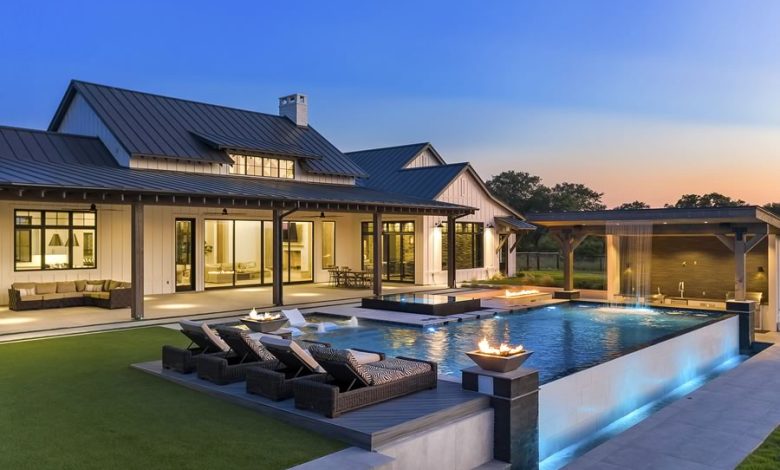
The Art of Custom Home Design: Where Imagination Meets Reality
Uncovering Your Unique Style: Inspirations from Modern Designs
When embarking on the journey to build a custom home, one of the first and most exhilarating steps is the exploration of your unique style. Modern home designs offer a plethora of inspirations, ranging from sleek minimalist aesthetics to cozy rustic charm, each embodying a distinct set of values and lifestyle philosophies. One of the newest trends is the Scandinavian design, which accentuates natural elements, clean lines, and an open, airy feel—all of which encourage serene living. It’s essential to gather ideas that resonate with your personal experiences and aspirations; platforms like Pinterest or architectural magazines serve as excellent resources. However, don’t just replicate what you see; instead, draw from these inspirations and create a narrative unique to you and your family.
Your unique style not only defines the visual aspects of your home but also influences its functionality. For instance, if you enjoy entertaining guests, you might lean toward an open-concept layout that connects the kitchen and living spaces, ensuring seamless interaction. Conversely, if you’re a fan of quiet retreats, consider incorporating nooks or cozy reading spots amidst your design. Collaborate with your custom home builder and designer to curate a home that reflects not just aesthetics but also the essence of who you are.
Blueprinting Your Dream: How to Collaborate with Designers
Collaboration with your designer is pivotal in turning your dream home into a tangible blueprint. Establishing a communication rhythm that promotes open dialogue can significantly enhance the design process. Begin by clearly outlining your expectations: what are your must-haves? What are your deal-breakers? Providing mood boards or sketches helps articulate your vision, but be prepared to adjust your ideas based on professional insights. Designers often have a wealth of knowledge about material durability, trends, and functionality that can vastly improve the utility of your spaces.
Take the opportunity to explore conceptual sketches and 3D models provided by your design team. These tools bring your vision to life, allowing you to visualize everything from room proportions to light plays in different areas of the home. Remember, a custom build isn’t a one-size-fits-all solution; take the time to iterate on designs, paying attention to how each proposed element aligns with your vision. A competent designer will also facilitate this process by introducing materials, colors, and layouts you might not have considered, thus making your dream home richer in detail and functionality.
Maximizing Functionality: Smart Layouts for Every Lifestyle
Maximizing functionality in a custom home is akin to crafting a tailored suit—it needs to fit your lifestyle perfectly. Begin by assessing your daily routines and how your home can enhance them. Families with children might require flexible spaces that can adapt to changing needs, such as play areas that can transition into study spaces. Conversely, if you’re a working professional, creating a designated home office that caters to productivity while also being aesthetically pleasing can greatly benefit your workflow.
Innovative design approaches, like the concept of ‘zoning,’ can also be beneficial. This involves creating distinct areas within your home for various activities. For example, consider a serene reading nook separated from a vibrant entertainment room. Such layouts foster both tranquility and social engagement, serving a larger holistic lifestyle. By working closely with your builders and designers, you can ensure that each room serves its purpose efficiently, avoiding wasted space while maximizing usability—a key aspect of modern living.
Navigating the Custom Home Building Process: A Guide to Seamless Construction
From Conception to Completion: Understanding Each Phase
The journey of custom home building is generally composed of several interconnected phases, each requiring attention to detail and strategic planning. The first phase involves conceptualization, where your ideas take shape through discussions with architects and designers. This stage entails not just determining aesthetics but also understanding zoning and land use regulations specific to Calgary, which can influence your building envelope and design freedom.
Once the design is finalized and construction permits are obtained, the next phase is ground-breaking. This is where the foundation is laid, literally. It is essential to choose high-quality materials during this phase, as a solid foundation sets the backbone for your entire structure. Following the groundwork, the framework phase begins, focusing on the skeleton of your home. This is where walls go up, and the home’s true shape starts emerging.
Subsequent stages involve installing essential systems such as plumbing, electrical, and HVAC (Heating, Ventilation, and Air Conditioning). Each of these installations will require professional oversight to ensure compliance with local building codes. Following this, interior finishes begin to take shape—cabinets are installed, flooring is laid down, and walls are painted. The final phase involves handing over the keys, but don’t forget the importance of thorough inspections throughout these stages. This ensures that your dream home meets the quality standards you expect and is fully functional for your future life.
Choosing the Right Builder: What Sets Calgary’s Experts Apart?
Choosing the right builder can make or break your custom home experience. When looking for a builder in Calgary, look beyond just qualifications and references. What sets the top-tier professionals apart is their commitment to quality, transparency, and customer satisfaction. Spend time researching available custom home builders in Calgary, checking online reviews, and visiting previously completed projects. This due diligence ensures you choose someone who aligns with your vision and values.
Moreover, a reputable Calgary builder will have a deep understanding of local building codes, climate considerations, and community standards, which can significantly influence design choices and materials used. Their connections with trusted subcontractors can also streamline the home-building process, providing a seamless experience. During your initial consultations, assess the builder’s communication style. A builder who encourages collaborative discussion and is responsive to your concerns demonstrates a willingness to partner with you on this journey. Remember, the goal is to create a partnership founded on trust, aligning visions for what will become your dream home.
Timeline Realities: Managing Expectations with a Custom Build
Time is a crucial component in the realm of custom home building—understanding how to manage expectations around timelines can ultimately lead to significant satisfaction with the outcome. While many homeowners hope for quick construction, it’s vital to recognize that quality work takes time. The typical timeline for a custom home can span anywhere from several months to over a year, depending on the complexity of the design, obtaining permits, weather conditions, and available resources.
To mitigate frustrations, work closely with your builder to develop a detailed timeline outlining each construction phase. This proactive step establishes accountability, allowing you to track progress and anticipate delays. Keep open lines of communication; unexpected challenges, whether related to supply chain issues or weather disruptions, are not uncommon. A reliable builder will provide transparency around timelines and work diligently to minimize delays. Know that the journey, while occasionally challenging, is an extraordinary opportunity to engage deeply in creating a home that reflects your dreams.
Eco-Friendly Solutions: Building a Sustainable Home in Calgary
Smart Tech for a Greener Future: Innovations in Home Automation
As climate change continues to shape our future, many Calgary homeowners are becoming increasingly aware of the importance of eco-friendly solutions in homebuilding. Smart home technology plays a pivotal role in this movement. With advancements in home automation, homeowners can integrate systems that minimize energy consumption while maximizing comfort. For instance, programmable thermostats allow precise control over heating and cooling, which not only leads to energy savings but also enhances thermal comfort.
Moreover, smart lighting systems can adjust automatically based on occupancy or natural light availability, reducing energy waste. Home security systems also benefit from automation, providing smart locks, surveillance cameras, and alarm systems that can be controlled from mobile devices, enhancing safety while using energy-efficient devices. Incorporating these technologies during the construction of your home not only appeals to modern sensibilities but also represents a long-term investment in sustainability and cost-effectiveness.
Materials Matter: Selecting Eco-Conscious Choices for Your Build
Choosing the right materials is foundational to building a sustainable home. From the framing to the flooring, each choice carries an environmental impact, especially when considering resources, transportation energy, and roles in your overall energy footprint. Opt for materials sourced locally to mitigate transportation emissions; this also supports the regional economy. Reclaimed wood is another excellent choice, offering aesthetic appeal while being environmentally responsible, as it reduces the need for new lumber.
Incorporating recyclable materials such as glass, metal, and certain composites can enhance sustainability significantly. Additionally, look for eco-labels or certifications, such as the Forest Stewardship Council (FSC) mark, which ensures products come from responsibly managed forests. Lastly, consider low-VOC (volatile organic compounds) products to enhance indoor air quality. These choices are integral to the fabric of your home, ensuring your living space is as healthy for your family as it is for the planet.
Energy Efficiency: Designing Homes that Save You Money and the Planet
Designing a home with energy efficiency in mind goes hand in hand with sustainability. Energy-efficient homes reduce reliance on non-renewable resources and minimize energy bills, creating a win-win situation for homeowners and the environment. Begin the design process by examining the orientation of your home—strategically positioning windows to maximize natural light while minimizing heat gain can significantly reduce heating and cooling demands.
Investing in quality insulation enhances energy efficiency by ensuring your home remains at a comfortable temperature, regardless of outside conditions. Additionally, consider incorporating renewable energy technologies like solar panels that harness the sun’s power, effectively lowering energy costs while creating a more sustainable footprint. Moreover, Energy Star appliances, which consume less energy compared to traditional models, often provide significant cost savings over time. Building your home with these principles ensures a legacy of sustainability for future generations.
Budgeting for Your Dream Home: Finding the Balance between Luxury and Practicality
Cost Breakdown: Understanding Where Your Budget Goes
Building a dream home is exhilarating, but it requires a clear understanding of budgeting to ensure your vision becomes reality without financial strain. A comprehensive cost breakdown is essential—it allows you to allocate funds appropriately across various aspects, including land acquisition, design fees, materials, labor costs, permits, and unexpected contingencies. Typically, land costs could account for 15% to 30% of your total budget, depending on location and necessity for site preparation. Construction costs—the bulk of your budget—can vary widely based on the complexity of your design and chosen materials.
It’s prudent to include a contingency fund—generally 10% to 20% of your total budget— to cover unforeseen expenses that may arise during the build process. Engaging a financial advisor or working closely with your builder can help develop a realistic budget that factors in construction inflation rates, as these can considerably impact final costs. By thoroughly understanding the cost implications before breaking ground, you set the stage for a smooth financial journey throughout the building process.
Hidden Costs in Home Building: What to Watch Out For
While planning your budget, be aware of potential hidden costs that can arise during the custom building process. One common oversight is not accounting for landscaping and exterior improvements, which can account for a significant portion of your budget once the home is finished. Upgrades in finishes, from countertops to cabinetry, can also rapidly eat into your financial plan if not managed meticulously.
It’s essential to conduct due diligence during the planning stage to prevent surprises. Understand the variances between initial cost estimates and final expenses, as price changes in materials can occur. Additionally, labor costs can fluctuate based on market conditions or skilled labor availability, adding an element of unpredictability. Engaging professionals who can provide detailed contracts and transparent pricing helps to give clarity and secure your investment.
Financing Your Dream: Exploring Loans and Investment Options
Exploring financing options for a custom home can feel overwhelming, but with the right information, you can make informed choices that suit your financial situation. Traditional mortgage loans often cover a portion of the construction costs, but custom builds typically require specialized financing structures. Construction loans are one such option, specifically designed to fund the building process and typically transition into a standard mortgage upon completion. These loans may require a different approach to underwriting, as they consider the future value of the property as opposed to its current state.
Explore additional funding options, such as utilizing personal savings, family loans, or investment properties that can leverage equity. Additionally, look into available incentives for energy-efficient homes or first-time homebuyer programs offered by local banks that may enhance your purchasing power. It’s beneficial to consult with a financial advisor to navigate the best paths to financing your custom home project, ensuring you secure the necessary funds while managing risk.
Overall, the journey of crafting a custom home in Calgary is one steeped in creativity, sustainability, and personal reflection. The blend of advanced design techniques, innovative materials, and careful budgeting ultimately transforms your dream into a tangible, frame-worthy reality. Build the home that your heart envisions—engage experts who understand your vision and help you traverse this intricate yet rewarding process. By doing so, you not only invest in a structure but a life experience that echoes for generations to come.
FAQ
Question: How can I ensure my custom home is future-proof? – To future-proof your custom home, consider incorporating flexible design elements that can adapt to changing family needs, investing in modular construction features, and integrating smart home technologies that can evolve with advancements in automation and energy efficiency.
Question: What is the role of a project manager in custom home building? – A project manager plays a crucial role in overseeing the entire construction process. They coordinate between various teams, manage timelines, ensure quality control, and address any issues that arise during construction to keep the project on track.
Question: How do I choose the right location for my custom home? – Selecting the right location involves considering factors such as accessibility to amenities, the quality of local schools, the community vibe, proximity to work, and potential for property value appreciation. Researching neighborhoods and visiting them at different times can also provide key insights.
Question: What should I include in my design brief for a custom home? – Your design brief should include your lifestyle needs, desired style and aesthetics, must-have features (such as number of bedrooms, outdoor spaces, etc.), budgetary constraints, and any specific environmental considerations or building regulations relevant to the area.
Question: How important is it to use local materials in custom home building? – Using local materials is significant because it reduces transportation emissions, supports the local economy, and can contribute to better climate adaptation strategies, as these materials are typically more suited to the local environment.
Question: Are there specific energy-efficient appliances that I should consider for my custom home? – Yes, look for Energy Star-rated appliances, which are designed to use less energy while providing the same performance as conventional models. Consider energy-efficient options for refrigerators, washing machines, dryers, and HVAC systems to enhance overall home efficiency.
Question: What should I be aware of during the inspection phase of construction? – During the inspection phase, ensure that quality standards are being met, compliance with building codes is adhered to, and that any potential issues are addressed before finalizing the construction. Hiring an independent inspector can provide an additional layer of assurance.
Question: Can I make changes during the construction process? – While it’s possible to make changes during construction, it can impact the timeline and budget. It’s essential to communicate with your builder about the feasibility and implications of any modifications to ensure that they fit within the overall project scope.
Useful Resources
- Green Building Advisor – Resources for sustainable building practices and materials.
- National Association of Home Builders – Information on home building and renovation standards.
- Ontario Colleges – Construction Management Programs – Educational pathways for careers in construction management.
- Energy Star – Guide to energy-efficient products and standards.
- Architectural Digest – Inspiration and advice on home design and architecture.
- S. Green Building Council – Resources and certifications for green building practices.
- com – Insights and advice on home buying and real estate trends.
- American Psychological Association – Research and resources on how living environments affect mental well-being.