Discover The Benefits Of Dermaplaning Services For Radiant Skin
What is Dermaplaning and How Does It Work?
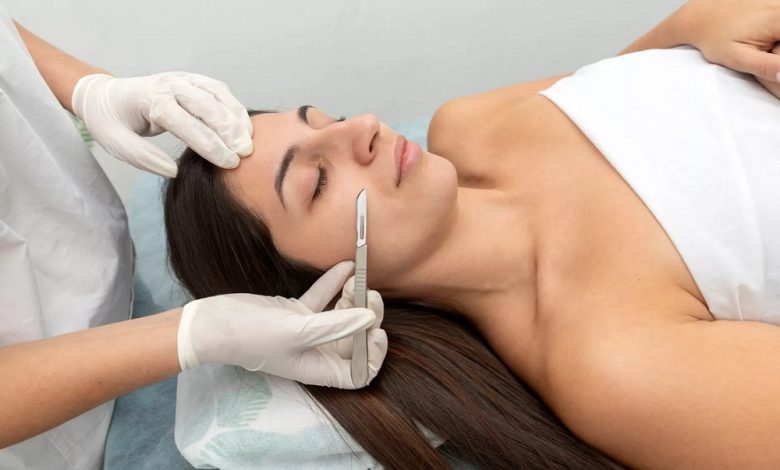
Dermaplaning is a popular cosmetic procedure designed to enhance the skin’s radiance and texture by strategically exfoliating the outermost layer of dead skin cells. By using a specialized surgical scalpel, trained skincare professionals gently abrade the skin’s surface, revealing a smoother, brighter complexion underneath. This non-invasive treatment not only removes dead skin cells but also eliminates vellus hair (often referred to as “peach fuzz”), leaving the skin feeling incredibly soft and rejuvenated. With its increasing popularity, many are eager to understand how this process works and what tangible benefits it can yield for their skin health.
The Science Behind Dermaplaning: Shedding the Layers
The dermaplaning process is rooted in the fundamental principles of exfoliation. As we age, our skin’s natural ability to shed dead cells diminishes, resulting in a buildup that can contribute to dullness, uneven texture, and even breakouts. By utilizing a sterile surgical scalpel, the aesthetician carefully scrapes away this buildup, stimulating cellular turnover and promoting a more vibrant complexion. This mechanical exfoliation encourages deeper penetration of skincare products, allowing serums and moisturizers to work more effectively, which is a major advantage for those seeking to enhance their skincare regimen. Scientifically, dermaplaning optimally sets the stage for the skin to renew itself, revealing the fresh, healthier skin that lies beneath.
The Tools of the Trade: What Your Aesthetician Uses
The effectiveness of dermaplaning largely depends on the instruments used and the technique employed by the aesthetician. A professional-grade surgical scalpel is typically the primary tool, designed specifically for this purpose, ensuring precision and safety. Additionally, the aesthetician may use a variety of accessories such as alcohol wipes for sanitization, moisturizing products for post-treatment care, and soothing serums to enhance skin health post-session. The use of these specialized tools not only facilitates optimal results but also significantly minimizes the risk of adverse effects. It’s crucial for individuals to seek treatment from seasoned professionals who adhere to strict hygiene protocols and possess a deep understanding of skin anatomy.
Who Should Consider Dermaplaning? Unraveling the Myths
One common misconception surrounding dermaplaning is that it is suitable only for certain skin types. In reality, this treatment can be beneficial for nearly everyone. Those with sensitive or acne-prone skin may worry about irritation; however, a skilled aesthetician can tailor the treatment to accommodate various skin conditions. The exfoliation it provides can help to mitigate some types of acne and reduce the appearance of acne scars. Nonetheless, individuals with active acne lesions or certain dermatological conditions, such as eczema or psoriasis, should consult a dermatologist prior to treatment. By demystifying these common myths, potential clients can confidently explore the transformative benefits of dermaplaning without fear or apprehension.
Transformative Benefits of Dermaplaning for Your Skin
The advantages of dermaplaning extend well beyond immaculate surface-level results. The treatment results in a cascade of benefits that can amplify one’s entire skincare routine, offering both immediate and long-term improvements. As professionals in the skincare industry frequently highlight, understanding the full spectrum of benefits can empower individuals to invest in their skin health holistically. Below, we delve into some of the most transformative effects of dermaplaning.
Glowing Skin: Instant Radiance and Smoothness
One of the most immediate and striking benefits of dermaplaning is the radiant glow that follows your treatment. Post-session, clients typically behold a luminosity that is both visible and tangible—skin feels smoother, softer, and deeply refreshed. This immediate gratification is due to the removal of the dull outer layer of skin, allowing light to reflect better and giving the appearance of vibrant, youthful skin. The smoothness achieved through dermaplaning also enhances the skin’s texture, allowing for a more even makeup application—no more flaking or unevenness! The feeling itself, akin to velvet, is often reason enough for clients to return for regular treatments as part of their skincare routines.
Makeup Magic: Why Your Products Will Love You Back
After a dermaplaning session, makeup application transforms into an art form, significantly elevating the overall aesthetic. With the removal of dead skin cells and peach fuzz—a common culprit of makeup obstructions—the skin feels impeccably smooth, creating a flawless canvas for makeup application. Consequently, foundation and other cosmetic products adhere better to the skin, rendering a more natural finish and prolonging wear time. Clients often find themselves using less product, as its enhanced effects become readily apparent. Regular dermaplaning not only enhances the look of makeup but optimally combines the feel of weightlessness as the skin remains hydrated and breathable. For makeup enthusiasts or anyone seeking polished looks, this treatment becomes an essential part of their regimen.
An Anti-Aging Secret: How Dermaplaning Promotes Youthful Skin
Another remarkable aspect of dermaplaning is its role in promoting collagen production—a critical factor in maintaining skin elasticity and firmness. As we age, collagen levels decline, leading to the onset of fine lines and wrinkles. The mechanical action of dermaplaning initiates a healing response in the skin, stimulating the growth of new, healthy skin cells and enhancing collagen production. Furthermore, by clearing away dull, dead skin, dermaplaning encourages cellular renewal, which directly contributes to a more youthful appearance. Regular treatments can significantly delay the visible effects of aging and create an environment for your skin to thrive, reinforcing dermaplaning as an essential anti-aging tool.
What to Expect During a Dermaplaning Session
Understanding what to expect during a dermaplaning session can alleviate any apprehensions about the procedure. Being informed empowers clients to approach their treatment with confidence, ensuring they reap all the benefits effectively.
The Process: Step-by-Step Guide to Your Treatment
Your dermaplaning procedure begins with a thorough skin assessment to tailor the treatment to your specific skin needs. The aesthetician will cleanse your face using a gentle cleanser that removes makeup and impurities. Following this, the aesthetician may apply a soothing toner or antiseptic to prep the skin for the exfoliation process. The main event entails the gentle scraping of the epidermis with the scalpel at a precise angle, which is painless and usually takes about 30 minutes. After the exfoliation is complete, the aesthetician applies a hydrating serum or moisturizer to nourish the freshly treated skin. Clients typically leave the session feeling refreshed, with immediate visible results.
Post-Treatment Care: Keeping Your Skin Happy
After your dermaplaning session, skin may feel slightly sensitive or appear red for up to 24 hours, which is entirely normal. To promote healing and maintain optimal results, it’s crucial to adhere to a cohesive post-treatment skincare regimen. Clients should avoid direct sun exposure, tanning beds, and extreme heat (such as saunas) for at least a week post-treatment. The application of a broad-spectrum sunscreen is paramount to protect the newly revealed skin from UV injury. Additionally, keeping the skin hydrated through gentle, non-irritating products will foster an ideal healing environment. In essence, treating your skin kindly post-session will prolong and enhance the effects of dermaplaning.
Common Concerns: Pain, Safety, and Recovery
Addressing concerns about pain, safety, and recovery is essential in curating a calm approach toward dermaplaning. Most clients report minimal discomfort during the procedure, likening the sensation to a light scraping, akin to a gentle shave. As for safety, dermaplaning is regarded as a safe treatment when conducted by a trained professional; complications are rare, provided clients communicate their skin concerns prior to treatment. Recovery time is typically non-existent, with many clients resuming their daily activities immediately. It’s important to realize that everyone’s skin is unique, and an open dialogue with your skincare professional can help ensure a personalized and fulfilling experience.
Integrating Dermaplaning into Your Skincare Routine
Incorporating dermaplaning into your regular skincare routine can significantly elevate your skin health and beauty efforts. It’s important to establish the right frequency, understand complementary treatments, and grasp the differences between professional and at-home options to derive the maximum benefits from this transformative procedure.
How Often Should You Dermaplane? Finding Your Perfect Schedule
The frequency with which one should undergo dermaplaning largely depends on individual skin types and concerns. Generally, aesthetic experts recommend treatments every 4 to 6 weeks. This schedule allows for the natural regeneration of skin cells and effectively maintains the results achieved post-treatment. Conversely, individuals with sensitive skin may find that extending the interval to every 6 to 8 weeks could yield optimal results. Establishing a tailored timeline can foster an effective balance, allowing your skin to benefit from the rejuvenating effects of dermaplaning while minimizing any potential irritation.
Complementary Treatments: Combining Dermaplaning with Other Therapies
Integrating dermaplaning with other skincare treatments can amplify your results and cater to specific skin concerns. Common complementary services include chemical peels, microneedling, and hydrafacials, all of which work effectively alongside dermaplaning to enhance cellular rejuvenation. For instance, following dermaplaning with a chemical peel can ensure even deeper exfoliation and address pigmentation or fine lines. Alternatively, hydrafacials provide hydration and penetrate antioxidants deeper, ensuring the skin remains plump and youthful. Consulting with a skincare professional will yield personalized recommendations that express the harmony of dermaplaning and complementary treatments tailored to individual skin goals.
DIY vs. Professional: The Debate on At-Home Dermaplaning
The idea of at-home dermaplaning tools floods social media, yet safety should always trump convenience. While many products promise ease at home, there are significant risks associated with improper technique and sanitation. Without formal training, there’s potential for misusing the blade, leading to nicks, cuts, or infection. Therefore, opting for a professional dermaplaning services ensures safety and efficacy, as they are equipped with the knowledge of skin conditions and advanced techniques. For those seeking to maintain their dermaplaning results between professional appointments, gentle exfoliation with scrubs or chemical exfoliants may offer a safer alternative. It’s essential to weigh the risks versus rewards and to prioritize professional guidance when venturing into dermaplaning.
In conclusion, dermaplaning is an art and science that, when performed correctly, can lead to profound transformations in skin texture and appearance. From promoting radiance to enhancing the efficacy of skincare products, the procedure has earned its place as a staple for achieving healthy, glowing skin. With informed knowledge about how it works, benefits, post-treatment care, and integration into overall skincare regimens, individuals are well-equipped to embark on their journey towards radiant skin.
FAQ
Question: Is dermaplaning suitable for all skin types? – Yes, dermaplaning can benefit almost all skin types, but those with active acne or certain skin conditions should consult a dermatologist before undergoing the treatment.
Question: How long does a typical dermaplaning session last? – A typical dermaplaning session usually lasts around 30 minutes, including cleansing, exfoliating, and applying post-treatment products.
Question: Can dermaplaning help with acne scars? – Yes, dermaplaning can help diminish the appearance of some types of acne scars by promoting cellular turnover and exfoliating dead skin, but results can vary based on individual skin conditions.
Question: What should I avoid after a dermaplaning session? – After a dermaplaning session, it’s essential to avoid sun exposure, tanning beds, and extreme heat for at least a week to ensure optimal healing and results.
Question: How often should I get a dermaplaning treatment? – It is generally recommended to undergo dermaplaning every 4 to 6 weeks to maintain the desired results and allow the skin to regenerate.
Question: Are there any side effects associated with dermaplaning? – Side effects are minimal, but some individuals may experience temporary redness or sensitivity after the procedure, which usually resolves within a day.
Question: Can I combine dermaplaning with other treatments? – Yes, combining dermaplaning with other treatments like chemical peels or hydrafacials can enhance results and target specific skin concerns effectively.
Question: How does dermaplaning improve skincare product effectiveness? – By removing dead skin cells and vellus hair, dermaplaning allows skincare products to penetrate deeper and work more effectively on the skin, enhancing overall results.
Useful Resources
- American Academy of Dermatology
- National Center for Biotechnology Information
- Skin Cancer Foundation
- Mayo Clinic
- Verywell Health
- Healthline
- Dermatology Times
- PubMed Central