Discover The Thrilling Adventure Of Uganda Gorilla Trekking Tours
Understanding the Magic of Uganda’s Rich Biodiversity
The Unique Ecosystems of Uganda
Uganda, often referred to as the “Pearl of Africa,” boasts a stunning array of ecosystems that serve as habitats for an incredibly diverse range of flora and fauna. Spanning savannas, wetlands, forests, and towering mountains, each ecosystem presents unique opportunities for exploration and discovery. The country’s location at the intersection of different climate zones creates a vibrant tapestry of wildlife that includes over 1,000 bird species, 400 mammal species, and numerous reptiles and amphibians. The iconic Nile River courses through the country, sustaining life in its basin with lush vegetation and abundant wildlife. Lake Victoria, one of the largest freshwater lakes in the world, teems with fish and is surrounded by picturesque landscapes that offer thrilling water-based activities.
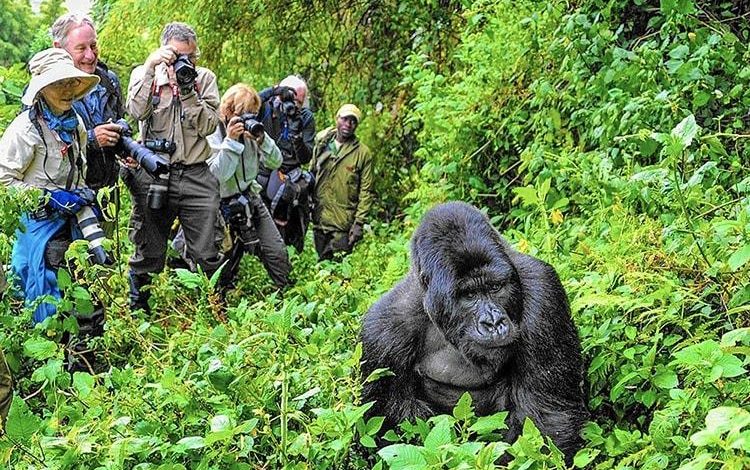
In particular, the Bwindi Impenetrable National Park and Mgahinga Gorilla National Park are hotspots for biodiversity and home to more than half of the world’s remaining mountain gorilla population. As you trek through these ancient rainforests, you will encounter towering tree species and a wealth of plant life that contribute to the overall health of these ecosystems. The rich biodiversity of Uganda creates not only visual spectacles but also a complex network of interdependent relationships essential for the environment’s sustainability.
The Role of Gorillas in Uganda’s Ecosystem
Mountain gorillas play a critical role in maintaining the health of their habitat. As herbivores, they contribute significantly to seed dispersion, ensuring the growth of various tree species and maintaining plant diversity. Their foraging habits can influence the structure of the forest and could even promote new growth and regeneration. The social behavior of gorillas also enriches their ecosystems, as they often interact with other species, creating a dynamic web of life that extends beyond their immediate circle.
Gorilla tourism showcases the importance of these magnificent creatures to both the environment and the economy of Uganda. By generating revenue through ecotourism, there’s a vested interest in the preservation of their habitat, ultimately reinforcing the value of conservation efforts. Protecting gorillas fosters a sense of stewardship within local communities who realize that their well-being is intrinsically linked to the survival of these animals and their ecosystems.
How Conservation Efforts Protect Uganda’s Wildlife
Conservation in Uganda has become a priority not just for the government but also for numerous NGOs and local communities. The Ugandan Wildlife Authority has implemented stringent measures to protect national parks and reserves, combat poaching, and educate local populations on the importance of biodiversity. Community-based conservation initiatives actively involve locals in wildlife management, creating jobs and encouraging sustainable practices that benefit both the environment and community health.
Significantly, the introduction of gorilla permits not only regulates the number of visitors but also directs funds to conservation efforts. Each permit purchased by a trekker contributes to the ongoing protection of gorillas and their habitats. These funds help in anti-poaching patrols, veterinary care for wildlife health, and educational programs that promote environmental awareness. Such collaborative efforts have seen the mountain gorilla population slowly recover, giving hope that conservation efforts can lead to the resurgence of other threatened species.
Preparing for Your Gorilla Trekking Expedition
Essential Gear for an Unforgettable Trek
To embark on Uganda gorilla trekking tours, preparation is key! The terrain can be challenging, with muddy paths, dense vegetation, and hilly landscapes. Thus, having the right gear can make a considerable difference in your experience. Start with sturdy, moisture-wicking clothing: long-sleeved shirts and long pants are essential to protect against insect bites and thorny plants. Layering is prudent; mornings can be cool but can warm up significantly as the day progresses.
Invest in high-quality trekking boots with good ankle support and waterproofing to handle uneven paths and wet conditions. A rain jacket is a must; the rainforests often experience sudden downpours. Don’t forget your daypack, which should carry essentials such as water, snacks, a camera with zoom capability for distant sightings, and binoculars. A walking stick can lend support on steep ascents and descents, making it safer and more manageable. As an added convenience, consider packing biodegradable wet wipes and other essentials for maintaining hygiene while trekking.
Physical Preparation: Training Tips for Success
Gorilla trekking is not a walk in the park; it requires a certain level of physical fitness to manage altitude changes and rugged terrain. Prior to your trip, it’s wise to engage in a regular exercise regimen to build endurance: cardio activities such as hiking, jogging, and even cycling can boost your stamina. Strength training focused on your legs, core, and upper body can fortify your muscles, making hikes easier.
Incorporate interval training to simulate the varied intensity of a trek, alternating between high and moderate effort. Practicing hikes on local trails with similar topography will be beneficial. Aim for long hikes with packing weight to mimic the experience. Additionally, practicing mindfulness and deep breathing can help manage any anxiety about the trek, ensuring you remain calm and enjoy the experience of being in nature. The more fit you are, the more you can savor the moments spent with these magnificent creatures.
What to Expect on Your Trek: Terrain and Challenges
Trekking through Uganda’s lush forests is an awe-inspiring endeavor, but it’s essential to understand what lies ahead. Expect dense, humid rainforest environments with potentially rugged landscapes – think mud, steep inclines, and thickets of vegetation. The trek might range from one to eight hours, depending on the location of the gorilla family you’ll be visiting. Bear in mind that gorilla groups often move within their natural habitats in search of food, so tracking them down can require patience and resilience.
Guides will lead you through designated pathways, navigating by tracking signs and sounds of gorillas. The thrill of spotting other wildlife along the way adds to the excitement; you may encounter colorful birds, playful monkeys, or even enigmatic reptiles. However, it is important to be prepared physically and mentally for the unpredictability of nature. Being receptive to challenges and adaptable to changes during the trek will enhance your experience. Each moment spent with the gorillas is incredibly rewarding, affirming why this trek is unforgettable.
Immersive Experiences Beyond Gorilla Trekking
Cultural Encounters with Local Communities
Uganda is not just about the wildlife; it is also rich in cultural heritage. Engaging with local communities is an integral part of your experience, providing insights into the traditions and daily lives of the Ugandan people. Nearby villages often host cultural performances, showcasing traditional music, dance, and crafts. These encounters foster understanding and appreciation of the rich cultural diversity in Uganda.
Visiting local markets is another excellent way to immerse yourself in the culture. It allows you to interact with vendors, sample local delicacies, and learn about the importance of certain foods in Ugandan diets. Consider participating in community projects, such as sustainable farming or art initiatives, as a meaningful way to contribute positively to the communities you visit. This not only enhances your trekking experience but also forms connections that transcend cultural barriers, making your trip more enriching.
Exploring Uganda’s National Parks and Unique Landscapes
Beyond gorilla trekking, Uganda offers a treasure trove of national parks and unique landscapes waiting to be explored. Queen Elizabeth National Park, famous for its diverse ecosystems ranging from savannas to wetlands, is the perfect setting for game drives or boat safaris along the Kazinga Channel, where you can see hippos wallowing and elephants drinking along the shoreline. The park is also renowned for its tree-climbing lions found resting in the branches of fig trees, an experience rarely seen elsewhere.
Murchison Falls National Park presents a different adventure, with the mighty Nile River cascading over 40 meters into a gorge, creating a breathtaking landscape. Visitors can take part in guided hikes to the top of the falls or enjoy boat cruises that provide opportunities to see crocodiles, elephants, and a plethora of bird species up close. For those seeking outdoor activities, head to the Rwenzori Mountains, where rugged peaks offer hiking trails that challenge even the most experienced trekkers, leading to stunning vistas and idyllic alpine meadows.
Wildlife Encounters: Other Fascinating Creatures to Spot
While gorillas are undoubtedly the star attractions, Uganda’s biodiversity is incredibly rich, housing a myriad of other spectacular wildlife. As you trek through the forests and national parks, keep your eyes peeled for a variety of mesmerizing creatures. Chimpanzees, our closest relatives, thrive especially well in Kibale National Park, where guided tours offer the chance to observe their playful interactions in their natural habitats.
Avail opportunities to spot elephants, zebras, and numerous antelope species in the savanna regions. Birdwatchers will be enthralled by the potential sightings of rare species, such as the shoebill stork, which can be found in the wetlands of Murchison Falls. Each encounter provides further depth to your understanding of Uganda’s ecosystems, illustrating the importance of conservation efforts in protecting these precious species.
Responsible Trekking: Sustainable Tourism in Uganda
The Importance of Eco-Friendly Practices
Responsible trekking goes beyond just enjoying Uganda’s wildlife; it encompasses a commitment to eco-friendly practices that minimize environmental impact. Being conscious of waste management is crucial; utilize reusable water bottles, avoid single-use plastics, and engage in Leave No Trace principles. Respect the stipulated guidelines provided by your guides concerning wildlife interactions and park regulations to ensure minimal disturbance to their natural behaviors.
It is also essential to educate yourself on the conservation concerns facing Uganda’s wildlife. Understanding the delicate balance between tourism and conservation will empower you to become a responsible advocate for the ecosystems you encounter. By prioritizing eco-friendly habits during your trip, you contribute to the long-term sustainability of these majestic environments and the creatures that inhabit them.
Supporting Local Economies through Responsible Tourism
Tourism offers livelihoods for many Ugandans, particularly those living near national parks. Engaging in responsible tourism means not just enjoying the services offered but also actively contributing to the local economy. Choose local guides and use locally owned accommodations where possible, as this ensures that your financial support goes directly to the community. Local artisans can provide unique souvenirs, showcasing their craftsmanship while allowing you to leave a tangible, positive impact.
Participation in community-based tourism initiatives allows travelers to interact deeply with the Ugandan culture, enhancing your experience while aiding economic development. By focusing on sustainable practices, you not only enrich your journey but also drive initiatives aimed at the preservation of Uganda’s natural and cultural heritage.
Guidelines for Ethical Gorilla Trekking
Ethical considerations play a crucial role in the success of gorilla trekking tourism. As trekkers, it’s essential to follow guidelines that prioritize the well-being of the gorillas. Always maintain a safe distance from the gorillas—at least 7 meters—as close encounters can expose them to human diseases that may be fatal to these sensitive animals. Limiting the number of visitors per trekking tour means that gorillas are not overwhelmed, allowing them to live more naturally while providing a soulful experience for trekkers.
Additionally, refrain from feeding the gorillas or making loud noises that could disrupt their behavior. When involved in gorilla tourism, practice mindfulness and patience; the objective is to observe these majestic creatures without imposing stress or harm upon them. Such ethical considerations are powered by awareness, commitment, and understanding that by practicing responsible tourism, which includes understanding the behaviors and habitat requirements of gorillas, we contribute to the preservation of their delicate existence.
In conclusion, the journey of engaging with Uganda’s gorillas and the surrounding biodiversity is unparalleled. By understanding, preparing, exploring, and practicing responsible tourism, travelers can create enriching experiences that not only transform personal lives but also foster respect and appreciation for the natural world. Uganda’s blend of wildlife encounters, cultural richness, and commitment to conservation undoubtedly makes gorilla trekking an adventure that stays with you for a lifetime.
FAQ
Question: What is the best time of year to go gorilla trekking in Uganda? – The best months for gorilla trekking in Uganda are generally from June to September and December to February, during the dry seasons when trails are less muddy and wildlife is more active.
Question: Do I need a travel visa to visit Uganda for gorilla trekking? – Yes, most travelers will need a visa to enter Uganda, which can often be obtained online or on arrival depending on your nationality.
Question: Are there age restrictions for participating in gorilla trekking tours? – Gorillas trekking is restricted to individuals aged 15 and older to ensure the safety and comfort of both the trekkers and the gorillas.
Question: What are the potential health risks associated with gorilla trekking? – There are concerns about exposure to human diseases, which can be fatal to gorillas. Travelers are advised to be in good health, and may be screened for illnesses before trekking.
Question: How physically demanding is gorilla trekking? – Gorilla trekking can be quite strenuous, involving uphill trekking in steep, muddy terrain for several hours. Good physical fitness and preparation are recommended.
Question: Is it safe to travel to Uganda for gorilla trekking? – Yes, Uganda is generally safe for travelers, particularly in tourist areas; however, it is always important to stay updated on travel advisories and follow local guidance.
Question: Can I take photos during the trekking experience? – Yes, photography is allowed during the trek, but it is important to follow guidelines related to maintaining a safe distance from the gorillas to avoid disturbing them.
Question: How can I support conservation efforts while on my trip? – Support local communities by choosing eco-friendly tours, using local guides, purchasing handmade souvenirs, and following all guidelines to minimize environmental impact.
Useful Resources
- World Wildlife Fund
- Biodiversity Heritage Library
- International Union for Conservation of Nature
- The Wildlife Society
- National Geographic
- Conservation International
- Rainforest Alliance
- UNESCO World Heritage Centre