Expert Post Falls Lawn Care Services by Senske for a Lush Green Yard
The Science Behind a Thriving Lawn: What You Need to Know
Understanding Soil Composition and Its Impact on Grass Health
Soil is often referred to as the foundation of any garden, and for good reason. The composition of soil plays a critical role in the health and vibrancy of your lawn. At a basic level, soil is made up of minerals, organic matter, water, and air, with the relative proportions of each component influencing plant growth substantially. The mineral content varies significantly among different types of soil; sandy soils drain quickly and are often infertile, while clayey soils, although rich in nutrients, tend to retain water, making them prone to compaction and poor aeration. This complexity means that understanding your soil’s characteristics can help tailor your lawn care effectively. To determine the specific needs of your lawn, a soil test is invaluable. Testing measures pH, nutrient levels, and organic matter content. For instance, a soil rich in nitrogen will promote lush foliage growth, while phosphorous encourages strong root development. Furthermore, mineral deficiencies or toxicities can lead to a lack of vigor in your grass, prompting discoloration and weak growth. The health of your soil not only dictates how well grass can thrive but also promotes the overall ecological balance by supporting beneficial microorganisms and fostering earthworm populations that aerate the soil naturally.
The Role of pH Levels: Finding the Perfect Balance for Growth
The pH levels of your soil are crucial in the realm of garden care, serving as an indicator of soil acidity or alkalinity. Most grass species prefer a slightly acidic to neutral pH range of about 6.0 to 7.0. When soil pH strays from this range, nutrient availability can be altered significantly—iron, for example, becomes less available in alkaline soils, leading to symptoms of chlorosis where leaves turn yellow while the veins remain green. Regularly testing your soil’s pH can help identify imbalance issues promptly. To adjust pH, various soil amendments can be utilized: lime can raise pH, while sulfur can lower it. Additionally, organic matter additions, such as compost, can help buffer pH fluctuations while also adding essential nutrients. Implementing these amendments not only ensures healthy grass but can also promote soil biodiversity, which is directly linked to lawn resilience and productivity.
Nutrient Essentials: What Your Lawn Craves for Vibrancy
Nutrient management is at the heart of a thriving lawn. The primary macronutrients essential for grass health include nitrogen (N), phosphorus (P), and potassium (K)—often referred to as N-P-K. Nitrogen is key for leafy growth, making it critical for establishing a lush, green lawn. Phosphorus supports root development, helping the grass establish a robust foundation, while potassium enhances overall plant health, making it more tolerant to stress and disease. Beyond these macronutrients, grasses also require secondary nutrients like calcium, magnesium, and sulfur, as well as trace minerals such as iron and zinc. A balanced fertilization regime depends on understanding these nutrient needs through regular soil testing and analysis. Seasonal fertilization strategies are also pivotal; for example, a slow-release nitrogen fertilizer in spring encourages vigorous growth post-winter, while a balanced fertilizer in late summer ensures nutrients are available for autumn root development. Whether through granular or liquid fertilization techniques, ensuring nutrients match the growing phase of your lawn can result in stunning visual appeal and sustainability.
Seasonal Lawn Care Strategies: Tailoring Your Approach Throughout the Year
Spring Awakening: Reviving Your Lawn After Winter
Spring is the season of renewal, and it is crucial in setting the foundation for a healthy lawn throughout the year. As winter thaws, the first step is to clear any debris—leaves, branches, and dead grass—which can smother new growth and lead to lawn disease. Once cleared, a light raking can help wake up the grass, encouraging airflow and sun exposure that promotes lush growth. Aeration is another vital practice during spring, as it alleviates soil compaction that often occurs during winter. By creating small holes in the soil, aeration allows water, nutrients, and air to penetrate easily, stimulating root growth. Following up with overseeding, especially in bare or thin patches, introduces new grass varieties that can offer better resilience to local climatic conditions. A mix of cool-season grasses such as fescue and bluegrass is often advisable in Northern climates. Finally, a targeted fertilization program tailored for spring (typically richer in nitrogen) can set the stage for robust growth, giving your lawn the nutrient boost it needs to flourish during the vigorous growing season ahead.
Summer Survival Tips: Keeping Cool Under the Heat
The dog days of summer bring unique challenges for maintaining a healthy lawn. As temperatures soar and rainfall becomes less predictable, it is crucial to adopt practices that help your grass survive the heat. One of the key strategies is to mow your lawn at a higher setting, typically around three to four inches. Longer grass retains moisture better, shades the soil, and helps suppress weed growth. Additionally, mowing less frequently can reduce stress on your lawn, particularly during dry spells. Irrigation practices take center stage in summer. It’s essential to ensure your lawn receives sufficient hydration, typically around one inch of water per week—either from rainfall or irrigation. Early morning is the ideal time to water, minimizing evaporation and preventing fungus growth that occurs with late-day watering. Implementing a smart irrigation system that automatically adjusts based on rainfall can also save resources. Lastly, consider incorporating heat-resistant grass blends that require less water and have greater drought tolerance; they can significantly reduce the workload during the peak of summer.
Autumn Prep: Preparing Your Lawn for the Cold Months Ahead
As summer fades and autumn arrives, attention shifts to preparing the lawn for winter dormancy and ensuring a successful growth phase come spring. One of the most critical strategies in autumn lawn care is overseeding. This process involves spreading new seed across an existing lawn, filling in bare patches and promoting denser turf, which is essential for fighting diseases and pests. Fertilization this time of year often requires a different approach, focusing on phosphorus and potassium which promote robust root development and overall health. A specialized autumn fertilizer can nourish the grass, ensuring it has the energy reserves to weather winter stresses. Aeration remains crucial, allowing for nutrient uptake ensuring adequate soil compaction relief, while also helping to enhance water infiltration as winter rains begin. Lastly, it’s essential to adjust mowing practices as growth slows down—reducing mowing frequency and keeping grass blades to a sensible length can protect the crowns of the grass from frost damage.
Senske’s Expert Techniques: Transforming Your Yard into a Masterpiece
Precision Mowing and Its Aesthetic Benefits
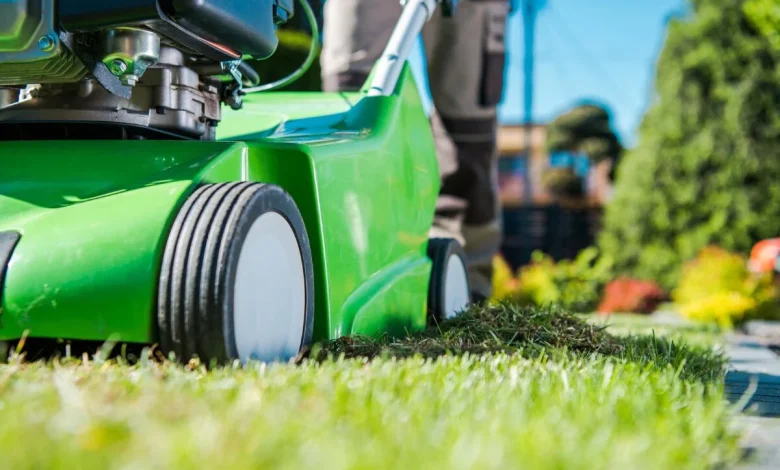
Mowing is not merely a routine task; when performed with precision, it can transform lawn care from a chore into an art form. Senske understands that a well-manicured lawn not only looks aesthetically pleasing but also contributes significantly to grassroots health. Mowing with the correct technique goes beyond just cutting height; it involves creating an even cut that allows for uniform growth. Regularly rotating mowing patterns can also promote healthy growth, as it prevents grass from developing a lean toward one side. Additionally, keeping mower blades sharp is critical. Dull blades tear grass rather than cut, leading to fraying, which can create entry points for disease. Finally, leaving clippings on the lawn acts as a natural mulch, returning essential nutrients to the soil while maintaining moisture.
Innovative Aeration Techniques: Giving Your Lawn Room to Breathe
Aeration is one of the top strategies that lawns can implement for enhancement and sustainability. Rather than traditional spike aeration, which can consolidate soil further, Senske employs core aeration techniques, which involve removing small plugs of soil. This scientifically backed method improves soil structure, enhances root growth, and allows for optimal nutrient and water absorption. The best times for aeration typically include spring or fall during the active growth periods for grass. However, in extreme compaction situations or after heavy usage, performing aeration during the growing season can help rejuvenate stressed lawns. The process involves considering soil moisture levels; adequately moist soil ensures better results, as dry soil can lead to more crumbled plugs rather than solid cores. Overall, endless benefits accompany aerating, contributing to a more vibrant and resilient lawn.
Seasoned Pest Control: Protecting Your Lawn from Invaders
Pest control is an integral thread woven into the fabric of effective lawn care. Senske employs an integrated pest management (IPM) approach that focuses on prevention and uses environmentally friendly methods first. IPM emphasizes understanding the pest lifecycle and ecological dynamics, allowing for informed decisions on treatment timing and methods. Common threats to your lawn may include grubs, chinch bugs, and various fungal diseases. Recognizing signs of infestation early can prevent extensive damage. Regular monitoring, along with soil health checks, ensures that beneficial organisms are present, offering natural pest control solutions. When treatment becomes necessary, Senske utilizes organic or low-impact chemicals that target specific pests while minimizing harm to beneficial insects and the surrounding ecosystem. By combining knowledge with technology, protected investments lead to healthier lawns and thriving local wildlife.
The Environmental Benefits of Professional Lawn Care: More Than Just Looks
Enhancing Biodiversity: How a Healthy Lawn Supports Local Ecosystems
Emphasizing ecological balance is crucial in today’s lawn care practices. Healthy lawns can foster biodiversity by providing habitats for countless organisms, from beneficial insects to birds. Various practices can promote this enhanced biodiversity—such as encouraging pollinator-friendly flowers at the lawn’s edges or incorporating native grass species that are better adapted to local conditions. Moreover, a well-maintained lawn can also contribute to improved ecosystem health. A dense turf can support microorganisms, worms, and beneficial beetles that play key roles in nutrient cycling while aerating the soil. These organisms sustain the lawn’s health and also foster food webs that can support broader ecosystems. Protecting local birds that feed on insects helps synchronize pest control naturally, creating a harmonious relationship rather than pursuing conflict.
Water Conservation Techniques: Sustainable Practices for a Greener Planet
Water conservation has emerged as an essential practice, particularly with increasing concerns over climate change and resource depletion. Senske champions sustainable water management techniques that aid in preserving this valuable resource while promoting deep-rooted, resilient lawns. One approach is to adopt xeriscaping principles, which encourage planting drought-tolerant species known for their ability to thrive in lower water conditions. Furthermore, employing smart irrigation systems minimizes waste by adapting to weather and soil moisture levels, subsequently reducing time and resources spent on manual watering efforts. Rainwater harvesting presents another innovative solution; capturing rainfall for irrigation transforms resource usage and promotes groundwater recharge, ensuring sustainability. Finally, implementing mulch layers in planting beds helps in retaining moisture while suppressing weeds, ultimately reducing the need for chemical herbicides.
Carbon Sequestration: The Lawn’s Role in Combating Climate Change
Finally, our lawns play a pivotal role in combating climate change through carbon sequestration—essentially acting as carbon sinks that absorb carbon dioxide (CO₂) from the atmosphere and store it in the soil. Grasses naturally capture carbon and release oxygen during photosynthesis. By investing in a robust lawn care regimen, the stored carbon remains underground, supporting a continuous cycle of cleaner air and contributing meaningfully to the global fight against climate change. Lawn care practices that promote turf health, such as aeration and nutrient management, enhance soil quality and increase organic matter, which in turn boosts the soil’s capacity to sequester carbon. This not only strengthens the lawn itself but also supports the resilience of the surrounding ecosystem. That’s where Post Falls lawn care by Senske stands out. Choosing Senske means investing in both the beauty of your yard and the health of the planet. More than just grass care, Senske delivers a science-backed, environmentally conscious approach tailored to the unique climate and soil of Post Falls. Whether through seasonal strategies, expert techniques, or sustainable treatments, the goal is to create a vibrant, biodiverse lawn while driving real progress toward environmental sustainability. With Senske’s expertise by your side, a lush, thriving backyard—and a healthier planet—are within reach.