Support Your Community: How To Donate Plasma In Calexico
Understanding the Plasma Donation Process: What You Need to Know
What is Plasma and Why is it Important?
Plasma is the liquid component of blood, comprising about 55% of its overall volume. It is a pale yellow fluid that consists of water, electrolytes, proteins, hormones, and nutrients. One of the most critical reasons plasma is important is that it serves as a transport medium for these vital components within the bloodstream, ensuring proper functioning of the body. Plasma contains antibodies and proteins that play a crucial role in the immune response, making it a valuable resource for treating patients with various illnesses, such as autoimmune disorders, liver diseases, and conditions requiring clotting factor, such as hemophilia.
Moreover, the importance of plasma donation has surged in light of the ongoing healthcare challenges, including the COVID-19 pandemic, where convalescent plasma from recovered patients was explored as a treatment option for those currently battling the virus. The demand for plasma-derived therapies has reached unprecedented levels, highlighting the necessity for donors and the significant role they play in saving lives. In Calexico, where healthcare access can be limited, understanding how to donate plasma is not only essential for the community’s well-being but also a testament to the collective effort toward public health.
The Step-by-Step Journey of Donating Plasma
The process of donating plasma is straightforward and well-regulated to ensure the safety and health of both donors and recipients. It begins with an initial health screening, where potential donors must fill out a detailed questionnaire about their medical history and lifestyle choices. This questionnaire helps to identify any potential risks that may exclude someone from donation.
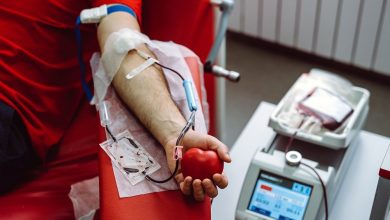
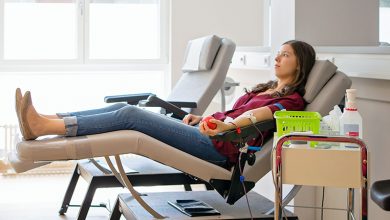
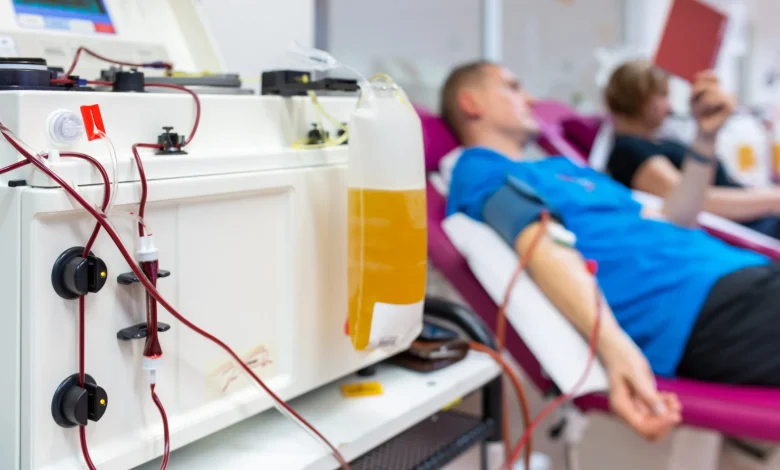
Once cleared, donors undergo a physical examination, which typically includes checking blood pressure, hemoglobin levels, and pulse rate. After passing these preliminary tests, donations usually take place at a licensed plasma donation center, equipped with sterile and comfortable facilities. During the actual donation process, a needle is inserted into a vein in one arm, and blood is drawn using a special machine. This machine separates plasma from the other components of blood (like red cells and platelets) and returns those components back to the donor. The entire process can take about 1 to 2 hours, including the screening and donation time.
After the donation, donors are encouraged to rest and hydrate, often provided with snacks and refreshments at the center. It’s important to monitor for any side effects, such as light-headedness or fatigue, though most individuals experience few or no adverse effects. Understanding this journey can help potential donors feel more confident and prepared for their first plasma donation.
Safety Protocols and Health Screening: Your Wellbeing First!
Safety is of utmost priority in the plasma donation process. Regulatory bodies like the FDA and the American Association of Blood Banks set stringent guidelines to ensure that each donation is safe for both the donor and the recipient. Plasma donation centers adhere to strict hygiene and safety protocols to minimize the risk of infection or complications. It is essential for centers to regularly sterilize equipment and maintain a clean environment to achieve this goal.
Additionally, health screenings play a significant role in ensuring donor eligibility and safety. These screenings are designed to identify medical conditions and risk factors that may make it unsafe for individuals to donate plasma in Calexico. For instance, those with certain chronic illnesses, recent infections, or risky lifestyle behaviors may be temporarily or permanently deferred from donation. Such protocols not only protect potential recipients but also prioritize the health of the donors themselves.
Lastly, ongoing education about blood-borne diseases and their prevention is pivotal for both staff and donors. Many plasma donation centers conduct regular training and workshops to keep staff updated on the latest safety measures and technological advancements in the donation process, further ensuring a safe and healthy experience for everyone involved.
Finding the Right Plasma Donation Center in Calexico
A Guide to Local Plasma Donation Facilities: Where to Go?
Calexico boasts several plasma donation centers that provide convenient options for residents looking to contribute to their community. Some well-known establishments include the BloodBank of California and CSL Plasma, both of which prioritize donor comfort and safety. When choosing a donation center, it’s essential to consider factors such as location, hours of operation, and the types of services offered.
Researching local facilities online can yield comprehensive insights into their reputations, donor experiences, and the quality of care. Many centers also provide virtual consultations or hotlines for prospective donors to ask questions and clarify any doubts regarding the donation process. Taking the time to explore different options can significantly enhance your experience and ensure that you find a center that suits your needs.
Comparing Donation Centers: Services and Benefits Offered
Not all plasma donation centers are created equal. When evaluating different locations, it’s beneficial to compare the range of services they provide as well as any additional benefits they offer. For instance, some centers may provide extra incentives such as gift cards or cash payments for donations, depending on local and federal regulations. Others might offer more comprehensive healthcare services, such as vaccinations or health check-ups, for regular donors, creating a valuable opportunity for individuals to maintain their health while giving back to the community.
Furthermore, factors like wait times, appointment scheduling flexibility, and the attentiveness of staff can significantly impact the donation experience. Reading reviews from previous donors, both online and through word-of-mouth, can help you to see how other individuals have experienced different centers in Calexico. Discovering the combination of services and positive experiences that a specific center offers will help ensure that your donation is rewarding not just for those who receive your plasma, but also for you as a donor.
Scheduling Your Donation: What to Expect Before You Arrive
Scheduling a plasma donation in Calexico is typically a straightforward process that can often be done online or over the phone. Many centers offer convenient online booking systems that allow you to choose a time slot that fits your schedule. It’s important to reserve your spot ahead of time, especially during busy periods, to minimize wait times upon arrival.
As your appointment date approaches, it’s advisable to prepare adequately for your donation. Center guidelines often recommend certain practices, such as ensuring you stay hydrated the day before and the day of the donation. Eating a balanced meal rich in protein can also help to boost your energy levels and minimize any potential side effects during the donation.
On the day of your donation, arrive a few minutes early to allow ample time for check-in. Bring along an accepted form of identification, such as a driver’s license, which will be necessary for completing the registration. Once you complete the necessary paperwork, you’ll undergo the pre-donation health screening discussed earlier. This step will ensure you are healthy enough for donation and allow for an easy transition into the donor chair as you begin the process of giving life-giving plasma.
The Impact of Your Plasma Donation: Changing Lives in Your Community
Who Benefits from Plasma Donation: Understanding the Recipients
The recipients of plasma donations are often individuals facing serious medical challenges. Plasma is vital in the treatment of various conditions, including but not limited to immune deficiencies, trauma, surgical interventions, and chronic illnesses such as liver disease or clotting disorders. Individuals with hemophilia, for instance, require clotting factor treatment made possible through human plasma, which is essential for preventing excessive bleeding and promoting normal clotting.
Moreover, plasma-derived therapies have become increasingly crucial in managing conditions like COVID-19. Patients who have contracted the virus may benefit from convalescent plasma therapy, where antibodies from recovered patients are transfused into affected individuals as a potential treatment. Understanding the powerful impact your donation can have on the lives of these individuals not only offers motivation but also reinforces the crucial need for continued plasma donations in the community.
Real Stories: Testimonials from Donors and Recipients
Hearkening the voices of both donors and recipients, personal testimonials reveal the profound impact that donating plasma can have. Many first-time donors report feeling an overwhelming sense of purpose and fulfillment after donating, knowing that their contribution could significantly alter someone else’s life trajectory. For instance, one donor in Calexico shared how they planned to donate after a close relative received treatment for a clotting disorder, realizing the difference that plasma could make in their loved one’s health.
On the recipient side, numerous individuals express deep gratitude toward donors, some recounting miraculous recoveries due to life-saving plasma-derived therapies. For instance, a mother of a child with a rare autoimmune disorder revealed how countless plasma donations had provided her child with enough antibodies to fight off frequent infections and stay healthy. Such stories underscore the ripple effect of plasma donation, showcasing both the altruism of donors and the necessity of these contributions in healthcare.
The Ripple Effect: How Your Contribution Supports Local Healthcare
The act of donating plasma extends beyond just providing a direct product for transfusion; it ushers in a ripple effect that supports various facets of healthcare in Calexico. Increased plasma donations lead to replenished blood banks, ensuring that local hospitals have access to essential blood products for surgeries, trauma responses, and routine care. This stability in local blood supply directly enhances the community’s overall health metrics and responses to medical emergencies.
Furthermore, by supporting local plasma donation centers, you contribute to employment opportunities and economic growth. Since these centers employ professionals responsible for conducting donations, maintaining safety standards, and handling the logistics of plasma distribution, your contribution helps sustain many jobs within the community. The more people who donate, the more robust and sustainable local healthcare becomes, creating a healthier environment for the community as a whole.
Becoming a Lifelong Donor: Tips for a Rewarding Experience
Maximizing Your Donation: Tips for Preparation and Recovery
Donating plasma is not just about the act itself; strategic preparation and recovery can significantly enhance your overall experience and health outcomes. To make the most of your donation, start by maintaining a well-balanced diet rich in iron, protein, and hydration. Foods like lean meats, fish, beans, leafy greens, and whole grains can help boost your red blood cell count and ensure that you are physically prepared to donate.
Additionally, it’s vital to get adequate rest before your donation. A good night’s sleep can help minimize any fatigue or light-headedness you might experience post-donation. On the donation day, you should arrive well-hydrated, and avoid caffeine and alcohol, as these can hinder blood circulation and potentially complicate the donation process.
After donating, prioritize your recovery by continuing to hydrate and enjoying a healthy snack provided by the center or your own nutritious option. Listen to your body; if you feel tired or dizzy, take a moment to rest before resuming normal activities. Engaging in light physical activity, such as walking after your donation, can also aid in a smoother recovery process and help promote overall well-being.
Joining the Donor Community: Engaging with Fellow Donors
Becoming a regular plasma donor opens the door to joining a vibrant community of like-minded individuals who share the same commitment toward helping others. Many plasma donation centers host events, recognition days, or support groups that allow donors to connect and share their experiences. These gatherings not only build camaraderie among donors but also provide opportunities for education on various health topics, recent advancements in plasma therapies, and continued motivation.
Engaging with fellow donors can transcend the donation experience. It fosters a spirit of mentorship, where seasoned donors can guide first-timers, share tips for successful donations, and encourage one another to stay committed to this impactful practice. Social media platforms also offer avenues for donorship communities to flourish, where individuals share anecdotes, support initiatives, and even engage in friendly competitions among local centers about donation stats. By joining these networks, you contribute to a supportive environment that uplifts and amplifies the collective impact of plasma donation in the community.
The Rewards of Giving Back: Incentives and Recognition Programs
While offering a life-saving resource might seem reward enough, many plasma donation centers also provide incentives to motivate regular donations and recognize the generosity of their patrons. These incentives can range from monetary compensation to gift cards or discounts at local businesses, and many centers have loyalty programs that reward donors for reaching specific milestones. For instance, some facilities may offer bonus payments during special promotional periods or provide perks for consistent donors.
Additionally, recognition programs are becoming more prevalent, with many centers celebrating donors for their commitment through public acknowledgments, donor appreciation events, or donor spotlights on social media. These initiatives serve as not only a pat on the back for those who give freely of their time and plasma but also inspire new donors to contribute by showcasing the powerful impact each donation can have.
In summary, participating in the plasma donation process in Calexico is more than just an obligation; it’s a profound opportunity to make a tangible difference in the lives of many. By understanding the donation process, selecting the right center, recognizing the beneficiaries, and actively participating in the donor community, you can turn your good intentions into a life-changing endeavor. Each drop matters, and your commitment to donate plasma can add up to extraordinary results for those in need.
FAQ
Question: Can anyone donate plasma? – No, not everyone can donate plasma. There are specific eligibility criteria that must be met, including age, weight, health status, and lifestyle factors that could affect donor safety.
Question: How often can I donate plasma? – Generally, plasma can be donated every 28 days, but some donation centers may have their own specific guidelines, so it’s best to check with the facility where you plan to donate.
Question: What should I wear when donating plasma? – It is recommended to wear clothing with sleeves that can be rolled up easily, as the donation will typically be taken from your arm. Comfortable clothing will help ensure a more relaxed experience.
Question: Are there any side effects associated with donating plasma? – Some common side effects may include light-headedness, fatigue, or bruising at the needle site. Most donors don’t experience major issues, but it’s important to rest and hydrate afterward.
Question: Can I donate plasma if I’ve had a tattoo or piercing? – Yes, you can usually donate plasma if you have had a tattoo or piercing, but there may be a waiting period depending on local regulations and the methods used to apply the tattoo or piercing.
Question: Is there any compensation for donating plasma? – Many plasma donation centers offer compensation, which can vary by location and policies, including cash payments or gift cards as a thank-you for your contribution.
Question: What happens if I feel unwell on the day of donation? – If you feel unwell, it’s advised to either reschedule your appointment or consult the center staff. Your health and safety are the top priority, and you should not donate if you are not feeling well.
Question: Can I donate plasma if I am on medication? – It depends on the type of medication you are taking. Some medications may not affect your ability to donate, while others might. Always disclose your medications during the screening process for proper evaluation.
Useful Resources
- American Red Cross
- AABB (American Association of Blood Banks)
- S. Food and Drug Administration (FDA)
- America’s Blood Centers
- Plasma Donation Information Hub
- gov
- Centers for Disease Control and Prevention (CDC)
- World Health Organization (WHO)