The Complete Guide to Event Planning, Execution, and Guest Experience

An event is more than a scheduled gathering. It is an orchestrated experience built from strategy, logistics, design, psychology, and human connection. In the United States, events influence business growth, community bonding, cultural expression, and personal milestones. Whether the purpose is celebration, education, motivation, or entertainment, every event requires thoughtful structure, detailed coordination, and an understanding of how people respond to environments. The success of an event is shaped long before the first guest arrives, and it relies on the ability to predict needs, eliminate friction, and create memorable moments.
Why Events Matter in Modern Society
Events play a critical role in communication, branding, culture, and personal fulfillment. They allow people to gather with intention, share experiences, and foster deeper relationships. Companies use events to launch products, celebrate achievements, and strengthen team culture. Families and communities use events to mark life milestones, preserve tradition, and build meaningful memories.
Events also influence economic growth. The event industry supports hospitality, catering, transportation, audiovisual services, creative design, staffing, and tourism. A well planned event contributes to local economies while creating value for attendees.
The Foundation of Effective Event Planning
Successful events rely on planning that is precise, layered, and forward thinking. Each decision affects guest flow, timing, safety, and final impact.
Core Planning Principles
- Identify the purpose of the event
- Understand the target audience
- Establish a realistic budget
- Select appropriate venues and dates
- Map logistics and contingency plans
- Build a clear timeline and task schedule
Event planning is a balance of creativity and operational discipline. Early decisions influence every aspect of the experience.
Defining the Purpose and Scope of an Event
Before choosing décor or entertainment, event planners must define why the event exists. Purpose determines structure, budget allocation, and expected outcomes.
Common Event Purposes
- Celebrate personal milestones
- Educate or train groups
- Promote products or services
- Enhance brand visibility
- Raise funds for nonprofit missions
- Facilitate networking or community engagement
A clear purpose helps planners prioritize what matters and eliminates unnecessary expenses or distractions.
Target Audience Analysis and Engagement Strategy
Understanding the audience is essential. An event designed without audience insight risks becoming irrelevant or ineffective.
Key Audience Factors
- Age range and interests
- Cultural background
- Professional roles and expectations
- Physical needs or accessibility requirements
- Attention span and preferred engagement style
Events that align with guest expectations create better participation, stronger connections, and more positive feedback.
Budget Planning and Cost Optimization
Budgets determine what is possible and what must be adapted. A thoughtful budget avoids financial waste and ensures resources support event goals.
Main Cost Categories
- Venue rental
- Catering and beverages
- Audiovisual equipment
- Decor and staging
- Entertainment or speakers
- Staffing and security
- Printing, signage, and branding
- Transportation and lodging, when relevant
Planners often develop two budgets: a baseline plan and a contingency plan. This approach provides flexibility when unexpected expenses arise.
Venue Selection and Environmental Design
A venue shapes atmosphere, attendee comfort, accessibility, and overall flow.
Venue Criteria to Evaluate
- Capacity and layout
- Location and transportation options
- Parking availability
- Climate control systems
- Lighting and acoustics
- Safety and emergency exits
- Restrictions on decor or setup
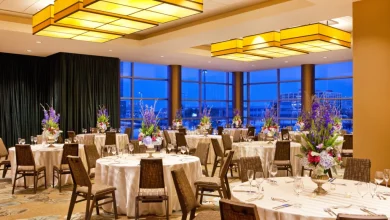
The environment must support the event’s purpose. For instance, corporate events may prioritize technical capability, while social events may emphasize ambiance.
Designing an Event Theme and Visual Identity
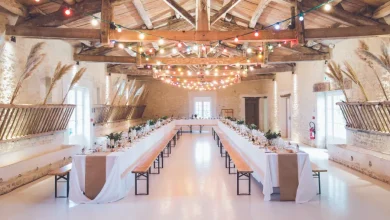
Visual cohesion increases guest immersion and emotional engagement. A theme is not limited to colors or style. It can represent a message, mood, or story.
Elements of Strong Event Design
- Consistent color palette
- Coordinated signage and graphics
- Lighting that complements mood
- Decor that enhances functionality
- Table settings, linens, and floral choices
- Stage design for speakers or performers
A consistent theme creates a polished, memorable impression that ties the event together.
Logistics Management and Operational Efficiency
Operational planning ensures smooth movement, reliable timing, and safety.
Key Logistics Components
- Vendor coordination
- Setup and teardown schedules
- Sound, lighting, and tech checks
- Guest registration and check in processes
- Staffing assignments
- Food service timing
- Emergency action planning
Logistics require precision, clear communication, and backup solutions. Effective coordination minimizes stress on the event day.
Catering and Culinary Experience
Food shapes guest satisfaction and energy levels. Catering must balance quality, timing, dietary needs, and overall flow.
Catering Considerations
- Dietary restrictions and allergies
- Serving style such as buffet, plated, or food stations
- Beverage service including alcohol policies
- Timing aligned with event programming
- Quality control and food safety measures
The menu should reflect the event’s tone. Formal events may use plated meals, while casual celebrations benefit from interactive food stations.
Audio, Visual, and Technology Integration
Technology enhances communication and keeps guests engaged.
Common Technical Components
- Microphones and sound systems
- Projectors or LED screens
- Lighting control for ambiance
- Stage equipment
- Live streaming capabilities
- Event apps or QR based programs
Technical planning includes redundancy. Backup equipment prevents disruptions that could affect the event’s success.
Guest Engagement and Experience Enhancement
Guest experience determines whether the event is memorable or forgettable. People should feel welcomed, comfortable, and involved.
Experience Building Tactics
- Warm and efficient check in process
- Clear signage and directional flow
- Entertainment that suits the audience
- Comfortable seating and accessible facilities
- Interactive elements like photo stations or Q&A sessions
- Thoughtful thank you gifts or digital follow ups
Happy guests remember the event and often share their experiences, expanding its impact.
Event Staffing and Team Coordination
Staff members act as the operational backbone. Their performance directly affects guest satisfaction.
Staffing Requirements
- Registration and greeting staff
- Security personnel
- Event coordinators
- Technicians for sound and lighting
- Servers and catering staff
- Cleanup crew
Training ensures staff understand roles, timing, guest interactions, and emergency protocols.
Safety Protocols and Risk Management
Safety must be prioritized at every event.
Essential Safety Elements
- First aid availability
- Crowd control planning
- Weather contingency plans for outdoor events
- Fire safety and exit mapping
- Alcohol policy enforcement
- Security presence as needed
Risk management protects guests, staff, and reputation while meeting local compliance requirements.
Post Event Follow Up and Impact Assessment
Follow up strengthens relationships and helps planners improve future events.
Effective Follow Up Steps
- Sending thank you messages
- Sharing photos, videos, or event highlights
- Collecting attendee feedback
- Reviewing vendor performance
- Evaluating budget accuracy
- Documenting lessons learned
Impact assessment gives insight into what succeeded and what needs refinement.
Frequently Asked Questions
How early should I begin planning an event
Small events may need one to three months, while large corporate or social events often require six months to a full year. The more complex the event, the earlier planning should begin.
What is the most overlooked factor in event preparation
Many planners underestimate the time required for logistics such as setup, technical checks, and guest movement. These details directly influence the event’s smoothness.
How can I prevent long lines at registration
Use pre check in systems, QR code scanning, multiple entry points, and well trained staff. Organizing attendees into groups or time slots also reduces congestion.
What should I do if a vendor cancels at the last minute
Maintain backup vendors or flexible contracts. Building relationships with multiple suppliers helps ensure quick replacement when needed.
How can I keep guests engaged for long events
Incorporate periodic breaks, varied programming, interactive segments, and refreshed seating layouts. Engagement depends on pacing, comfort, and variety.
If you’d like, I can also create articles on subtopics like event design, event logistics, catering strategy, guest engagement, or corporate event planning.