Expert Tips for Successful Window Installation and Replacement
When it comes to enhancing your home’s comfort, energy efficiency, and curb appeal, few upgrades make as big of an impact as window installation and replacement. Whether you’re dealing with drafty panes, outdated styles, or simply looking to increase your home’s value, choosing the right windows—and installing them correctly—is crucial. In this blog, we’ve gathered expert tips to help you navigate the process smoothly, avoid common pitfalls, and ensure your investment pays off. From selecting durable, high-performance materials to understanding the importance of skilled, professional installation from start to finish, consider the following insights that will set the stage for window success.
Proper prep work and planning is key before any windows are removed or new ones installed. Take inventory of the size, type and quantities needed while measuring openings precisely. Research local codes and regulations regarding installation requirements like waterproof flashings and air sealing. Quality windows from a reputable manufacturer will stand the test of time with a strong frame, multiple pane options and thermal breaks for energy efficiency. Consider optional features like easy-clean exteriors, security laminates and soundproofing technology.
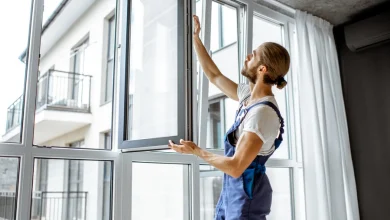
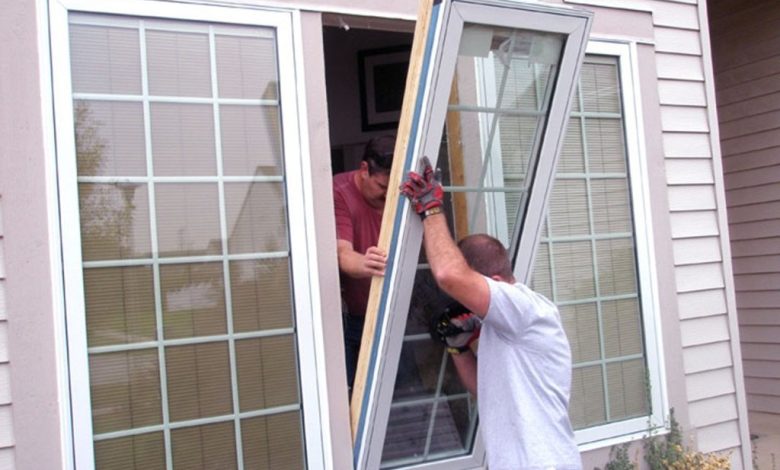
Hiring licensed, experienced window installers is highly recommended rather than attempting do-it-yourself installation for such a complex, technical project. Professional crews have the specialized tools, safety training and expertise to properly remove old windows, install new units squarely, plumb and level according to code as well as dispose of debris properly. They efficiently complete the job while minimizing disruption to your home. Master craftsmen will provide a watertight seal around openings through meticulous caulking and flashing work essential to preventing air and water infiltration issues down the road. Request full warranties in writing to cover workmanship, materials and future repairs if needed.
The Appeal of Style: Choosing Windows for Aesthetics and Function
When enhancing a home’s kerb appeal and aesthetics, window style plays a pivotal role. Traditional options like double-hung and casement offer both timeless designs and functionality. Double-hung windows contain two movable sashes, allowing optimal air circulation and easy cleaning. In contrast, casement windows hinged on one side and opening outward deliver expansive views and superior ventilation. For modern aesthetics, sliding windows provide a sleek profile and ease of use while picture windows maximize natural illumination and offer uninterrupted perspectives.
Choosing the right style considers more than appearance alone. A home’s architecture, local weather, and individual lifestyle should guide decision making. Coastal properties perhaps require impact-resistant windows to withstand strong winds and prevent water infiltration. Meanwhile, homes in hot climates may prioritize designs promoting cross ventilation and shading. Remember that window style not only beautifies but also impacts energy efficiency, value, and suitability – making careful selection worthwhile.
Energy Efficiency: How Different Window Materials Impact Insulation
The materials used in constructing windows directly influence energy efficiency, an increasingly crucial factor for homeowners aiming to cut energy bills and minimize their carbon footprint. Common materials include vinyl, wood, aluminum, and fiberglass, each presenting unique thermal properties.
Vinyl windows are highly regarded for providing excellent insulation and energy efficiency through low thermal conductivity and minimal maintenance requirements, making them an ideal pick for homeowners prioritizing both performance and aesthetics. Wooden windows, admired for their inherent beauty and customization possibilities, offer satisfactory insulation properties but can become problematic over time due to susceptibility to rot and pests without regular upkeep.
On the other hand, aluminum-framed windows are durable and lightweight yet tend to be less energy efficient unless incorporating thermal breaks, a design feature that lessens heat transfer. Additionally, fiberglass windows have emerged as a powerful contender in the market, often mimicking the appearance of wood while delivering superior energy efficiency and longevity.
When considering window materials, homeowners should search for those possessing the Energy Star label, ensuring that their window choices meet strict energy efficiency guidelines. Properly insulated windows can not only enhance year-round comfort but can also serve to boost overall home value and appeal.
Understanding Window Configurations: Single, Double and Triple Panes Demystified
Glazing refers to the arrangement of glass sheets in a window unit, significantly affecting the home’s insulation abilities and energy efficiency. Single-glazed windows contain one glass sheet, typically providing the least efficiency and prone to heat loss, sound permeation, and condensation issues. This alternative is usually best reserved for mild climates or structures where efficiency isn’t a primary priority.
Double-glazed windows comprise two glass sheets spaced apart by a divider and filled with an insulating gas (usually argon or krypton), offering notable enhancements in thermal insulation, noise decrease, and general comfort. This type of window can substantially decrease heating and cooling costs and is a commonly suggested upgrade for homeowners seeking better energy performance.
Emerging as a top pick for high-performance dwellings, triple-glazed windows incorporate an additional glass sheet and leverage advanced insulating technologies. Though initially more pricey, the long haul energy savings and increased comfort regularly warrant the investment. Triple-glazed windows excel at blocking noise and supply the highest levels of insulation, making them particularly suitable for regions with extreme temperatures or significant sound pollution.
Understanding glazing selections is crucial in making informed decisions about window installations that optimize functionality and efficiency.
Pre-Installation Plans for a Seamless Experience
Measuring Accurately: Essential Techniques for Precise Window Dimensioning
While window replacements promise attractive improvements, one must not underestimate the import of accurate dimensioning. Erroneous measurements at the outset can amount to wasted materials, time, and troubles down the line. A starting point is the existing frame, surveying its width and height at top, middle, bottom and sides with a tape to account for any warping. Note that the tightest spot rules for fit. Similarly, mind exterior trims and other obstructors that influence span.
Just as crucial is the frame’s depth, key to choosing the proper installation style. Upon finding all figures, corroborate your work and document clearly. Consult too an expert measurer or a supplier’s guidelines customized to window style. Their know-how can forestall later modifications necessitated by imprecise sizing at the first. With such diligence at the onset, one readies the project for smooth execution thereafter. Attention to detail pays off many times over.
Permits and Regulations: Guiding Window Installations with Local Codes
Before embarking on window replacements or installations, familiarizing yourself with area-specific building codes and regulations is imperative. Distinct municipalities can mandate unique requirements regarding window types, emergency egress standards particularly for bedrooms, and energy efficiency stipulations that affect projects.
Many locales demand permits for significant alterations like window swaps, especially when modifying window sizes or varieties. Initially, contact your local building department or browse their website for details on rules relevant to your location. Understanding these stipulations not only keeps projects compliant but also ensures safety standards are fulfilled, which proves critical when considering elements like window safety in homes housing children or seniors.
In some scenarios, homeowners may need to furnish technical drawings or plans as part of their permit applications. Acquiring necessary permits may appear challenging but guarantees installations adhere to regional best practices and can circumvent penalties or enforcement actions down the road.
Must-Have Gear for DIY Do-It-Yourselfers
Preparing a window installation project yourself necessitates the proper supplies to ensure work is finished effectively and safely. An all-inclusive toolbox will hold essentials like a measuring tape, level, and square for precise dimensions. You’ll also need a utility knife, prying bar, and hammer to eliminate old windows and ready the framework for new installations.
Power tools too play a key part; a cordless drill or screwdriver allows for quicker assembly and attachment, while a saw may be vital for modifying window size or trimming moldings. A caulking gun is imperative for applying sealant and weather-stripping to guarantee airtight fittings enhancing energy performance. Protection like gloves, goggles, and a mask will shield you from potential risks involving glass and construction debris.
Don’t forget about a quality ladder or scaffold if working on higher floors. Time put into acquiring the right gear will repay itself in the long run, smoothing and easing tasks. Consider borrowing tools when necessary or invest in quality equipment for potential projects down the road.
Stride-by-Stride Manual for Flawless Window Installation
Appropriate Procedures: Ways to Accurately Fit Windows for Optimal Function
Once the process of installing new windows begins, implementing a methodical approach can ensure triumphant results. Commence by delicately removing aged windows, taking utmost care to avoid harming the encompassing structures. Employ a pry bar to gently detach the sill from its casing in a cautious manner. Dispose of outdated panels conscientiously, contemplating local reusing prospects.
Next, make ready your entryway by eradicating any debris, dust particles, or barricades that could hinder the suitable fit of your fresh window. Apply flashing tape to the sill to bar water intrusion and ready the casing for placement. Situate the novel panel into the opening, making sure it is even and perpendicular. Utilize shims to regulate the window’s position, guaranteeing it fits snugly against all borders without coercing it into place.
Fasten the panel by screwing bolts through the frame cautiously. It is imperative to refrain from overtightening, as this could warp the window casing or damage the material. Once the window is secured safely, recheck once more for evenness and square shape before moving forward to sealing and concluding the opening.
Sealing the Windows is Crucial for Energy Conservation and Protection Against the Elements
After installing windows, applying silicone or polyurethane caulk around the exterior edges creates a barrier blocking air leaks and moist penetration. Use high quality caulk suitable for your climate zone, making certain the longevity of your seal.
Flashing plays a significant part in waterproofing and should be used in any areas at risk of water exposure. Properly installed flashing guides water away from windows, stopping leaks and damage to surrounding structures. Be sure flashing overlaps at seams to boost drainage capabilities, and think about installing head flashing over windows to aid rainwater diversion.
Finally, thoroughly inspect seals by examining for any gaps or inconsistencies after caulk has cured. This cautious step can save you from costly repairs in the long run.
Common Errors and Lessons Learned: Insights from Industry Veterans
Even the most practiced installers occasionally encounter issues; understanding these pitfalls helps avoid problems before they emerge. Frequently, measurements are incorrectly taken. DIYers sometimes overlook nuances, leading to improperly fitting windows and structural vulnerabilities. Measure carefully twice, and consult experts if uncertain.
Another region for mistakes involves selecting styles incompatible with local conditions. A mismatch between design and climate can cause operational difficulties and harm. Be sure materials and forms match your area’s weather. Erratic sealing often leads to air leaks and moisture infiltration, negating energy savings. Ensure caulking and flashing are flawlessly done, as gaps waste significant heat.
Above all, safety takes priority. Working at heights demands ladder caution and protection. Shortcuts risk accidents or uneven work compromising new windows’ integrity.
Preserving Quality and Performance Through Routine Care
Regular Checkups: Knowing When Specialists Are Needed
Crystal clear windows not only enhance the external appeal of a home but also allow for maximum natural light to enter living spaces. Cleaning windows should be part of regular home maintenance conducted each season or every six months.
Begin by dusting window frames and sills to remove dirt, cobwebs, and residue. When cleaning glass, a mixture of water and vinegar effectively removes grime without leaving streaks, as does a commercial cleaner. Windows should be washed on overcast days to prevent direct sunlight from causing solutions to dry too rapidly. For best results, use a squeegee to remove liquids from top to bottom, avoiding drips. Microfiber cloths excellently clean edges and remove stubborn marks.
Additionally, don’t neglect screens; cleaning prevents buildup extending lifespan. Simply detach screens from frames and rinse with water, permitting air drying before reinstallation. Well-maintained windows notably impact appearance and energy efficiency.
Repairs versus Replacement: Determining the Optimal Choice for Windows at Your Home
Choosing between mending or supplanting your windows can be a convoluted decision, particularly on the off chance that issues, for example, drafts, dampness, or crumbling outlines emerge. Various elements should be pondered before coming to an end.
To start, survey the degree of harm. Minor fixes, for example, supplanting climate stripping or resealing caulk, can significantly extend the life expectancy of your windows without requiring substitution. In any case, if various signs of disappointment arise—for instance, pervasive dampness, split glass, or discernable wear of outlines—substitution may demonstrate increasingly advantageous.
Vitality productivity ought to likewise assume a part in this choice; on the off chance that your windows fizzle to meet cutting edge vitality benchmarks, more up to date alternatives could build the estimation of your home while diminishing vitality bills in the long run.
Fundamentally, the age and sort of your present windows joined with your financial plan will direct your determination. A qualified window expert can give understandings and appraisals that will help in settling on a decision dependent on your home’s particular necessities.