The Comprehensive Guide to Food, Nutrition, and the Modern Eating Experience
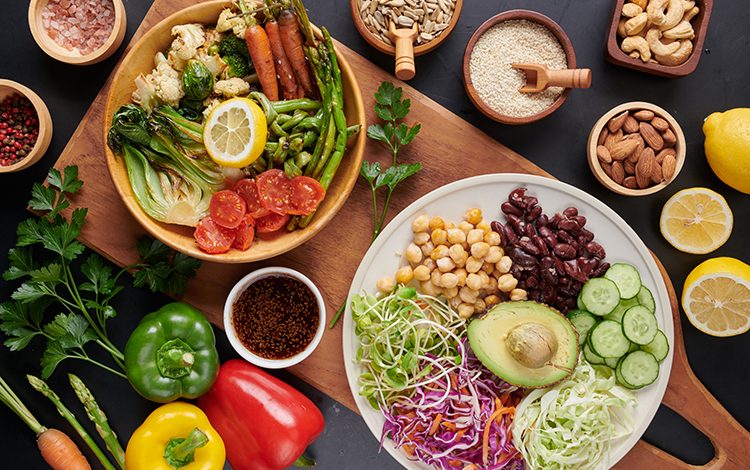
Food is more than fuel. It shapes culture, influences health, drives economic systems, and reflects personal identity. In the United States, people are increasingly aware that their relationship with food has long term consequences for physical wellness, mental clarity, and overall lifestyle. With growing access to diverse ingredients and evolving nutritional research, understanding food requires a careful look at science, habits, sustainability, and personal choice. The complexity of food extends far beyond flavor. It involves how ingredients are grown, how meals are prepared, and how individuals respond differently to what they consume.
How Food Choices Impact Health and Daily Performance
The human body relies on food for energy, cellular repair, immune function, and hormonal balance. What a person eats influences how they think, how they feel, and how effectively they perform daily tasks. Modern research shows that consistent food quality often matters more than isolated nutrients. People who prioritize whole foods, balanced meals, and mindful eating usually experience better long term health outcomes.
Food choices also influence mood and cognitive function. Fluctuations in blood sugar can affect focus and emotional stability, while nutrient dense meals support stable energy. In many American households, improving food habits begins with understanding how portions, macronutrients, and eating patterns shape both short term performance and long term resilience.
Understanding Macronutrients and Their Role in the Body
Every individual requires a balance of macronutrients. These nutrients provide energy and support major bodily functions.
Protein
Protein supports muscle development, tissue repair, metabolic function, and hormone production. High quality protein sources include poultry, fish, beans, lentils, eggs, and dairy. Adequate protein intake promotes satiety, making it valuable for weight management and performance.
Carbohydrates
Carbohydrates are the body’s primary source of quick energy. Complex carbohydrates such as whole grains, vegetables, and legumes provide fiber and steady glucose release. This helps prevent energy crashes and supports digestive health.
Fats
Healthy fats from nuts, seeds, avocados, and olive oil support brain function, hormone regulation, and nutrient absorption. They also provide long lasting energy and enhance meal satisfaction.
Micronutrients and Their Long Term Importance
Vitamins and minerals support cellular functions that keep the body strong and balanced. Although required in smaller amounts than macronutrients, micronutrients are essential for preventing deficiencies and optimizing health.
Crucial Micronutrients
- Vitamin D for bone health and immunity
- Iron for oxygen transport
- Calcium for bone density
- B vitamins for energy metabolism
- Magnesium for muscle function and stress regulation
A varied diet rich in colorful fruits and vegetables ensures coverage of most micronutrient needs.
The Science Behind Digestion and Nutrient Absorption
Understanding digestion helps people make informed decisions about food combinations, timing, and portion sizes. Digestion begins in the mouth and continues throughout the gastrointestinal system.
Key Stages of Digestion
- Mechanical breakdown through chewing
- Chemical digestion through enzymes and stomach acid
- Nutrient extraction in the small intestine
- Water absorption in the large intestine
Digestive efficiency can be influenced by hydration, fiber intake, gut microbiome diversity, and stress levels.
The Gut Microbiome and Its Influence on Health
The gut microbiome contains trillions of microorganisms that impact digestion, immunity, and even emotional stability. A diverse microbiome supports nutrient absorption, reduces inflammation, and enhances resilience against illness.
Foods That Support a Healthy Microbiome
- Fermented foods such as yogurt, kimchi, and kefir
- High fiber fruits and vegetables
- Whole grains and legumes
- Polyphenol rich foods like berries and green tea
Stress, processed foods, and low fiber diets can disrupt the microbiome, leading to digestive discomfort and weakened immunity.
Food Preparation Methods and Their Nutritional Impact
Cooking techniques significantly influence nutrient density and overall meal quality.
Popular Cooking Methods
- Steaming preserves nutrients, especially water soluble vitamins
- Grilling adds flavor but requires careful monitoring to avoid charring
- Sautéing in small amounts of healthy oils enhances absorption of fat soluble nutrients
- Roasting concentrates flavor but should be balanced with moisture rich foods
- Raw preparations maintain enzymes but may not suit all digestive systems
Understanding how preparation affects nutrient retention helps people choose methods that fit their wellness goals.
Cultural Influence and the Diversity of American Food Traditions
American cuisine reflects global cultural diversity. Immigrant communities have shaped national eating patterns by introducing spices, techniques, and signature dishes. Many traditional cultural diets align with modern nutritional science due to their reliance on whole foods, plant based components, and balanced meals.
Food traditions also influence family rituals, holiday celebrations, and personal identity. Understanding these cultural connections helps people appreciate food beyond its nutritional role.
The Role of Food in Social Connection
Food plays a major role in social gatherings, emotional bonding, and shared experiences. Eating together strengthens relationships and improves emotional wellbeing. The act of preparing meals for others communicates care and support.
Ways Food Enhances Social Life
- Celebrations centered around meals
- Family dinners that build routine and communication
- Community events like potlucks or cookouts
- Cooking as a shared hobby or learning activity
Sustainable Food Choices and Environmental Impact
Sustainability has become a major topic in the food industry. People increasingly want to understand how their choices affect the environment.
Factors in Sustainable Eating
- Reducing food waste
- Choosing seasonal produce
- Supporting local farmers
- Selecting responsibly sourced animal products
- Minimizing single use packaging
Personal choices collectively influence ecological footprint and long term planetary health.
Food Safety and Proper Handling Practices
Safe food handling prevents contamination and illness. Knowledge of basic safety practices protects households and ensures that ingredients retain their intended quality.
Essential Food Safety Steps
- Wash hands and surfaces before food preparation
- Store perishable items at proper temperatures
- Prevent cross contamination between raw and cooked foods
- Cook meats to recommended internal temperatures
- Refrigerate leftovers promptly
Food safety is especially important in households with young children, seniors, or individuals with compromised immunity.
The Psychological Relationship People Have With Food
Food influences emotional wellbeing and can become tied to stress, comfort, or reward. People often build habits unconsciously, which can lead to overeating, restrictive patterns, or inconsistent routines.
Encouraging a Healthy Mental Relationship With Food
- Practice mindful eating
- Avoid labeling foods as good or bad
- Recognize emotional triggers
- Build balanced routines rather than extremes
A healthy mindset supports long term wellness and reduces guilt based eating behaviors.
The Economics of Food in the United States
Food affordability varies widely depending on region, household income, and access to grocery stores. Understanding food economics helps people make informed decisions without compromising nutritional needs.
Smart Food Budgeting Strategies
- Buying in bulk for staples
- Using seasonal produce to reduce cost
- Planning meals ahead of time
- Comparing unit pricing
- Minimizing waste by using leftovers creatively
Smart planning promotes both financial stability and healthier eating habits.
The Rise of Functional Foods and Targeted Nutrition
Functional foods offer benefits beyond basic nutrition. These foods support specific health goals such as energy enhancement, digestion support, or immunity reinforcement.
Examples of Functional Foods
- Probiotic yogurt for gut health
- Oats for heart support
- Berries for antioxidant benefits
- Nuts for sustained energy
Functional foods are increasingly used in daily routines to support specific wellness outcomes.
Frequently Asked Questions
How can I tell if a food is nutrient dense
Nutrient dense foods contain high levels of vitamins, minerals, and beneficial compounds relative to their calorie content. Look for whole ingredients, bright natural colors, and minimal processing.
What is the best way to improve my diet without making drastic changes
Start by incorporating more whole foods, increasing fiber intake, drinking more water, and reducing highly processed snacks. Small, consistent adjustments often lead to long term success.
How does stress affect eating habits
Stress can increase cravings for sugar and high fat foods, disrupt digestion, and alter hunger signals. Mindfulness practices and structured meal routines help counteract stress related eating.
Is it better to eat three large meals or several small meals
Both methods can work depending on individual metabolism, health goals, and lifestyle. Choose the pattern that supports stable energy, comfortable digestion, and consistent nutrition.
How can I reduce food waste at home
Create meal plans, store foods properly, use leftovers creatively, freeze ingredients before they spoil, and adjust portions to avoid over preparation. Proper planning reduces cost and environmental impact.