The Depth of Fashion: How Style, Culture, and Innovation Shape the Modern Wardrobe
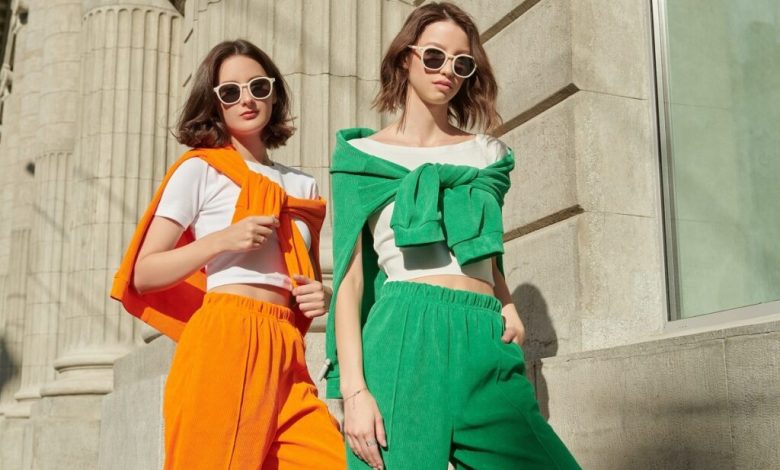
Fashion influences identity, personal expression, cultural storytelling, and economic growth. In the United States, people interact with fashion every day, whether through clothing choices, workplace expectations, cultural traditions, or personal creativity. Modern fashion is not just about aesthetics. It reflects psychology, social change, history, and technological progress. As the industry evolves, individuals look for clothing that aligns with lifestyle, comfort, ethics, and personal meaning.
How Fashion Reflects Identity and Social Behavior
Fashion operates as a visual language. Before a word is spoken, clothing communicates personality, confidence, values, and sometimes even mood. People use fashion to present themselves intentionally, signaling professionalism, creativity, tradition, or individuality.
Identity shaping through fashion begins early in life. By adolescence, clothing becomes a tool of self discovery, influenced by peers, media, and personal experimentation. Adults continue refining style based on career, environment, comfort needs, and cultural background.
The Psychological Impact of Clothing Choices
Clothing affects more than appearance. It alters mindset, behavior, and emotional state. Studies show that individuals experience higher confidence when wearing outfits aligned with their self perception and goals.
How Fashion Influences the Mind
- Wearing structured clothing can increase focus and strategic thinking
- Comfortable clothing can reduce stress and support productivity
- Colors influence mood and emotional energy
- Fit affects posture, movement, and self assurance
Fashion is not superficial. It is intertwined with mental well being, reinforcing how people view themselves in various environments.
Cultural Evolution and the Storytelling of Fashion
Fashion evolves with culture, absorbing influences from music, art, global traditions, and societal shifts. Clothing trends often mirror historic moments.
Examples of Cultural Influence
- Work attire trends shifting due to remote work growth
- Streetwear gaining popularity as music and sports merge with everyday fashion
- Cultural garments gaining visibility as diversity grows
- Vintage styles returning as sustainability values increase
The weaving of culture and clothing ensures fashion is never static. Instead, it responds to the world’s changing values and artistic spirit.
The Structure of Modern Fashion Systems
Behind every garment is a network of designers, pattern makers, textile specialists, and manufacturing roles. Fashion functions as a global system with layered decision making and innovation.
Core Elements of Fashion Creation
- Design development, including sketches and prototypes
- Textile selection, choosing fabrics with the right durability and feel
- Pattern construction, transforming designs into wearable forms
- Sample testing, ensuring comfort and movement compatibility
- Production, involving precision, quality checks, and consistency
Understanding this system helps people appreciate the craftsmanship behind everyday items, from tailored suits to athletic wear.
Sustainable Fashion and Ethical Considerations
Consumers increasingly seek clothing that aligns with ethical and environmental values. Sustainability influences purchasing decisions as individuals examine lifespan, material sourcing, and environmental impact.
Key Sustainable Practices
- Using long lasting fabrics
- Reducing waste through efficient pattern cutting
- Choosing natural fibers
- Designing for repairability
- Recycling textile scraps
- Supporting transparent supply chains
Sustainable fashion requires collaboration between creators and consumers, encouraging thoughtful selection and long term care of clothing.
The Influence of Technology on Fashion
Technology has completely transformed how Americans create, purchase, and experience clothing.
Digital Advancements Reshaping the Industry
- Virtual try on tools that help shoppers understand fit
- 3D design software that reduces sample waste
- Smart fabrics that adjust to body temperature
- Apparel personalization tools for custom fit
- Automated cutting for precise manufacturing
This merging of technology and artistry produces clothing that is smarter, more comfortable, and better aligned with individual needs.
Textile Innovation and Fabric Performance
Modern textiles are engineered for durability, comfort, and versatility. Fabric selection strongly influences how clothing behaves in real life situations.
High Value Textile Advances
- Moisture wicking materials for athletic activity
- Wrinkle resistant fibers for travel and office wear
- Breathable weaves for warm climates
- Insulating layers for cold environments
- Stretch fabrics that support movement
The right fabric enhances comfort and longevity, making textile knowledge essential for both designers and consumers.
Color Theory and the Power of Visual Impact
Color is one of the most influential elements in fashion. It affects emotion, coordination, and overall presentation.
Color Considerations in Fashion
- Warm tones create energy and confidence
- Cool tones evoke calmness and sophistication
- Neutrals provide balance and versatility
- Accent colors add personality and visual interest
Understanding color pairing allows individuals to build wardrobes that feel cohesive and expressive.
Body Types, Fit Science, and Personal Comfort
Fit determines whether clothing feels effortless or constricting. Many Americans underestimate how much structure, seam placement, and proportions influence comfort and appearance.
Factors That Influence Fit
- Shoulder width alignment
- Fabric stretch percentage
- Garment length relative to height
- Waistband structure and adjustability
- Seam placement for freedom of movement
Clothing designed with ergonomic principles in mind supports posture, mobility, and long term wearability.
Building a Functional and Versatile Wardrobe
A well curated wardrobe is not defined by quantity but by purpose and flexibility.
Key Components of a Reliable Wardrobe
- Neutral base pieces for layering
- Seasonal essentials adapted to local climate
- High quality outerwear
- Statement items for personality
- Durable footwear that suits lifestyle needs
- Accessories that shift outfits from casual to formal
Wardrobe planning minimizes waste, improves outfit coordination, and reduces decision fatigue.
The Economics of Fashion and Consumer Decision Making
Fashion choices are affected by income, value perception, and long term cost analysis. Many consumers prioritize durability and versatility over impulse buying.
Smart Fashion Investment Principles
- Assess cost per wear rather than sticker price
- Prioritize timeless silhouettes over fragile trends
- Choose quality materials for longer lifespan
- Consider tailoring for improved fit
Cost awareness helps individuals build intentional wardrobes without unnecessary spending.
Fashion as a Professional Tool
In the workplace, clothing influences how individuals are perceived and how confidently they present themselves.
How Fashion Shapes Professional Presence
- Clean, structured outfits signal leadership
- Coordinated colors create visual polish
- Comfortable yet professional footwear supports posture
- Proper fit enhances credibility
Fashion in professional spaces is not about impressing others but about communicating capability and preparedness.
Accessorizing as an Extension of Personal Style
Accessories refine an outfit, adding detail and intentional design.
Impactful Accessories
- Watches that add sophistication
- Belts that improve fit and structure
- Jewelry that highlights personal touch
- Scarves that add color and texture
- Bags selected for function and style
Accessories allow people to rotate limited wardrobe items into multiple looks.
Fashion Across Life Stages
Needs shift as lifestyle, career, and physical dynamics evolve.
Life Stage Fashion Considerations
- Young adults often prioritize experimentation and affordability
- Mid career individuals seek durability and professional polish
- Older adults focus on comfort, fit, and timelessness
Understanding these evolving priorities helps build more adaptive wardrobes.
Frequently Asked Questions
How can I find my personal fashion style
Start by identifying colors you naturally reach for, silhouettes that feel comfortable, and outfits that make you confident. Build from what already feels authentic instead of copying trends.
What should I prioritize when buying new clothing
Focus on fabric quality, construction details, proper fit, and versatility. Choose items that can be worn in multiple settings.
How often should a wardrobe be updated
A functional wardrobe needs periodic refreshes based on weight changes, career transitions, season shifts, or worn out staples. There is no fixed schedule.
How important is tailoring for improving fit
Tailoring can transform how an outfit looks and feels. Minor adjustments at shoulders, hems, or waistlines greatly enhance comfort and presentation.
What is the best way to maintain clothing longevity
Wash garments according to care instructions, store them properly, avoid over drying, and rotate items to prevent excessive wear on specific pieces.
If you’d like, I can also produce related articles such as fashion psychology, wardrobe building, textile science, personal styling, or fashion sustainability.