What do perfect pairs and 21+3 side bets cost in blackjack edge?
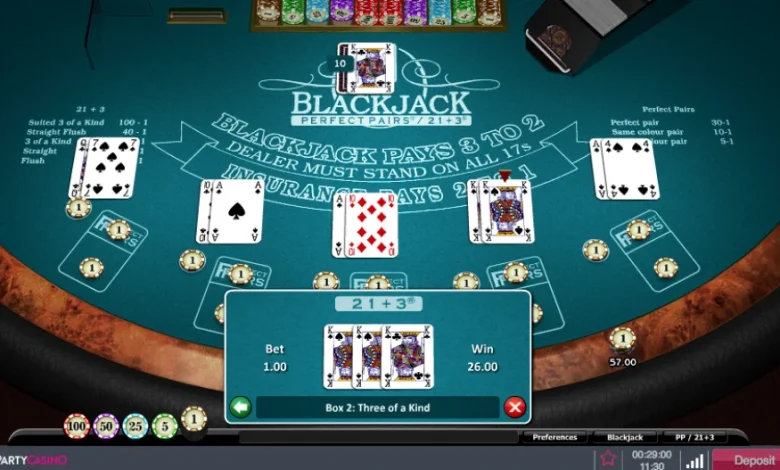
Perfect pairs and 21+3 are the two most widely available side bets across crypto blackjack tables, and each carries a house edge that applies independently of the main hand result on every round the bet is placed. The edge cost of both runs is higher than the base blackjack game edge, which means placing them regularly across a session increases the expected loss rate above what the main game alone produces. crypto.games blackjack variants display payout tables within the game interface, but the edge figure attached to each bet is rarely presented alongside the payout information in a format that makes the cost immediately visible.
Perfect pairs edge cost
Perfect pairs pays when the player’s initial two cards form a pair, with the payout rate varying based on whether the pair is mixed in colour and suit, matched in colour but different in suit, or identical in both value and suit. The three categories carry different payout rates, and the house edge on the overall bet is determined by the combination of each category’s payout rate and its frequency of occurrence across the deck composition in use.
- A mixed pair occurs more frequently than the higher-paying categories and pays at the lowest rate in the structure. A perfect pair pays at the highest rate but occurs rarely enough that its payout contribution does not offset the edge built into the lower-paying categories across volume. The house edge on perfect pairs runs considerably higher than the main blackjack game edge, often sitting between four and ten per cent, depending on the number of decks in use and the specific payout ratios the variant applies.
21+3 edge cost
21+3 combines the player’s first two cards with the dealer’s upcard to form a three-card combination, paying when that combination produces a qualifying result. The payout structure runs from the lowest-paying flush to the highest-paying suited triple, and the edge is produced by the gap between each category’s payout rate and its actual frequency across the deck composition.
- The flush result occurs most frequently among qualifying combinations and carries the lowest payout in the structure. The suited triple carries the highest payout but occurs rarely enough that it does not shift the overall expected return meaningfully toward the player. The house edge on 21+3 typically runs between three and six per cent, depending on the deck count and payout structure of the specific variant, placing it above the main game edge in most crypto blackjack formats where both appear together.
Side bet combined impact
Placing both perfect pairs and 21+3 on every hand compounds the edge cost against the session balance because each side bet stake is assessed against its own independent house edge on every round, regardless of the main hand result.
The side bet stakes are typically smaller than the main hand stake, but the higher edge applied to each one means the combined cost per round from both side bets can approach or exceed the expected loss from the main hand across consistent session volume. A player placing both side bets on every round loses at a materially faster rate than one playing the main game alone at the same stake level, and that difference compounds with every additional round played under that structure. Confirming the edge cost of each side bet before the session opens gives an accurate picture of the true cost each round carries when both bets are active alongside the main hand.