When Roots Outstay Their Welcome: What Really Goes Into Clearing A Yard
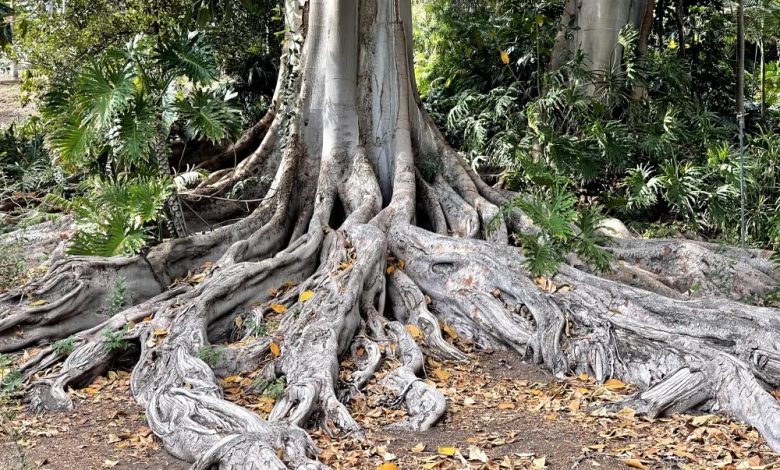
It often starts with a single branch brushing the window or a tree leaning just a little too far over the roof. Trees add beauty and character to a property, but there comes a point when what once provided shade or curb appeal becomes a safety concern or a landscaping headache. Removing a tree is never a casual decision, and once it’s gone, the work isn’t over. What remains below the surface—namely, the stump—can cause just as many issues as the towering limbs that came before it.
Homeowners are often surprised by the complexity involved in both tree and stump removal. It’s not as simple as grabbing a chainsaw and digging with a shovel. Between safety risks, local regulations, and the biology of tree roots, a well-managed removal process requires the right tools, timing, and experience.
Why Trees Are Removed in the First Place
The most obvious reason to remove a tree is when it becomes a hazard. Dead or dying trees can fall unexpectedly, especially during storms or periods of high wind. Even a large limb dropping from a modest height can do serious damage to a car, a roof, or someone passing underneath. But beyond the obvious safety threats, there are subtler signs that a tree needs to go.
Trees too close to a home can cause foundational issues as roots push up concrete or interfere with plumbing lines. Others may suffer from diseases that are difficult to detect until the damage is done. Some simply outgrow the space they were planted in decades earlier, casting too much shade over a yard or crowding out other plantings.
When a tree is clearly beyond saving, removal is often the safest and most responsible choice. But it’s what happens afterward that catches many people off guard.
Stumps Are Stubborn for a Reason
Once a tree is cut down, its stump doesn’t simply fade into the landscape. Depending on the species, the size of the tree, and how it was removed, a stump can remain intact for years. That might not seem like a problem at first, but it doesn’t take long for issues to surface.
Tree stumps can become trip hazards, interfere with lawn mowing, or become homes for insects and fungi. Termites, ants, and beetles often see old stumps as prime real estate. Left untreated, these pests may eventually migrate to other parts of the yard or even into the home.
What’s more, many stumps continue to produce new shoots in an effort to regrow. These suckers can sprout up repeatedly, creating an ongoing cycle of cutting and regrowth that frustrates even the most diligent homeowners. This is where professional tree and stump removal becomes an investment in long-term property health, not just aesthetics.
How Professionals Approach the Job
Removing a tree safely requires knowledge of how it’s likely to fall, which limbs to cut first, and how to avoid injury or property damage. Even small trees can weigh hundreds of pounds. Larger ones often need to be taken down in sections, using ropes, pulleys, and in some cases, cranes. Arborists and tree removal experts are trained to assess each tree’s condition and location before making a single cut.
When it comes to stump removal, there are a few options. Grinding is the most common method, using a machine that shaves the stump down several inches below ground level. While this doesn’t remove the roots entirely, it renders them harmless and allows for replanting or turf installation over the area. Complete stump removal, which involves digging out the entire root system, is more labor-intensive but may be necessary for large trees or if regrading is planned.
Both methods require specific equipment and expertise. Attempting to remove a stump without the proper tools can damage underground utilities, irrigation systems, or nearby hardscaping.
Permits, Permits, Permits
In many areas, removing a tree—especially one near a street or on a larger lot—requires a permit. Municipalities may have rules protecting certain species, or they might require a replacement tree to be planted in its place. Violating these codes can result in fines or delays if you’re trying to complete a larger project like a home renovation or fence installation.
Working with licensed tree and stump removal professionals ensures that all regulations are followed. These teams also carry liability insurance in case something goes wrong, which provides an extra layer of protection for homeowners.
Timing Matters More Than You Think
There’s a right time and a wrong time to remove a tree. Winter and early spring are often ideal because trees are dormant, making them lighter and less prone to stress-related damage during removal. However, emergencies—like storm damage or disease—don’t always wait for the calendar to cooperate.
Stump grinding and removal, by contrast, can usually be done year-round, but it’s best done when the ground isn’t frozen or overly wet. A soft yard can make it difficult to operate heavy machinery without tearing up the lawn.
If you’re planning major landscaping, pool installation, or home expansion, it’s smart to schedule tree and stump removal well in advance. That allows time for any required permits, gives the area time to settle, and avoids delays caused by unexpected root systems or soil issues.
Don’t Forget What Comes After
Once the tree and stump are gone, you’re left with a blank slate—and a pile of mulch if you opted for grinding. Some homeowners use the mulch for landscaping beds, while others prefer to have it hauled away. In either case, the area may need soil amendments to support future plantings, especially if the tree removed was particularly large or had acidic needles like pine.
It’s also worth checking in on the area over the next few months. Some root systems can send up shoots even after the stump is ground, and the soil may settle unevenly. Regular monitoring ensures that your newly cleared space stays healthy and usable.
A Clean Yard is a Safer Yard
Removing an old tree or stubborn stump isn’t just about looks. It’s about protecting your home, improving safety, and opening up possibilities for your outdoor space. Whether you’re making way for a garden, creating room for a new patio, or simply eliminating a hazard, thoughtful tree and stump removal can make a big difference in how your yard looks and functions.
And while it might be tempting to rent a grinder or call in a favor from a friend with a chainsaw, this is one of those times when the expertise of professionals can’t be overstated. They bring more than just tools to the job. They bring insight, safety, and solutions you may not have considered.