Giving Back: Why Plasma Donation Matters More Than Ever
Key Takeaways
Blood plasma is vital for treating numerous medical issues such as liver failure and clotting disorders. Its life-saving therapies stem from the plasma of healthy donors.
By significantly enhancing the quality of life for those with chronic illnesses, plasma therapy underscores the importance of regular donations to satisfy medical needs.
The donation process in Salt Lake City is straightforward, encompassing registration, a health assessment, the actual donation, and post-donation care, usually completed in under two hours.
Myths regarding plasma donation, like its supposed pain levels or duration compared to blood donation, are often baseless, deterring potential contributors.
Opting for ABO Plasma for donations guarantees top-notch care, bolsters local healthcare efforts, and offers flexible hours that accommodate busy lifestyles.
Every plasma donation can potentially benefit 3-5 patients, which emphasizes the crucial impact of plasma-derived therapies that serve over 1 million individuals each year.
Consistent plasma donations cultivate a culture of generosity in the community, boosting both donor health and providing essential medical treatments to those in dire need.
Unveiling the Critical Role of Blood Plasma in Medical Treatments
How Plasma Therapy Works: A Lifesaving Lifeline
Blood plasma has an indispensable role in modern medicine, especially in treating various health conditions. Comprising water, salts, and proteins, each component plays a pivotal role in the human body. Plasma therapy specifically harnesses this component to create products that fight diseases, replenish blood volume, and more.
This therapy proves effective for patients with ailments like liver failure, burn injuries, and clotting disorders. Healthy donors provide plasma, which is transformed into life-saving treatments, including immunoglobulin and clotting factors. Administering these therapies allows healthcare providers to support patients in recovering from severe illnesses, which might otherwise lead to dire outcomes.
Professionals in the field consistently emphasize the profound effect of plasma therapy. It not only aids recovery but also dramatically uplifts the quality of life for patients facing chronic diseases. Yet, it’s crucial to recognize that without committed donors, these life-saving therapies would simply not exist. Regular donations are absolutely necessary to keep pace with growing medical needs.
Real-Life Stories: Plasma Donors Making an Impact in Salt Lake City
Take, for example, the story of a young mother from Salt Lake City who battled a severe autoimmune disorder. Plasma therapy became a pressing need—doctors explained how antibodies from compassionate plasma donors could profoundly impact her recovery. Thanks to the local community and dedicated donors, she received the treatment needed to regain her strength and reunite with her family.
This isn’t just a one-time story. Numerous individuals have seen their lives transformed by the selflessness of plasma donors. One donor shared their thoughts: “When I realized how simple it was to make such a difference, it felt like an obvious choice.” This sentiment resonates within the community; each donation becomes a sign of hope for those in need.
The influence of plasma donations echoes throughout Salt Lake City, demonstrating how acts of kindness can bring healing and recovery to many lives.
Understanding the Plasma Donation Process in Salt Lake City
Step-by-Step: What to Expect When Donating Plasma
For anyone considering blood plasma donation in Salt Lake City, getting a grasp of the donation process is crucial. Here’s a quick overview:
- Registration: Donors fill out necessary paperwork upon arrival, which includes medical history and consent forms.
- Physical Assessment: A health professional conducts a brief examination to ensure the donor is healthy and eligible for donation.
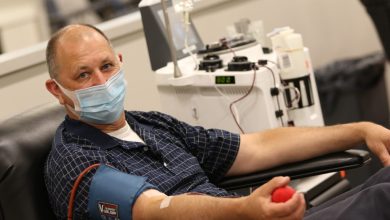
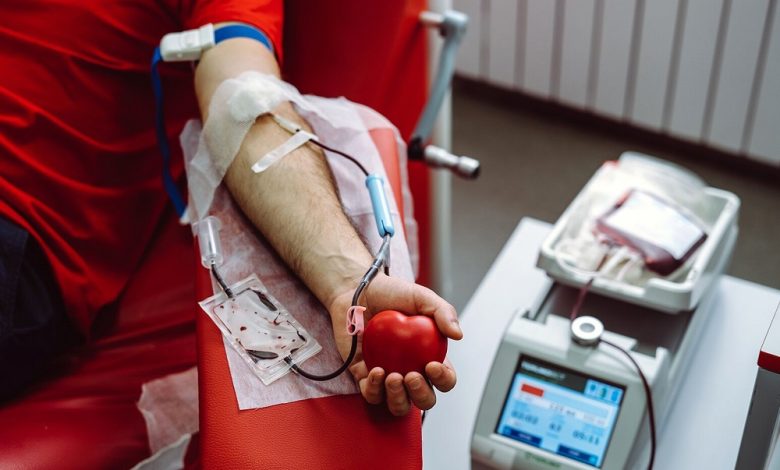
- Donation Procedure: The actual donation generally lasts about 45 minutes, during which blood is drawn, plasma is separated, and red cells are returned to the donor’s system.
- Post-Donation Care: After the donation, a short monitoring period occurs before donors can leave. Resting and hydrating are recommended.
This streamlined procedure is designed for efficiency and comfort. However, it’s important to remember that understanding what to expect greatly enhances the donation experience.
Myths vs. Facts: Clearing the Confusion Around Plasma Donation
Misunderstandings regarding plasma donation are quite common. By addressing these misconceptions, individuals can contribute more confidently. Here are some prevalent myths contrasted with the facts:
- Myth: Plasma donation is more painful than blood donation.
Fact: Many donors find it to be a quick and relatively pain-free experience. - Myth: Donating plasma takes a long time.
Fact: The complete process usually takes less than two hours, fitting conveniently into most schedules. - Myth: Only specific individuals are eligible to donate plasma.
Fact: Many healthy people can donate, as long as they meet certain health standards.
Clearing these misconceptions is key. It encourages participation and ensures that patients can access the plasma-derived therapies they depend on.
Why Choose ABO Plasma for Your Donation Journey?
Expert Insights: The Benefits of Donating at ABO Plasma
Prospective donors often ask why ABO Plasma should be their first choice. Here are several compelling reasons:
- Quality Care: At ABO Plasma, donor comfort and well-being are priorities, ensuring a seamless experience from beginning to end.
- Community Driven: Donations at ABO benefit local residents directly and strengthen regional healthcare initiatives.
- Flexible Hours: The facility offers various operational hours, allowing donors to fit the experience into their busy lives.
Research shows that donation centers like ABO Plasma can significantly promote community engagement. A welcoming and accessible environment encourages more individuals to commit to regular donations.
Community Focus: How Your Plasma Donation Fuels Local Healthcare
Grasping the community-focused impact of plasma donations can entirely shift the perspective. By choosing ABO Plasma, donors directly enhance local healthcare. The results are clear: hospitals and clinics gain swift access to platelet-rich plasma, which is crucial for addressing traumatic injuries, surgeries, and diseases.
“Your donation isn’t just a transaction; it’s a lifeline for someone in your community.”
As community connections grow stronger, so does the commitment to maintaining good health. Each plasma donation ensures local healthcare providers can promptly deliver essential treatments. Clients often find satisfaction in knowing their efforts truly make a difference.
The Lasting Impact of Plasma Donation on Health and Society
Statistics That Matter: Plasma Donation and its Far-Reaching Effects
Data reveals that plasma donation plays a pivotal role in sustaining public health. Currently, over 1 million patients rely on plasma-based therapies annually. Simply donating plasma can generate life-saving medicines that treat serious conditions like hemophilia and immune deficiencies.
Consider these revealing statistics:
- Plasma-derived therapies constitute over 70% of treatments for individuals with immune disorders.
- With a single donation, one donor can potentially assist 3-5 patients, depending on medical needs.
- A typical donation center can gather enough plasma to aid approximately 20,000 patients in a year.
These figures aren’t just numbers—they’re a call to action. Every donation holds value, and the collective impact of continuous contributions should not be overlooked.
Becoming a Regular Donor: Building a Lifesaving Habit
Establishing a routine of regular donations nurtures a giving culture within the community. It transforms a singular act into a lifesaving habit. Those who donate frequently often notice improved health as they help others.
Setting personal goals, like donating every two weeks, can foster a sense of achievement. Effective reminders and community encouragement can further enhance commitment. Donors frequently share advice about timing, hydration, and ensuring a pleasant experience. Behavior change experts assert that developing habits requires time and consistency, but it’s essential to make a pledge—to oneself and to the community.
Ultimately, the path to becoming a staunch advocate for plasma donation is marked by dedication to community well-being and breaking down barriers to accessing vital healthcare.
FAQ
How often can someone donate plasma?
Generally, individuals can donate plasma every 28 days. This schedule allows the body to restore plasma volume while enabling donors to participate regularly without jeopardizing their health.
What are the eligibility requirements for donating plasma?
Typically, donors must be at least 18 years old, weigh at least 110 pounds, and be in good health. Specific health conditions or medications might affect eligibility; hence, a health assessment is performed during registration.
What should donors do before their appointment?
Experts recommend staying well-hydrated and consuming a nutritious meal beforehand. Avoiding fatty foods and alcohol in the days leading up to the donation helps ensure a smoother process.
Can plasma donation affect overall health positively?
Definitely. Many donors report better health outcomes, including improved hydration levels and increased plasma protein production. Moreover, contributing positively to the community can foster a sense of personal fulfillment.
What happens to the plasma after it is donated?
Following donation, plasma undergoes safety testing before it’s processed into various essential therapies. These may include immunoglobulins, clotting factors, or other agents used to treat a variety of medical conditions.
Is there any compensation for donating plasma?
Compensation depends on the donation center, yet many facilities, like ABO Plasma, provide financial incentives or rewards for donors. This strategy helps promote regular donations while supporting community health initiatives.
How can someone encourage friends or family to donate plasma?
Sharing personal experiences and highlighting the positive impacts of plasma donation can be effective. Organizing group donation events or informational sessions at community venues can help raise awareness and inspire participation.
What should donors expect in terms of post-donation recovery?
After donating, individuals are usually monitored for a short period. Resting and staying hydrated is advised for recovery. Most donors feel fine shortly thereafter and can usually resume normal activities without any issues.
Useful Resources
- American Red Cross Blood Services
- AABB (American Association of Blood Banks)
- Plasma Protein Therapeutics Association
- National Heart, Lung, and Blood Institute
- Centers for Disease Control and Prevention
- World Plasma Donation Network
- Donate Life America
- gov – Understanding Insurance and Health Benefits