Unlocking The Surprising Health And Financial Perks Of Plasma Donation
Key Takeaways
The growing need for plasma stems from the increasing prevalence of chronic illnesses and innovations in medical treatments. This makes plasma donation crucial for both patient care and community health.
Therapies derived from plasma greatly enhance the quality of life for patients, especially those grappling with autoimmune disorders or recovering from severe burns. This emphasizes how essential plasma donations are in improving health outcomes.
Those who donate plasma regularly may notice a boost in their immune function and overall well-being. The donation process can stimulate the body’s antibody production, often leading individuals to adopt healthier habits.
Moreover, plasma donation can serve as a tool for weight management by ramping up metabolism since the body burns calories while regenerating plasma post-donation.
Compensation for plasma donation generally falls between $20 and $50 per session. This provides financial incentives for donors, complementing the selfless impact of their contributions.
For many, plasma donations represent a practical source of additional income, especially for those facing financial strains, showcasing how donors can both benefit themselves and enhance the community’s healthcare resources.
Plasma donation centers prioritize the safety and comfort of donors, employing strict hygiene standards and creating welcoming environments to ensure positive experiences.
Why Plasma Donation Is a Lifesaving Act for Local Communities
The Growing Demand for Plasma: What’s Driving It?
In recent years, the demand for plasma and its derivatives has risen sharply. Various factors drive this increase, particularly the surge in chronic diseases that require plasma-based treatments. Additionally, advancements in medical science have broadened the scope of conditions treatable by plasma therapy, further intensifying the demand. Patients worldwide depend on plasma for critical therapies, ranging from clotting factors for hemophilia to immunoglobulin therapies enhancing immune systems. The reality is, without dedicated plasma donors, numerous individuals could face severe health risks.
This essential need impacts local communities directly. Plasma donation centers, like those found in Cherry Hill, NJ, play a pivotal role in providing a steady supply of this necessary resource. It’s truly a community endeavor; when individuals invest a bit of their time, they can bring about significant changes in others’ health journeys. Isn’t there something profoundly rewarding about knowing that one’s kindness can create such a dramatic impact?
Patients’ Lives Depend on Your Generosity: A Real-World Impact
Think about the countless patients whose lives are at stake due to the need for plasma-derived therapies. Take those with autoimmune diseases or burn injuries, often requiring extensive plasma infusions for recovery. By choosing to donate plasma, individuals supply critical treatments that can dramatically improve these patients’ lives. A simple donation could directly affect the happiness of a family or the recovery of a child. Every donation counts.
Moreover, evidence suggests that communities with high plasma donation rates not only benefit from improved health outcomes but also cultivate a sense of unity and collective purpose. When people engage in plasma donation, they embrace a spirit of giving. It fosters a shared experience where individuals unite for a meaningful cause. It’s no surprise that many regard plasma donation as a vital lifeline for their communities.
Hidden Health Benefits of Donating Plasma You Probably Didn’t Know
Boosting Your Immune System: How Plasma Donation Helps
Donating plasma isn’t merely an act of kindness; it also provides numerous health advantages for the donors. Interestingly, the process can enhance immune function. As individuals donate, their bodies strive to replace the lost plasma, often prompting increased antibody production. This boosts immunity. Some studies suggest that regular donors may encounter fewer illnesses over time, simply because their immune systems are actively engaged in replenishment.
In addition to that, the entire donation experience promotes hydration and heightens health awareness among participants. Frequent donors often pursue healthier diets filled with vitamins and minerals, ensuring the plasma quality remains high. It’s kind of a wellness circle: donating plasma instills a motivation to prioritize personal health, thereby ensuring that the body is ready to give back.
Weight Management and Metabolism: The Unexpected Connection
Another intriguing perk of plasma donation relates to weight management. Surprisingly, many people might not realize that the donation could actually energize metabolism. The act of donating plasma requires the body to expend energy for regeneration, leading to calories burned in the process. Therefore, it’s not solely about altruism; there are metabolic gains involved, too. Every donation can aid in managing weight.
Furthermore, committing to regular plasma donation often encourages individuals to cultivate healthier routines. It can lead to improved habits around fitness and nutrition. Many may feel an increased drive to engage in activities supportive of overall wellness. Even simply scheduling a donation date can create personal accountability. Doesn’t that sound like a win-win?
Understanding the Financial Perks of Plasma Donation
Compensation Models: What Can Donors Expect to Earn?
The financial aspects of plasma donation warrant a closer look. Many potential donors may be unaware that their efforts often come with compensation, which can be quite appealing. Compensation rates can vary by location and demand, but generally, donors can expect to earn between $20 and $50 per session. Some centers even offer tiered payment plans based on donation frequency. This can accumulate quickly.
For instance, consistent donors can see their monthly earnings add up, which can help offset daily expenses or be set aside for savings. This is especially valuable in areas like New Jersey, where living costs tend to be higher. Essentially, donors provide a helping hand to others while benefiting their own finances at the same time.
How Donations Contribute to Individual Financial Welfare
Beyond the direct compensation received from plasma donation, several indirect financial perks also come into play. Many individuals find that their routine donations can act as an additional income source. For those facing economic challenges, this extra cash flow can be crucial. It’s a practical means to support oneself while doing good.
Additionally, consider the broader economic impact. Communities with robust plasma donation centers tend to bolster local economies, creating job opportunities and generating revenue. For example, a higher number of donors can lead to the success of more centers, resulting in additional employment options in the healthcare sector. Ultimately, this contributes to greater community wellness and prosperity.
What to Expect During Your First Plasma Donation Experience
Step-by-Step Walkthrough: The Donation Process Explained
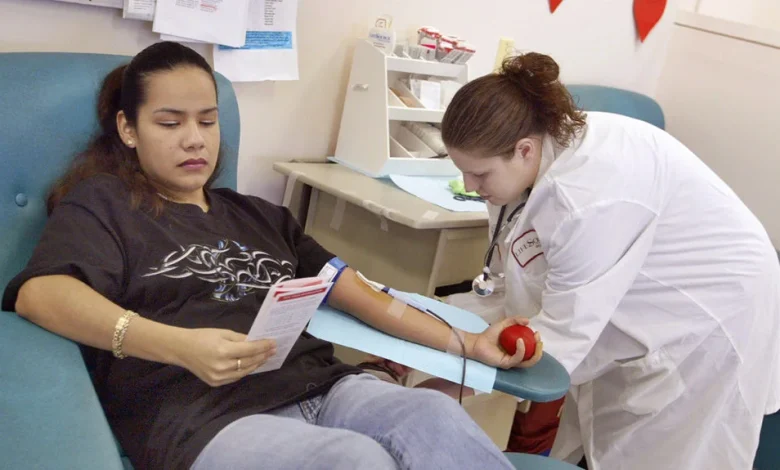
Walking into a plasma donation center can stir a mix of excitement and nervousness for first-time donors. However, familiarizing oneself with the process beforehand can alleviate anxiety and ensure everything goes smoothly. Here’s a general outline of what donors can expect on the day of their donation:
- Registration: Donors will need to complete some paperwork, detailing their medical history and personal information.
- Health Screening: A brief health assessment follows, typically checking blood pressure, pulse, and hemoglobin levels.
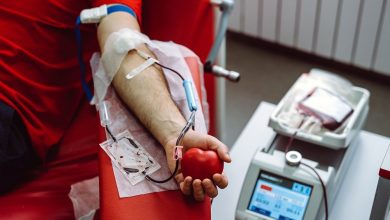
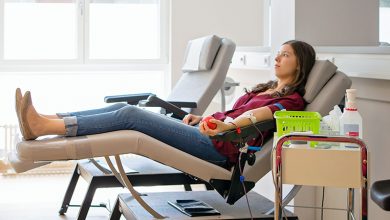
- The Donation: Donors will recline comfortably while a sterile needle is inserted into a vein, allowing plasma to be collected. This generally takes around 45 minutes to an hour.
- Post-Donation Care: Once the donation concludes, donors will take a moment to rest and enjoy refreshments to help restore their energy levels.
- Compensation: After everything is wrapped up, donors will receive their compensation before they leave the center.
Appointments can often be scheduled online, making the entire process user-friendly. It’s designed to prioritize comfort and efficiency for everyone involved.
Addressing Common Concerns: Safety and Comfort Measures
Ensuring donor safety is paramount in the plasma donation process. Donation centers uphold strict hygiene and care standards to alleviate potential concerns. Donors can rest assured that all equipment is sterile and single-use, effectively minimizing the risk of infection. Safety protocols are rigorously observed.
Comfort remains a high priority throughout the experience. Centers usually offer reclining chairs, calming environments, and various ways to unwind, including entertainment options. Many donors find it helpful to engage in light conversations or focus on their mobile devices during the donation process. Indeed, the aim is to create a pleasant experience overall. Donors should feel confident they are in expert hands.
Thus, for individuals considering plasma donation in New Jersey or elsewhere, there’s plenty of reason to feel assured about the process. The benefits reach far beyond just the act of giving; they ripple throughout communities, positively impacting countless lives in ways that can be truly transformative.
FAQ
Can anyone donate plasma, or are there restrictions?
Eligibility for plasma donation typically adheres to specific criteria. Generally, donors need to be at least 18 years old, weigh a minimum of 110 pounds, and clear a health screening. Various health conditions, medications, or lifestyle choices may also lead to temporary deferrals from donating.
How often can someone donate plasma?
Most plasma donation centers allow individuals to donate once every 28 days. Some facilities may have different schedules, but adherence to safety regulations always prioritizes donor health. Regular donations can create a comfortable routine for many donors.
What happens to the plasma after it is donated?
Once donated, plasma undergoes stringent testing and processing to ensure safety. Once it meets all standards, it can be utilized to craft life-saving therapies, such as immunoglobulins and clotting factors, aiding patients with a variety of health issues. The journey from donor to patient is both essential and impactful.
Are there any long-term health impacts from donating plasma regularly?
While most donors don’t encounter significant health issues, regular plasma donation can boost immune function and support a healthier lifestyle. However, it’s vital for donors to remain mindful of their health and hydration as these factors influence overall wellness.
Can plasma donation influence mental health positively?
Engaging in altruistic activities, such as donating plasma, often enhances mental well-being. The sense of purpose and community support garnered from helping others frequently results in greater happiness and diminished feelings of isolation. Many donors report increased feelings of connection and fulfillment.
How do donation centers maintain hygiene and safety during the process?
Plasma donation centers implement rigorous hygiene protocols, including the use of sterile, single-use equipment for each donation. Continuous staff training ensures that safety measures are diligently upheld, protecting both donors and patients while fostering trust in the donation process.
What is the difference between whole blood and plasma donation?
Whole blood donation involves collecting all elements of blood, including red cells, white cells, plasma, and platelets. In contrast, plasma donation specifically targets only the plasma, which is separated after collection. This distinction allows for targeted treatments tailored to patient needs.
How can individuals find a plasma donation center near them?
Locating a plasma donation center is relatively easy. Prospective donors can utilize online resources or apps to search for nearby facilities by entering their zip code or city. Many centers also provide online appointment scheduling, enhancing access for both new and returning donors.