Hypospadias Repair: Restoring Function And Confidence
The Basics of Hypospadias Repair
Understanding Hypospadias
Hypospadias is a common congenital condition that affects the male reproductive system. It occurs when the opening of the urethra, which is usually located at the tip of the penis, develops on the underside of the penis, closer to the scrotum. This malformation can vary in severity, with the opening sometimes being located just slightly below the normal position, or in more severe cases, near the base of the penis.
While the exact cause of hypospadias is not known, it is believed to be a combination of genetic and environmental factors. Research has shown that certain hormonal imbalances during fetal development may contribute to the condition. Additionally, exposure to certain chemicals, such as endocrine disruptors, has been linked to an increased risk of hypospadias.
Hypospadias can have physical and psychological effects on affected individuals. The abnormal positioning of the urethral opening may cause difficulties with urination and can lead to problems with sexual function later in life. In addition, the appearance of the penis may be altered, leading to self-esteem issues and feelings of embarrassment or shame.
The Importance of Early Diagnosis
Early diagnosis of hypospadias is crucial for successful treatment and optimal outcomes. Pediatricians and parents play a critical role in identifying the condition, as it is usually detected shortly after birth during the routine examination of the genitalia.
If hypospadias is suspected, the child should be referred to a pediatric urologist or a specialist with expertise in this area. The urologist will conduct a thorough examination to determine the severity of the condition and develop an appropriate treatment plan.
Early intervention is essential because it allows for timely correction and minimizes the potential impact on the child’s physical and psychological well-being. It is important for parents to be proactive in seeking medical attention and advocating for their child’s health.
The Surgical Procedure Explained
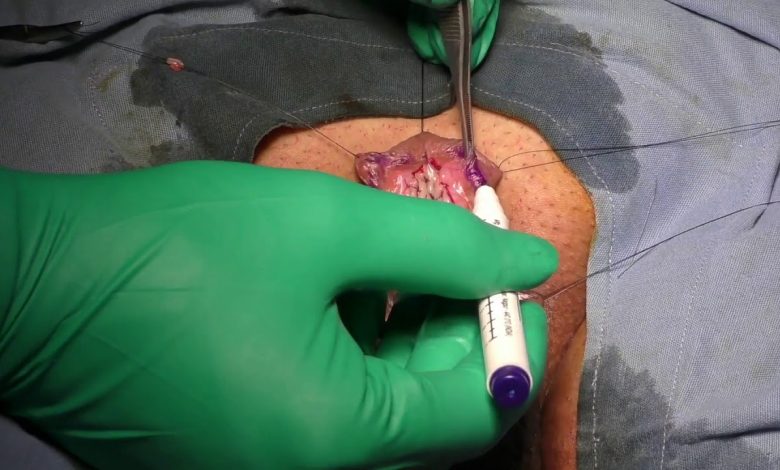
Hypospadias repair is a surgical procedure aimed at correcting the abnormal positioning of the urethral opening. The specific technique used depends on the severity and location of the hypospadias. The procedure is typically performed under general anesthesia to ensure the child’s comfort and safety.
During the surgery, the urologist will create a new urethral opening in the correct position and reconstruct the surrounding tissues to achieve a normal appearance. In some cases, additional procedures may be necessary to correct any associated penile curvature or chordee, a condition in which the penis bends downward.
The success rate of hypospadias repair is high, with most children achieving improved urinary function and a cosmetically pleasing result. However, it is important to note that the outcome can vary depending on the individual case and the surgeon’s expertise.
After the surgery, the child will require a period of recovery, during which they may experience discomfort and require pain medication. The urologist will provide detailed post-operative care instructions to ensure proper healing and minimize the risk of complications.
Choosing the Right Surgeon
Researching Surgeons and Credentials
When it comes to hypospadias repair, choosing the right surgeon is crucial for achieving optimal results. It is important to research potential surgeons and their credentials to ensure they have the necessary expertise in performing this specialized procedure.
Start by checking the surgeon’s qualifications and certifications. They should be board-certified in urology or pediatric urology and have received specialized training in hypospadias repair. Additionally, look for surgeons who are affiliated with reputable medical institutions and have a track record of successful outcomes.
Consider reaching out to professional organizations, such as the American Urological Association, for recommendations or referrals. These organizations can provide a list of urologists who specialize in pediatric urology and have demonstrated expertise in treating hypospadias.
Considering Experience and Expertise
While credentials are important, experience and expertise are equally critical factors to consider when choosing a surgeon for hypospadias repair. Look for surgeons who have a substantial amount of experience in performing this procedure, as it requires a high level of skill and precision.
Ask the surgeon about their surgical volume and success rates specifically related to hypospadias repair. Inquire about any research or advancements they have made in the field and their involvement in professional organizations or conferences.
It is also helpful to request before and after photos of previous patients who have undergone hypospadias repair with the surgeon. This can give you a better idea of their aesthetic results and the level of improvement that can be expected.
Reading Patient Testimonials
Reading patient testimonials can provide valuable insights into the experiences of others who have undergone hypospadias repair with a particular surgeon. Look for testimonials that discuss the surgeon’s professionalism, communication skills, and overall satisfaction with the results.
Online review platforms, social media groups, and support forums can be great resources for finding patient testimonials. Hearing firsthand accounts from individuals who have gone through the procedure can help you make an informed decision and ease any concerns you may have.
Recovery and Aftercare
Post-Surgery Care Instructions
After hypospadias repair, proper post-operative care is essential to promote healing and minimize the risk of complications. The urologist will provide detailed instructions on how to care for the surgical site and manage any discomfort the child may experience.
This typically includes keeping the area clean and dry, avoiding strenuous physical activity, and taking any prescribed pain medication as directed. It is also important to watch for signs of infection, such as increased redness, swelling, or discharge, and notify the urologist if these symptoms occur.
Managing Pain and Discomfort
It is common for children to experience some pain and discomfort after hypospadias repair. The urologist may prescribe pain medication to help manage these symptoms. It is important to follow the prescribed dosage and schedule and notify the healthcare provider if the pain becomes severe or persists.
In addition to medication, applying ice packs to the surgical area can help reduce swelling and provide temporary relief. However, it is essential to follow the urologist’s instructions on when and how to use ice packs to avoid causing any harm to the surgical site.
Monitoring for Complications
While complications after hypospadias repair are rare, it is important to monitor the surgical site for any signs of infection, bleeding, or excessive swelling. If these symptoms occur, it is crucial to contact the urologist immediately.
Follow-up appointments with the urologist will be scheduled to monitor the healing process and address any concerns or questions. It is important to attend these appointments as scheduled and communicate openly with the healthcare provider throughout the recovery period.
Restoring Confidence and Quality of Life
Improving Self-Esteem and Body Image
Hypospadias can have a significant impact on an individual’s self-esteem and body image. The abnormal appearance of the penis may lead to feelings of shame, embarrassment, and low self-confidence.
Hypospadias repair plays a crucial role in improving self-esteem and body image. By correcting the abnormal positioning of the urethral opening and achieving a more cosmetically pleasing result, the procedure can help individuals feel more confident and comfortable in their own skin.
It is important for parents and healthcare providers to provide emotional support and reassurance to individuals undergoing hypospadias repair. Encouraging open communication, addressing any concerns, and emphasizing the normalcy of the condition can help promote a positive body image and enhance self-esteem.
Addressing Sexual Functioning
In addition to the physical appearance of the penis, hypospadias can also affect sexual functioning. The abnormal positioning of the urethral opening may cause difficulties with proper urine flow and potentially impact sexual intercourse in adulthood.
Hypospadias repair aims to restore normal urinary and sexual function. By reconstructing the urethra and addressing any associated penile curvature or chordee, the procedure can improve the individual’s ability to urinate normally and engage in sexual activities without hindrance.
It is important for individuals who have undergone hypospadias repair to have open and honest discussions with their healthcare provider about any concerns or challenges they may face regarding sexual function. In many cases, appropriate counseling and interventions can help address these issues and ensure a fulfilling sex life.
The Role of Psychological Support
Hypospadias repair is not only a physical procedure but also a psychological journey for the individual and their family. It is essential to provide psychological support throughout the entire process to address any emotional challenges that may arise.
Support groups, counseling, and therapy can play a significant role in helping individuals and families cope with the emotional impact of hypospadias. Connecting with others who have gone through similar experiences can provide a sense of community and validation, while professional counseling can provide tools and strategies for managing anxiety, self-esteem issues, or other psychological concerns.
It is important to remember that hypospadias is a common condition and seeking support is a sign of strength. By addressing the emotional aspects of the condition, individuals and their families can navigate the journey with resilience and empowerment.
FAQ
Question: What is hypospadias? – Hypospadias is a congenital condition that affects the male reproductive system, where the urethral opening develops on the underside of the penis.
Question: What causes hypospadias? – The exact cause of hypospadias is unknown, but it is believed to be a combination of genetic and environmental factors, including hormonal imbalances during fetal development and exposure to certain chemicals.
Question: How is hypospadias diagnosed? – Hypospadias is usually detected shortly after birth during routine genitalia examination. If suspected, the child should be referred to a pediatric urologist for a thorough examination.
Question: What is hypospadias repair? – Hypospadias repair is a surgical procedure performed under general anesthesia to correct the abnormal positioning of the urethral opening, aiming to achieve normal urinary function and a cosmetically pleasing result.
Question: How do I choose the right surgeon for hypospadias repair? – When choosing a surgeon, it is important to research their qualifications, certifications, and experience in hypospadias repair. Reading patient testimonials and seeking recommendations from professional organizations can also be helpful.
Question: What is the recovery process like after hypospadias repair? – Proper post-operative care is crucial for healing and minimizing complications. The urologist will provide instructions for caring for the surgical site, managing pain, and monitoring for any signs of infection or complications.
Question: Can hypospadias repair improve self-esteem and body image? – Yes, hypospadias repair can significantly improve self-esteem and body image by correcting the abnormal appearance of the penis and achieving a more cosmetically pleasing result.
Question: Can hypospadias repair address sexual functioning? – Yes, hypospadias repair aims to restore normal urinary and sexual function by reconstructing the urethra and addressing any associated penile curvature. Open and honest discussions with healthcare providers can help address any concerns or challenges regarding sexual function.
Useful Resources:
- https://www.urologyhealth.org/ – Website of the American Urological Association, providing educational resources on urological conditions, including hypospadias.
- https://www.aap.org/ – American Academy of Pediatrics website, offering information and resources for parents on pediatric health, including hypospadias.
- https://www.ncbi.nlm.nih.gov/pubmed – PubMed, a database of scientific articles, where you can find research papers on hypospadias and its treatment.
- https://www.mayoclinic.org/ – Mayo Clinic website, providing comprehensive information on various medical conditions, including hypospadias and its treatment options.
- https://www.hydroassoc.org/ – Hydrocephalus Association website, offering resources and support for individuals and families affected by urological conditions like hypospadias.
- https://www.chop.edu – Children’s Hospital of Philadelphia website, providing detailed information on hypospadias, its diagnosis, and treatment options.
- https://www.uptodate.com/ – UpToDate, an evidence-based clinical resource, offering in-depth articles on various medical conditions, including hypospadias repair.
- https://www.uroweb.org/ – European Association of Urology website, providing educational materials and guidelines for urological conditions, including hypospadias.
- https://www.plasticsurgery.org/ – American Society of Plastic Surgeons website, offering information on reconstructive procedures like hypospadias repair and resources to find qualified surgeons.