Understanding The Importance Of Plasma Donation: The Complete Handbook
The Lifeblood of Healing: Why Plasma Donation Matters
The Science Behind Plasma: What Makes It So Special?
Plasma, a pale-yellow fluid that makes up about 55% of our blood, is a vital component essential for sustaining life. Composed primarily of water, proteins, electrolytes, and waste products, plasma serves as the transport medium for cells and various substances throughout the body. It contains vital proteins such as albumin, immunoglobulins, and clotting factors, which play crucial roles in maintaining blood pressure, fighting infections, and preventing excessive bleeding. The unique composition of plasma allows it to perform functions that are indispensable to health and recovery.
What sets plasma apart from other components of blood is its versatility; its proteins can be extracted and formulated into therapies that treat various conditions. For example, immunoglobulins from plasma are used to bolster immune responses in patients suffering from immune deficiencies, while clotting factors derived from plasma can be life-saving for individuals with hemophilia. As science advances, the utility of plasma continues to expand, making its donation increasingly vital to medical innovation and patient care.
The Role of Plasma in Medical Treatments: Life-Saving Contributions
Plasma donation in Glassboro is not merely a charitable act; it is a critical component of modern medicine that has far-reaching implications for public health. Each year, thousands of patients—ranging from those undergoing surgeries to individuals battling chronic illnesses—rely on plasma-derived therapies for treatment and recovery. Plasma is integral in the production of therapies for conditions like chronic inflammatory diseases, immune disorders, and burns. In addition, with the advent of COVID-19, convalescent plasma therapy emerged as a potential treatment avenue, showcasing the urgent need for robust plasma donation efforts when medical crises arise.
The life-saving contributions of plasma transfusions cannot be overstated. For patients with liver disease, for instance, plasma can help maintain enriched blood volume, which is crucial for organ function. Moreover, trauma victims often require immediate plasma transfusions to stabilize their blood pressure and combat hemorrhage, underscoring the urgent need for local donations. In essence, the act of donating plasma can mean the difference between life and death, making it an invaluable lifeline in health care.
Understanding the Demand: Why Local Donation Centers Are Essential
The demand for plasma continues to escalate, driven by an increasing awareness of its medical applications and an aging population with diverse health needs. The healthcare ecosystem relies on local donation centers to collect, process, and distribute plasma to hospitals and clinics, creating an urgent call to action for community involvement. In Glassboro, where accessibility to care is paramount, a robust local plasma donation program represents an essential resource for both residents and surrounding communities.
As patients increasingly require specialized treatments that depend on plasma, the local centers must educate and encourage community members to donate regularly. Additionally, maintaining a local donation center reduces the logistical challenges related to plasma transport. When plasma collection occurs within the community, it creates a safety net for immediate and urgent medical needs, ensuring that hospitals have timely access to life-saving products. Thus, the role of local donation centers in fostering a culture of giving and health consciousness cannot be understated.
Becoming a Plasma Donor: What to Expect
Your Journey: Step-by-Step Through the Donor Experience
Embarking on your journey as a plasma donor is an admirable choice, encapsulated in an experience that, while straightforward, is immensely impactful. The process begins with finding a local donation center in Glassboro, where trained professionals ensure a safe and comfortable environment for donors. Once you arrive, you’ll be greeted by staff trained to guide you through every step of the donation process.
The first part of the experience typically involves filling out a comprehensive health questionnaire. This document assesses your medical history and potential exposure to infectious diseases to ensure safety for both you and the recipients of plasma. Following this, a staff member will conduct a brief health screening, measuring your blood pressure, temperature, pulse, and hemoglobin levels to confirm your eligibility as a plasma donor.
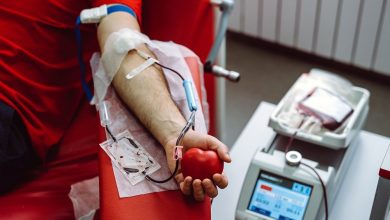
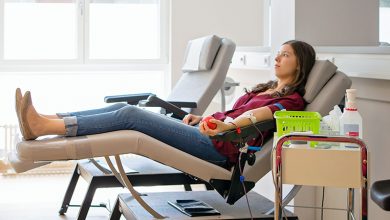
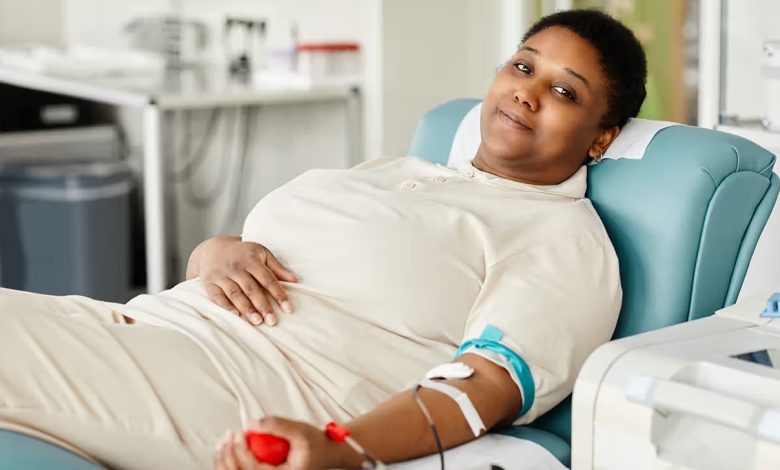
Once cleared, the actual donation process takes place. You’ll be comfortably reclined, and an sterile needle will be inserted into one of your veins, typically in your arm. The donation process itself may last anywhere from 45 minutes to an hour, during which you can relax, read a book, or even catch up on a show—many centers offer entertainment options to help pass the time. After donation, the staff will monitor you briefly before you’re free to leave, often with refreshments to ensure you feel replenished and energized.
Health Requirements: Am I Eligible to Make a Difference?
Before stepping into the world of plasma donation, it’s essential to understand the health requirements and standards that govern eligibility. While the criteria may vary slightly by center, there are generally accepted guidelines put forth by organizations such as the American Association of Blood Banks. Typically, donors must be at least 18 years old, weigh no less than 110 pounds, and meet specific health assessments outlined during the screening process.
Moreover, potential donors must refrain from certain high-risk behaviors, including illicit drug use or engaging in practices that could increase the risk of blood-borne infections. It’s crucial to disclose your complete medical history during the screening, as conditions like certain cancers, infectious diseases (like hepatitis and HIV), or recent surgeries may disqualify you. Yet, many medications and health conditions do not preclude eligibility, so it’s always wise to seek clarification from the staff at the donation center. Ensuring only safe and healthy donations are collected effectively safeguards both donors and recipients, enhancing the integrity of the plasma donation ecosystem.
Debunking Myths: Common Misconceptions About Plasma Donation
With knowledge comes empowerment, and understanding the nuances of plasma donation also involves debunking prevalent myths that may deter potential donors. One of the most common misconceptions is that donating plasma is akin to giving whole blood, causing more fatigue and discomfort. In reality, while plasma donation can cause temporary tingling sensations or slight bruising, the process is closely monitored, ensuring comfort and health throughout.
Another misconception is that individuals who donate plasma cannot do so on a regular basis. Contrary to this belief, many centers encourage donations up to twice a week, as the body replenishes plasma relatively quickly, often within 24 to 48 hours. Furthermore, some fear that their donation might not make a difference, but this couldn’t be further from the truth. Each donation of plasma can be separated into multiple components, meaning a single donation can help save several lives or significantly improve the health of individuals requiring various treatments.
Lastly, some individuals worry that donation centers are not safe or sanitized. However, reputable donation centers adhere to strict safety guidelines and regulations, utilizing sterile equipment and practices to ensure a positive environment for donors. Education is crucial to overcoming these myths, as informed individuals are more likely to step up and contribute to the health of their community through plasma donation.
The Community Impact: How Plasma Donation Changes Lives in Glassboro
Local Heroes: Stories of Recipients and Donors in Our Town
The true essence of plasma donation can be encapsulated through the stories of individuals within the Glassboro community who have directly benefitted from or contributed to this noble cause. One such story features John, a local firefighter who sustained severe injuries during a rescue operation. His rapid recovery hinged on a plasma transfusion that aided in clotting his blood and accelerating healing. With deep gratitude, John now dedicates his time to advocating for plasma donation, illustrating the profound interconnectedness of donor and recipient.
On the flip side is Sarah, a college student who learned about plasma donation in one of her health classes. Influenced by the stories of those who benefited from donated plasma, Sarah decided to donate regularly. Her contributions not only provide life-saving therapies but also empower her peers to get involved, creating a ripple effect that fosters community engagement and altruism. These narratives highlight how plasma donation ties people together, facilitating shared objectives of health, resilience, and giving.
The Ripple Effect: How Your Donation Supports Healthcare Innovation
The impact of plasma donations extends far beyond the immediate needs of patients. When individuals donate plasma, they are effectively contributing to a larger narrative of healthcare innovation, research, and breakthroughs. Plasma-derived products are at the forefront of advancing treatments for a multitude of conditions, ranging from rare genetic disorders to COVID-19 therapies. Each donation fuels research and development efforts aimed at crafting new, innovative solutions to health challenges.
Moreover, enhanced public awareness surrounding the need for plasma has led to increased funding and support for research initiatives, further driving forward the capabilities of modern medicine. Community-driven plasma donation drives are often partnered with local research institutions, and as a result, the donations help bridge the gap between collection centers and research laboratories. This synergistic relationship ultimately cultivates an atmosphere of scientific exploration, pushing the boundaries of what is possible in healthcare.
Building a Culture of Giving: Encouraging Others to Join the Cause
Creating a robust culture of giving within Glassboro requires not only individual commitment but collective effort and outreach initiatives that emphasize the critical importance of plasma donation. Community leaders, healthcare professionals, and local organizations can collaborate to raise awareness and encourage participation. By hosting events dedicated to educating residents about plasma donation and its role in healthcare, communities can foster environments where giving becomes the norm.
Engaging social media platforms to share testimonials from recipients and donors alike also plays a key role in normalizing plasma donation, appealing to the emotional responses of potential contributors. When individuals feel connected to the cause and see the significant differences donations can make in their own neighborhoods, they are more likely to participate. It is vital to nurture this spirit of community and camaraderie and keep passing the torch to future generations, thereby ensuring that lives of all those in need continue to be supported through plasma donations.
Maximizing Your Donation Experience: Tips and Tricks
Preparing to Donate: What to Do Before You Walk In
Preparing for your plasma donation is vital to ensure a successful and pleasant experience. Begin by hydrating adequately in the days leading up to your appointment; aim for at least eight glasses of water a day to ensure that your veins are well-hydrated and easier to access. Being well-hydrated can help reduce discomfort and expedite the donation process.
It’s also advantageous to consume a nutritious meal prior to donating. Aim for a balanced intake with ample protein and iron-rich foods like lean meats, spinach, or beans, which can bolster your hemoglobin levels, thereby contributing to a smoother donation process. Additionally, aim to avoid fatty foods 24 hours before your appointment, as this can affect the quality of your plasma. Lastly, be sure to have your identification readily available as most donation centers require it, ensuring a smooth and efficient check-in process.
Post-Donation Care: How to Recover and Feel Great
Recovery after donating plasma is straightforward, yet it plays a crucial role in ensuring that you feel your best afterward. After your donation, take a few moments in the recovery area to relax and have some refreshment, often provided by the donation center. Eating a snack rich in carbohydrates and drinking fluids can help stabilize your energy levels and replenish what you’ve given.
Be mindful of your body in the hours following donation. It’s normal to experience slight fatigue or lightheadedness, but these symptoms should pass quickly. If you feel unwell, consider resting, lying down, or even elevating your legs to help blood circulation. Importantly, refrain from strenuous physical activities for at least 24 hours to allow your body to recuperate fully. With proper care following your donation, you’ll feel recharged and empowered, ready to give again.
Incentives and Rewards: Getting More from Your Generosity
While the intrinsic motivation to help others is often compelling enough for many donors, several centers offer incentives to amplify the giving experience. These can include gift cards, store discounts, or loyalty programs that allow repeat donors to accrue points redeemable for various rewards. Engaging in donor appreciation events, promotions, or community gatherings can also spice up the donation experience, allowing donors to connect and network with others who share a similar commitment.
Additionally, be sure to inquire about any referral programs where you might be able to earn additional benefits by persuading friends or family to donate as well. By participating in such programs, you not only contribute to saving lives but also foster a culture of giving throughout your community, ensuring that the impact of plasma donation resonates on multiple levels.
FAQ
Question: How often can I donate plasma? – Many centers allow individuals to donate plasma up to twice a week, as plasma replenishes quickly in the body, usually within 24 to 48 hours.
Question: What should I wear when I donate plasma? – It is advisable to wear short sleeves or clothing with sleeves that can be easily rolled up, as the donation is typically done from the arm. Comfortable attire can also enhance your overall experience.
Question: Can I eat before donating plasma? – Yes, it is recommended to eat a nutritious meal prior to your donation, focusing on foods rich in protein and iron to support healthy hemoglobin levels.
Question: What are the long-term benefits of donating plasma? – Regular plasma donation can contribute to community health, support medical research, and promote overall wellbeing by encouraging healthy lifestyle habits among donors.
Question: Are there age restrictions for plasma donors? – Generally, donors must be at least 18 years old to be eligible to donate plasma, although specific requirements can vary by donation center.
Question: How is the safety of the donation process ensured? – Plasma donation centers follow strict safety guidelines, including using sterile equipment, conducting health screenings, and monitoring the entire donation process to protect both donors and recipients.
Question: What happens to my plasma after donation? – After donation, plasma is typically processed and separated into various components, which can then be distributed to hospitals and clinics for therapeutic use in treating patients.
Question: How can I encourage others to donate plasma? – Sharing your donation experience, providing information about the benefits of plasma donation, and participating in community events can effectively encourage friends, family, and peers to donate as well.
Useful Resources
- American Red Cross Blood Services
- Versiti Blood Centers
- American Society for Apheresis
- Canadian Blood Services
- AABB
- American Blood Center’s BBB
- Healthline – Plasma Donation Overview
- Plasma Resources