Transform Your Backyard With Expert Outdoor Kitchen Construction Tips
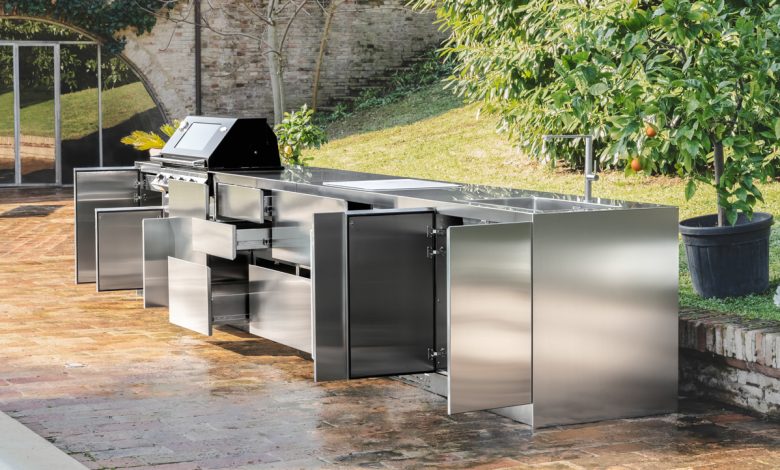
Creating the Perfect Outdoor Culinary Space: Design Essentials
Understanding Your Space: Layout Dynamics
Designing an outdoor kitchen begins with a comprehensive understanding of the available space. Every culinary area needs to be a well-thought-out arrangement that blends functionality with aesthetics. Begin by measuring your backyard, taking into account existing features such as trees, pools, patios, and pathways. A thorough analysis includes recognizing the sun’s path over the course of the day, assessing how shadows cast by structures or flora might affect the usability of your outdoor kitchen.
Consider the kitchen layout itself—popular configurations for expert outdoor kitchen construction include the L-shape, U-shape, and galley styles. An L-shaped layout offers a natural separation between cooking and dining areas, promoting efficient movement between the two. A U-shaped configuration provides ample surface area for cooking and prepping, while a galley design effectively utilizes narrow spaces, ideal for smaller backyards. Whatever design you choose, ensure it harmonizes with the overall landscape and allows sufficient room for appliance placements and movement, enabling everyone from novice cooks to seasoned chefs to engage comfortably in the culinary process.
Functional Zones: Planning for Cooking, Dining, and Relaxation
Defining functional zones within your outdoor kitchen is crucial for ensuring a seamless cooking and social experience. Start with the cooking zone, where the grill, cooktop, and food preparation surfaces will demand the lion’s share of your attention. Ensure that this area includes ample counter space for prepping ingredients and plating meals, as well as easy access to cooking utensils and pots. Adjacent to this should be the dining zone, furnished with a spacious table and comfortable seating that invites family and guests to linger long after the meal is prepared.
Don’t forget about a relaxation zone, where seating arrangements allow for socializing and unwinding. Including cushioned chairs or benches, perhaps around a fire pit or with elegant outdoor heating options, can transform your patio into an inviting extension of your home. When creating these zones, think not only about convenience and comfort but also about how they will encourage social interaction, fostering an environment where cooking becomes a communal celebration rather than a solitary activity.
Flow and Accessibility: Ensuring Comfort for Guests and Chefs
Accessibility and flow are paramount in designing an outdoor kitchen that fosters ease of use and comfort for both chefs and guests. Visualize the kitchen as a holistic entity, where movement between stations is fluid, allowing multiple individuals to navigate the space simultaneously. Walkways should be wide enough to accommodate foot traffic without disruption, encouraging a natural path from food prep to cooking and finally to serving.
Consider the layout’s relationship to indoor spaces. A seamless transition between the indoor kitchen and the outdoor area can enhance the cooking experience, allowing for the easy transfer of food and supplies. Ensure that entry points are thoughtfully placed, ideally near major appliances and work areas, to enhance efficiency. Furthermore, think about incorporating features such as pass-through windows, where items can be handed directly to loved ones lounging on the patio, elevating both the culinary experience and the overall enjoyment of dining al fresco.
Choosing Quality Materials: The Foundation of Your Outdoor Kitchen
Weatherproof Wonders: Selecting Durable Surfaces
The durability of your outdoor kitchen largely depends on the materials you choose. Given the exposure to the elements, selecting weather-resistant, robust materials is indispensable. Stainless steel is often considered the gold standard for appliances, as it can endure temperature fluctuations, moisture, and corrosion. However, not all stainless steel is created equal—21 gauge is the recommended thickness for outdoor appliances, ensuring longevity and sturdiness.
For countertops, consider materials such as granite or quartzite. Both provide a stunning visual appeal, along with exceptional resilience against the elements. Concrete is another increasingly popular choice, which can be custom molded to suit any design preference. Additionally, high-pressure laminate surfaces are gaining traction for their vast color variations and heat resistance, while still being more budget-friendly. Whichever surfaces you choose, prioritize not just beauty, but resilience to withstand the rigors of outdoor conditions without compromising performance.
Eco-Friendly Options: Sustainable Materials for the Conscious Chef
As more homeowners become mindful of environmental impacts, the demand for sustainable kitchen materials is on the rise. From reclaimed wood for cabinetry and countertops to low-VOC paints and sealants, sustainable options can significantly reduce your kitchen’s carbon footprint. Bamboo, for instance, is a rapidly renewable resource that’s not only aesthetically pleasing but also incredibly hard and durable, making it excellent for outdoor use.
Consider outfitting your cook space with compost bins and recycling stations to minimize waste and practice responsible cooking habits. Integrated garden areas can also promote sustainable practices by allowing you to grow fresh herbs and vegetables right outside your kitchen, encouraging a farm-to-table experience that aligns with eco-conscious principles. By choosing materials and features that are sustainable, you not only create an appealing outdoor kitchen but also contribute positively to the environment.
Style Meets Substance: Aesthetic Choices that Inspire Cooking
A kitchen is not merely a functional space; it is an expression of personal style and passion for culinary art. Selecting the right materials allows for a marriage of form and function that enhances the appeal of your outdoor kitchen. Opt for tiles that resonate with your design concept—ceramic and porcelain tiles provide a touch of elegance while being highly resistant to stains and easy to clean. Natural stones such as slate, onyx, or travertine can also add luxurious flair, allowing for individuality in your design.
Furthermore, incorporating finishes and fixtures that reflect your style preferences can set the tone for the entire outdoor experience. wrought iron, brushed nickel, or even rustic bronze, can elevate functional hardware to works of art, from cabinet handles to grill components. By harmonizing these elements with complementary colors and finishes, you can create a cohesive visual aesthetic in your outdoor culinary haven that not only inspires you during meal prep but also impresses your guests.
Ultimate Appliances for the Outdoor Chef: Must-Have Gear
Grills Galore: Gas vs. Charcoal vs. Electric – What’s Your Palette?
The heart of any outdoor kitchen is the grill, and selecting the right type can significantly affect your cooking experience. Gas grills offer convenience and quick heating, making them ideal for busy cooks looking to whip up meals in a snap. They provide precise temperature control, allowing for searing, roasting, and everything in between, and come with added features such as side burners for sauce preparation.
Conversely, charcoal grills embrace the tradition of grilling, allowing for a more hands-on, artful cooking process. Charcoal imparts a unique smokiness and flavor that many enthusiasts cherish. For those desiring both convenience and flavor, hybrid grills that combine gas with charcoal capabilities offer versatility for varying culinary adventures. Electric grills are also on the rise, appealing to those in urban spaces where traditional grilling might not be feasible. These appliances can emit lower smoke levels and provide consistent temperatures, catering to a variety of culinary preferences.
Refrigeration and Sinks: Keeping it Fresh and Functional
In an outdoor kitchen, refrigeration options are pivotal for maintaining freshness and ensuring convenience during meal prep. A dedicated outdoor refrigerator allows for easy access to drinks, meats, and produce without the need to shuffle indoors. Look for weather-resistant models that cater specifically to outdoor use, as these are designed to withstand fluctuations in temperature and humidity.
Including a sink in your outdoor kitchen design brings functionality to the forefront. Not only does it empower cooks to wash hands, utensils, and produce without dashing indoors, but it also streamlines the cooking process. Consider installing a sink with a pull-down sprayer or faucet to provide versatility, catering to various tasks from washing to cleaning up afterwards. Pairing these elements with clever storage solutions for utensils and cleaning supplies ensures an organized, smooth flow conducive to the demands of cooking in a lively outdoor environment.
Smart Tech Integration: Elevating Your BBQ Experience
The integration of smart technology into outdoor kitchens is revolutionizing the way we cook. Imagine being able to monitor cooking temperatures from your smartphone or adjusting grill settings with the touch of a button. Smart grills come equipped with Wi-Fi or Bluetooth connectivity, enabling you to control cooking processes remotely and receive alerts when your food reaches the desired temperature.
Moreover, outdoor speakers, built-in televisions, and smart lighting systems can transform your culinary space into a state-of-the-art entertainment hub. Consider motion-sensing lighting that activates as you approach the prep area and outdoor speakers that connect to your music library. By incorporating these modern conveniences, you can elevate the outdoor cooking experience, blending the boundaries between a kitchen and an entertainment venue, thereby enriching your gatherings with family and friends.
Finishing Touches: Designing for Ambiance and Utility
Lighting the Way: Creating Takes Beyond Sunset
Lighting plays a fundamental role in designing an outdoor kitchen. Proper illumination not only enhances safety and functionality during evening cooking but also sets the ambiance for dining and socializing. Ambient lighting creates a warm, inviting atmosphere—consider incorporating string lights, lanterns, or even chandeliers if space permits, allowing for a fairy-tale effect that can enchant spaces during nighttime gatherings.
Task lighting is equally critical in ensuring cooks can see their work area without straining. Under-seat lighting in dining areas and focused lighting over prep stations or grills can help enhance visibility while preparing meals. Dimmable lighting in outdoor kitchens gives you flexibility in creating the right aesthetic from high-energy cooking sessions to cozy, intimate meals under the stars.
Landscaping: Integrating Nature for Aesthetic Pleasures
Landscaping around your outdoor kitchen can significantly enhance its overall visual appeal. Integrating native plants and flowers provides a natural beauty that softens hardscape elements, creating a harmonious connection between cooking and nature. Consider planting fragrant herbs or edible flowers for practical gardening that can augment your culinary skills while adding a sensory dimension to your outdoor kitchen environment.
Moreover, incorporating features like stone paths, garden beds, or trellises can add depth and personality to your outdoor culinary space. Vertical gardens or green walls can evoke a sense of freshness while maximizing space, particularly beneficial for compact areas. Additionally, the sound of water can create a soothing atmosphere, so consider adding a small fountain or pond. These elements converge to create a welcoming ambiance that celebrates cooking and dining amid nature.
Entertainment Features: Outdoor Cooking Meets Socializing
An outdoor kitchen is not just about cooking; it’s fundamentally a space for socializing and entertainment. Designing with leisure in mind is essential—furnishing ample seating, adding outdoor area rugs to define zones, or installing a bar area with counter seating can significantly enhance gathering experiences. This arrangement encourages guests to engage with one another without feeling confined, allowing for an overall vibrant environment.
Consider features such as outdoor games, fire pits, or projection screens for movie nights, tailoring the space for various entertainment needs beyond cooking. Configuring a dining table for larger gatherings or creating intimate nooks for smaller interactions ensures that the outdoor kitchen serves as a multifunctional hub, engaging guests in diverse ways. By thoughtfully integrating entertainment elements, you can foster a lifestyle that celebrates outdoor living, culinary passion, and enduring social connections.
In conclusion, creating an outdoor kitchen is a rewarding endeavor that enhances the functionality and beauty of your backyard. With meticulous planning, quality materials, and thoughtful design, your outdoor culinary space can become a sanctuary for cooking, socializing, and enjoying nature, ultimately transforming how you experience cooking al fresco.
FAQ
Question: How do I determine the best layout for my outdoor kitchen? – Assess the available space, existing features, and personal cooking habits to choose a layout that promotes efficient movement and functionality.
Question: What are the key benefits of incorporating sustainable materials in my outdoor kitchen? – Sustainable materials help reduce environmental impact, often provide durability and aesthetic appeal, and can be part of an eco-friendly kitchen design that encourages responsible gardening and cooking practices.
Question: What types of appliances should I prioritize for my outdoor kitchen? – Essential appliances include a grill, outdoor refrigeration, and sinks, as these enhance cooking efficiency, food storage, and meal prep convenience.
Question: How can I enhance the ambiance of my outdoor kitchen? – Integrate diverse lighting options, select stylish materials, and include decorative elements such as plants and artwork to create a warm, inviting atmosphere for cooking and socializing.
Question: What considerations should I have for outdoor cooking technology? – Look for smart technology that allows for remote monitoring of cooking processes, adjusting grill settings, and integrating audio-visual entertainment to elevate your cooking experience.
Question: How can I make my outdoor kitchen functional for social gatherings? – Include varied seating options, a bar area, and entertainment features such as games or outdoor screens that allow guests to engage and enjoy the space.
Question: What types of lighting are best for an outdoor kitchen? – A combination of ambient, task, and accent lighting is ideal to ensure safety during cooking and create a pleasant atmosphere for dining and gatherings.
Question: How important is landscaping around my outdoor kitchen? – Landscaping enhances the visual appeal, creates a natural connection to the environment, and can include elements like herbs and flowers that support your culinary activities while enriching the atmosphere.
Useful Resources
- University of Maryland Extension
- org
- Environmental Protection Agency (EPA)
- USDA National Agricultural Statistics Service
- Royal Institute of British Architects (RIBA)
- Houzz
- Natural Landscape Association
- Green Building Advisor